
Most garage door failures do not happen out of nowhere. They send signals sometimes for weeks or even months before something actually breaks. The problem is that most homeowners do not know what to look for, so those signals get dismissed as “just how it sounds” or “it still works, so it is probably fine.”
It is not fine. Those small signs are your door telling you something is wearing out, slipping out of alignment, or quietly putting stress on the rest of the system.
Here are the key warning signs that indicate your garage door needs garage door repair right now and what each one is likely signaling before it becomes a bigger, more expensive problem.
The Door Is Making Grinding or Rattling Noises
A garage door should open and close with a consistent, relatively quiet sound. Grinding, rattling, scraping, or banging noises are not normal, and they are almost always a sign that something is worn, loose, or misaligned.
What different noises usually mean:
- Grinding worn or dry rollers dragging against the track
- Rattling loose hardware, such as bolts, hinges, or brackets, vibrating during operation
- Scraping the door panel, rubbing against the frame, or a bent track
- Banging a loose torsion spring or a cable that has slipped off the drum
What to do:
- Check visible hardware for anything that looks loose or shifted
- Look at the rollers for cracking or flat spots
- Listen carefully to identify which part of the door the sound is coming from
- Book a service visit. Noise is the earliest and easiest warning sign to act on
Why it matters: Ignoring abnormal noise is how a service visit turns into a multi-part repair. The friction causing the sound is also causing damage every time the door moves.
For a full picture of what that costs, read How Much Does Garage Door Repair Cost?
The Door Is Moving Slower Than Usual
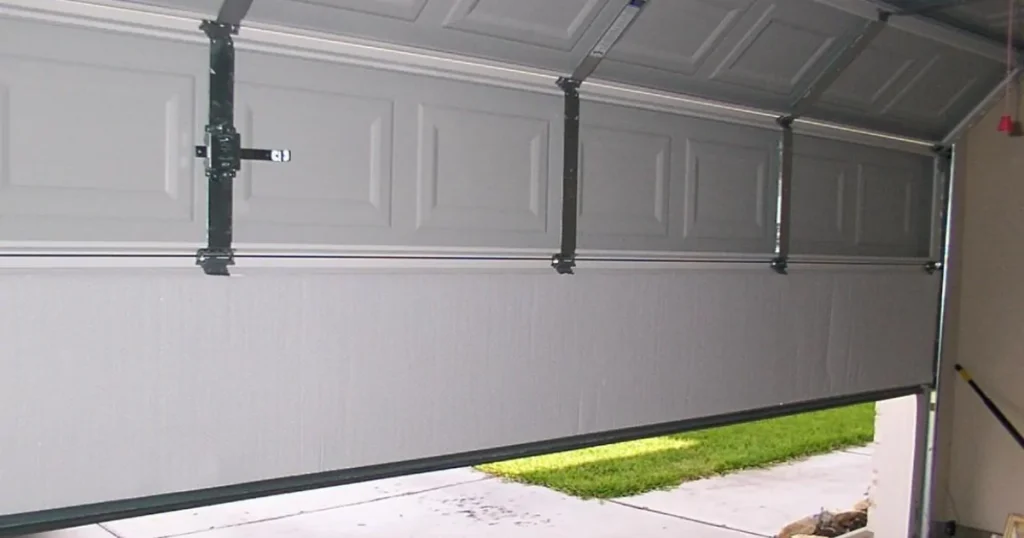
You open and close your garage door multiple times a day. When it starts taking noticeably longer to complete a cycle, something in the system is working against it. Slow operation is a sign of resistance, and resistance means wear.
Common causes of a slow garage door:
- Spring tension is dropping as the springs approach the end of their life
- Rollers are dragging due to wear or a lack of lubrication
- The opener motor is struggling to move a door that is out of balance
- Track debris or a minor misalignment is creating friction
What to check:
- Disconnect the opener and try lifting the door manually. It should feel light and easy
- If it feels heavy or stiff, the garage door springs are losing tension
- If it feels fine manually but slow with the opener, the motor may be struggling
Why it matters: A slow door is a door that is making its opener work harder than it should. The more cycles the motor overworks, the shorter the opener’s lifespan, and opener replacement is one of the higher costs on any repair visit.
The Door Reverses Before Fully Closing
If your garage door starts closing and then suddenly reverses back up before touching the ground, your first instinct might be to blame the remote or the sensors. In most cases, you would be right about the sensors, but not always.
Reasons a door reverses before closing:
- Photo-eye sensors are dirty, misaligned, or blocked by sunlight
- Something is physically in the sensor’s line of sight
- The close-force setting on the opener is set too sensitively
- The door is genuinely hitting resistance, a track issue, or a floor obstruction
What to check first:
- Look at both sensors near the base of the tracks; each should have a solid light, not blinking
- Clean the sensor lenses with a dry cloth
- Check that both sensors are pointing directly at each other
- Remove any object that may be blocking the beam path
What to do if the sensor fix does not work:
- Do not keep forcing the door closed manually
- Call a technician for persistent reversal after sensor checks usually points to a mechanical issue that needs a hands-on inspection
Common issues like misaligned sensors, worn rollers, or a malfunctioning opener are frequent reasons why a garage door won’t close or may reverse unexpectedly before touching the ground.
The Door Is Sagging or Uneven
Stand outside and look at your closed garage door. The bottom edge should sit flush and level with the ground across its full width. If one side sits lower than the other, or if the door visibly sags in the middle, something is off with the balance.
What causes an uneven or sagging door?
- One spring has lost tension or broken, while the other is still intact
- A cable on one side has frayed or slipped off the drum
- A panel has been damaged and is pulling the door frame out of square
- The door has not been balanced in years and has drifted gradually
Why this is more urgent than it looks:
- An uneven door puts asymmetric stress on cables, rollers, and the opener
- It accelerates wear on the side carrying more load
- If a spring or cable fully fails on one side, the door can drop suddenly
What to do:
- Do the balance test, disconnect the opener, lift to waist height, let go
- A balanced door holds position; an uneven one will drift to one side or drop
- If it fails the test, stop using the opener until a technician has inspected it
The Door Is Shaking or Vibrating During Operation
Some vibration is normal, but excessive shaking that you can feel from across the garage is a sign that something in the mechanical system is off. Left unchecked, vibration is one of the fastest ways to loosen hardware and accelerate wear across multiple components at once.
Common causes of excessive vibration:
- Worn or unlubricated rollers bouncing in the track
- Loose bolts or hinges that are no longer holding parts firmly in place
- A bent or warped track section that the rollers are jumping over
- An opener that is vibrating because its mounting hardware has come loose
What to check:
- Run your hand along the track while the door is stationary, feel for dents or bends
- Look at the opener mounting bracket on the ceiling, check for loose bolts
- Inspect hinges along the door panels for any that look cracked or pulled away from the panel
Why it matters: Vibration shakes loose everything it touches. A door that shakes heavily on every cycle will gradually work bolts, hinges, and brackets loose, turning a simple lubrication job into a hardware replacement visit.
The Door Takes Multiple Attempts to Open or Close
Your garage door should respond the first time, every time. If you find yourself pressing the remote two or three times before the door responds, or if it stops mid-cycle and needs to be restarted, you have an intermittent fault somewhere in the system.
Possible causes of inconsistent operation:
- The remote battery is weak, or the remote frequency is being interfered with
- The wall button wiring has a loose connection
- The logic board in the opener is failing
- The motor is overheating from working too hard on a poorly balanced door
- Safety sensors are triggering intermittently due to sunlight or slight misalignment
How to narrow it down:
- Replace the remote battery first; it is the simplest and cheapest check
- Test using the wall button only if that works consistently; the issue is with the remote
- If neither works reliably, the opener’s logic board or wiring needs professional inspection
Why it matters: Intermittent failures tend to become permanent failures. A door that is unreliable two out of ten times will eventually be unreliable ten out of ten times, usually at the most inconvenient moment.
Visible Wear on Springs, Cables, or Rollers
Sometimes the warning sign is not a sound or a behavior; it is something you can see. Springs, cables, and rollers all show physical signs of wear before they fail. Knowing what to look for means you can catch a problem early and schedule garage door spring repair or garage door cable repair before it becomes an emergency.
Visible signs to watch for on springs:
- A visible gap in the spring coil, the spring has already broken
- Surface rust or flaking on the spring coil
- The spring looks stretched or distorted compared to the other side
Visible signs to watch for on cables:
- Individual strands of the cable are fraying or unraveling
- The cable looks slack or is sitting off the drum
- Rust or discoloration along the cable length
Visible signs to watch for on rollers:
- Cracks or chips in the nylon wheel
- The roller is wobbling instead of spinning cleanly
- Metal rollers showing flat spots or surface corrosion
What to do: If you spot any of these during a visual check, do not wait for the part to fail completely. Schedule a service visit before it takes another component down with it.
Not sure what you are looking at or whether it is serious? Read Why Is My Garage Door Repair Bill So High? to understand how visible wear quietly leads to higher costs.
Garage door inspection and maintenance checklist highlights the importance of regular visual checks and safety sensor tests to catch early signs of wear before they become costly repairs.
The Door Is Not Sealing Properly at the Bottom
Your garage door’s bottom seal is the last line of defense against water, pests, dust, and drafts. When it starts failing, you will usually notice the signs inside the garage before you notice the seal itself.
Signs the bottom seal is failing:
- Daylight is visible along the bottom edge when the door is fully closed
- Water is pooling inside the garage after rain
- Dust, leaves, or small debris are collecting just inside the door
- You notice an increase in insects or pests getting into the garage
- The garage feels noticeably hotter in summer, and a failing seal reduces insulation
What to check:
- Close the door fully and look at the bottom edge from inside in daylight
- Run your hand along the bottom. A good seal should sit flush with the floor across the full width
- Check for cracking, flattening, or sections that have pulled away from the door panel
Why San Diego homeowners should pay attention: In San Diego, dry and windy conditions push fine debris under any gap in the seal. A compromised seal also makes it harder to keep the garage cool during warm months, which matters when a garage is used as a workspace or storage area.
The Door Looks or Feels Different Than It Used To
This one is easy to dismiss, but trust your instincts. You use this door every day. If something feels heavier, slower, louder, or just different than it did six months ago, that change is worth paying attention to.
Subtle changes that often signal a developing problem:
- The door feels heavier when you lift it manually
- The opener sounds more strained than it used to
- The door hesitates slightly at the top of its travel before coming back down
- The remote range seems shorter; you have to be closer for it to respond
- New sounds appear that were not there before, such as clicks, pops, or low hums
What to do:
- Do not rationalize changes away. “It still works” is not the same as “it is fine.”
- Walk through a quick visual check of springs, cables, rollers, and sensors
- If you cannot identify the source of the change, book a service visit
Why this matters: The gap between “something feels different” and “the door stopped working” can be days or months. Catching it early almost always means a smaller repair and a lower bill.
If, after reading through these signs, you are wondering whether your door is worth repairing at all, Repair or Replace Your Garage Door? Here’s When will help you make that decision with confidence.
Do Not Wait Until It Stops Working
The signs on this list are your door asking for help before things get serious. Most of them are quick, affordable fixes when caught early, and all of them become more expensive the longer they are ignored.
If you are in the San Diego area and want an honest assessment of what your door actually needs, Bradbury Garage Doors is the team to call. Their technicians know what to look for, explain what they find, and fix it right the first time. Contact us today or give us a call today. Do not wait for a warning sign to become an emergency.
Frequently Asked Questions
My garage door works fine, but it makes a loud bang sometimes. Should I be worried?
Yes. A loud bang from a garage door is almost always a torsion spring snapping. If it happened once and the door still works, you may have a two-spring system where one spring is still intact. Do not continue using the door; operating it with one broken spring puts dangerous stress on the opener and cables. Call a technician right away.
Can weather in San Diego affect how my garage door operates?
Absolutely. Temperature shifts cause metal components to expand and contract, which can affect spring tension and cable tightness. High humidity from coastal air accelerates corrosion on springs and cables. Dry, dusty conditions common in parts of San Diego can also clog rollers and increase friction over time.
How often should I do a visual inspection of my garage door?
Once a month is a reasonable habit for most homeowners. It takes about two minutes to check the springs for gaps or rust, look at the cables for fraying, watch the door through one full cycle, and listen for any new sounds. Catching something visually is always easier and cheaper than waiting for a mechanical failure.
Is it safe to use a garage door that is sagging on one side?
No. A sagging door is a sign of a failed or failing spring or cable on that side. Using the door in that condition puts uneven stress on the entire system and creates a genuine safety risk. A door that drops suddenly can cause serious injury or property damage. Stop using it and call a technician before operating it again.
Why does my garage door work fine in the morning but struggle in the afternoon?
This is usually a temperature-related issue. Metal components expand in heat, which can cause friction that does not exist when the door is cooler in the morning. It can also indicate that spring tension is marginal enough to work when everything is contracted, but not enough once the heat causes components to shift. Either way, it is worth having a technician check the spring tension and lubrication.
My garage door opens by itself sometimes. What is causing that?
This is typically a remote frequency issue; a neighbor's remote or another device is sending a signal on the same frequency as your opener. It can also be caused by a stuck button on your remote or wall control, or, in older openers, a failing logic board. If it happens repeatedly, reprogram your remote codes first. If it continues, have the opener inspected.
How do I test whether my garage door sensors are working properly?
Open the door fully, then wave an object like a broom handle in front of one of the sensors while the door is closing. The door should immediately stop and reverse. If it does not, your sensors are not functioning correctly, and the door is not safe to operate until they are fixed. This is a basic safety test worth doing every few months.
What is the difference between a garage door that needs a repair and one that just needs lubrication?
If the issue is noise or slight stiffness and the door is still balanced, operating smoothly, and responding correctly, lubrication may be all it needs. If the door is slow, uneven, making new sounds, reversing unexpectedly, or showing visible wear on any components, that goes beyond lubrication and needs a professional inspection.
At what point should I stop doing visual checks myself and just call a technician?
The moment you are unsure about what you are seeing. A visual check is a great early warning tool, but diagnosing the root cause of a garage door problem, especially anything involving springs, cables, or the opener, requires training and the right tools. If your check reveals something that looks wrong or you cannot identify the source of a problem, a professional visit is always the safer and smarter call.