
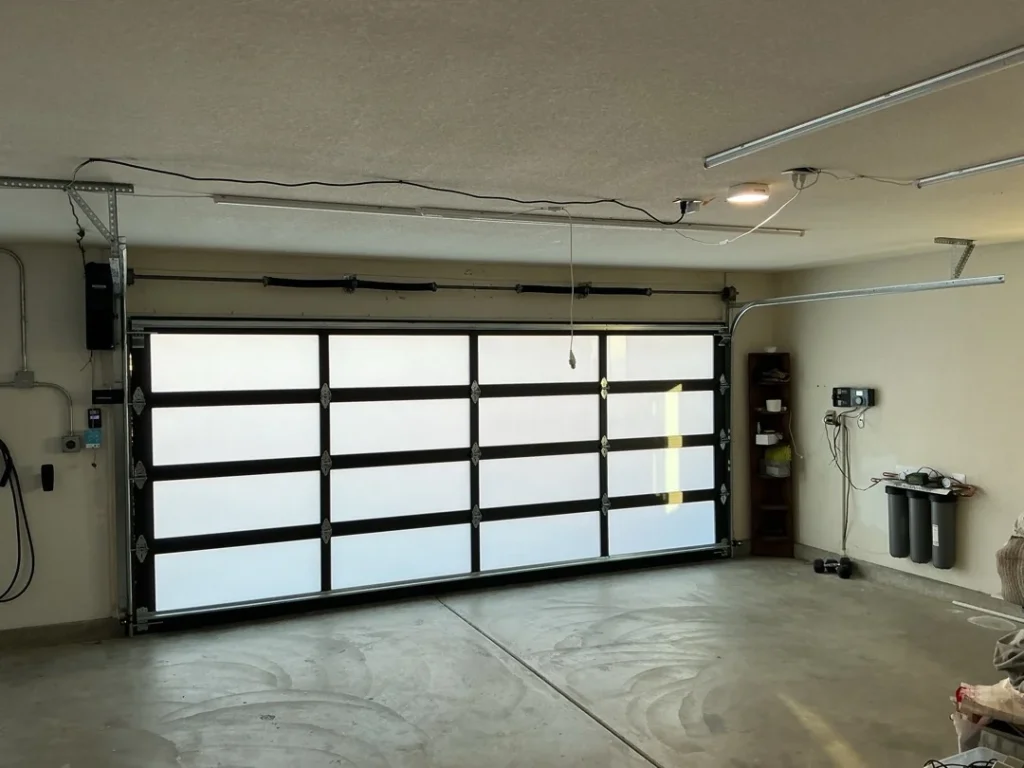
Your garage door is probably the hardest-working part of your home – and the most ignored. Most people don’t think twice about it until the day it stops working. A few simple maintenance tasks done regularly are all it takes to keep things running smoothly and safely.
We got an emergency call from a customer who was locked out of their garage on their way to work. After several unanswered calls to the remote service line, someone finally picked up and got the door open at 7:30 AM – so by the time we arrived, the situation was handled.
When we inspected the door, we found the chain and lift wires had been hanging loose from the opener unit for three months. Had that simple issue been caught and fixed sooner, the whole emergency call – and the bill that came with it – could have been avoided entirely.
The Small Things That Don’t Stay Small
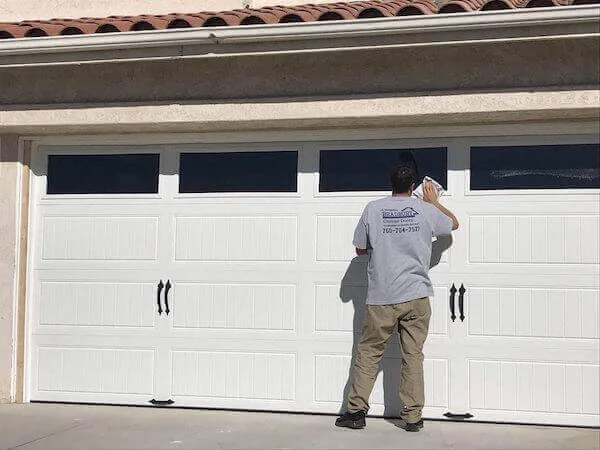
Garage doors are complicated systems with many parts in motion. Many of the parts have a lifespan and provide warning signs before they fail such as the springs, cables, rollers, hinges, and bottom weather seal. The door opener chain or belt can also have a limited lifespan.
This can go on to deteriorate to the point where the door becomes very noisy, the springs and associated parts begin to show signs of wear and eventually fail prematurely, panels may become distorted or damaged, or even operate slowly in response to the activation switches.
Most people are unaware of the degree of deterioration that occurs as these problems become second nature while the door continues to operate as normal.
By the time a gate opener fails, one stressful event can have compromised other critical parts. The deteriorating roller bearing can continue to cause abnormal stress on the chain wrap, safety sensor, or sliding gate track. The sum of these costs can be $400 or more when a simple annual maintenance visit would have cost $75 to prevent these repairs.
San Diego’s Climate Plays a Role
People usually don’t connect the weather to a failing garage door, but they should. San Diego might not have brutal winters, but that doesn’t mean your hardware is off the hook. If you live near the coast, like Ocean Beach, the air is loaded with salt and moisture year-round, and that combination is quietly brutal on metal.
Bars, tubes, wires, springs, and cables are all vulnerable – and the damage doesn’t always show itself right away. Your hinges might look completely fine on the outside, right up until the moment you try to use them and they seize up without warning. Weather-related corrosion is easy to overlook, but it’s one of the most common reasons garage doors fail.
A garage door is one of the biggest sources of air infiltration into a home. Because the weather seal at the bottom takes such a beating (especially in hot, sunny areas with large diurnal temperature swings like San Diego), it typically needs to be replaced periodically.
Where Rental Properties Add Another Layer
For non-residential property owners and managers, such as those who own investment properties or rent out homes, the maintenance needs of garage door parts become even more complex. Tenants are generally not looking into the inner workings of your door until something breaks. However, by being proactive, property managers can prevent many of these breakdowns and save their owners money in the long run.
Companies like Priority One Property Management, approach this by offering a preventative maintenance program. By fixing minor issues before they become major problems, we can prevent many of the after-hours calls for repair.
What a Basic Maintenance Check Actually Covers
The garage door tune up (offered by a technician) includes lubricating all moving parts (rollers, pulleys, springs, and hinge pins) and checking active spring length. It also includes inspecting for damaged or worn cables, frayed condition, and proper auto-reverse safety function. San Diego homeowners should have their garage door (s) professionally inspected at a minimum annually to prevent injury and reduce maintenance costs.
Roller blinds are one of the easier parts of your garage door to maintain. Every few months, give the rollers and hinges a good lubrication – we recommend white lithium grease. It’s non-sticky, long-lasting, and gets the job done without attracting dust and debris like some other lubricants do.
One thing worth noting: WD-40 is not your friend here. Despite its reputation as a go-to lubricant, it actually dries surfaces out and strips lubrication from springs and other moving parts, which can cause them to seize up over time
The Real Cost Comparison
San Diego service calls on the weekend can cost as much as $300 + parts before we even show up. Replacing a broken torsion spring can cost $200-$350 + parts. But with our Priority Maintenance Program, you can have a garage door repairman show up on the weekend to fix a problem for an annual fee of $80-$120 per season.
Frequently Asked Questions
What are the early warning signs that my garage door needs maintenance?
Unusual noise, slow response to controls, or visible wear on cables and hinges are the most common indicators.
Is San Diego's coastal climate really a threat to my garage door?
Yes. Salt air and moisture near coastal areas like Ocean Beach accelerate corrosion on metal components, often without visible warning signs.
What lubricant should I use on my garage door?
White lithium grease is ideal. It's non-sticky, long-lasting, and won't attract dust and debris like other lubricants.
Can I use WD-40 on my garage door parts?
No. WD-40 strips lubrication from springs and moving parts over time, causing them to seize up rather than function smoothly.
Is preventive maintenance really cheaper than emergency repairs?
Significantly. A single emergency repair can cost several times more than a routine annual maintenance visit, especially when multiple parts are affected.
What does a standard garage door tune-up include?
A technician will lubricate all moving parts, inspect cables and springs, check the auto-reverse safety function, and assess overall wear.
How does preventive maintenance benefit rental property owners?
It reduces after-hours emergency calls, protects the owner's investment, and prevents costly repairs caused by issues tenants wouldn't typically report.
How long do garage door springs typically last?
Most torsion springs are rated for around 10,000 cycles. Without proper maintenance, wear and corrosion can shorten that lifespan significantly.
What happens if I ignore minor garage door issues?
Small problems compound quickly. A loose chain or worn roller can place abnormal stress on surrounding components, turning a minor fix into a major and avoidable repair.