
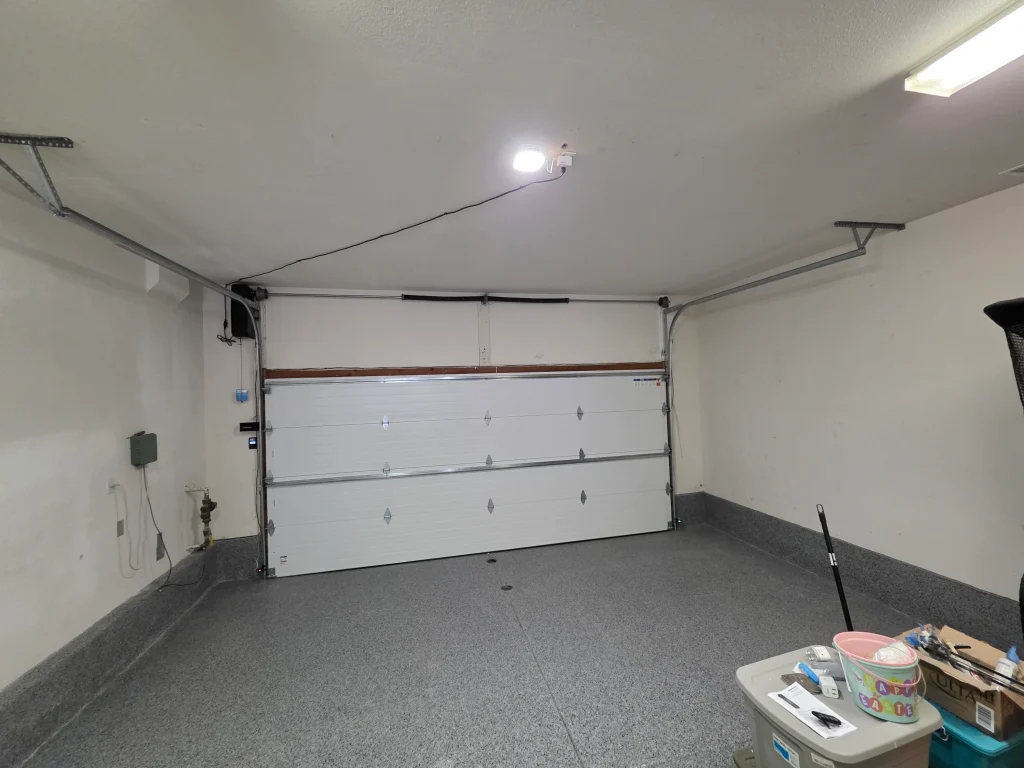
Summer in San Diego is something most families look forward to. School is out, the weather is warm, and kids are finally home. But one part of the house takes a beating every day: the garage door. With constant use for bikes, scooters, and sports gear, the system experiences extra strain, and without proper garage door maintenance, small issues can quickly become costly repairs.
That’s why regular garage door maintenance is essential during the summer months. Simple upkeep, like checking springs, tightening hardware, testing balance, lubricating moving parts, and inspecting safety sensors, can prevent breakdowns. A quick maintenance routine helps identify worn cables or misaligned tracks before they become hazards. Keeping up with garage door maintenance also improves safety, reduces repair costs, and extends the life of your system. Every homeowner should make it a priority before problems appear, ensuring smooth operation throughout the busy summer season for families everywhere.
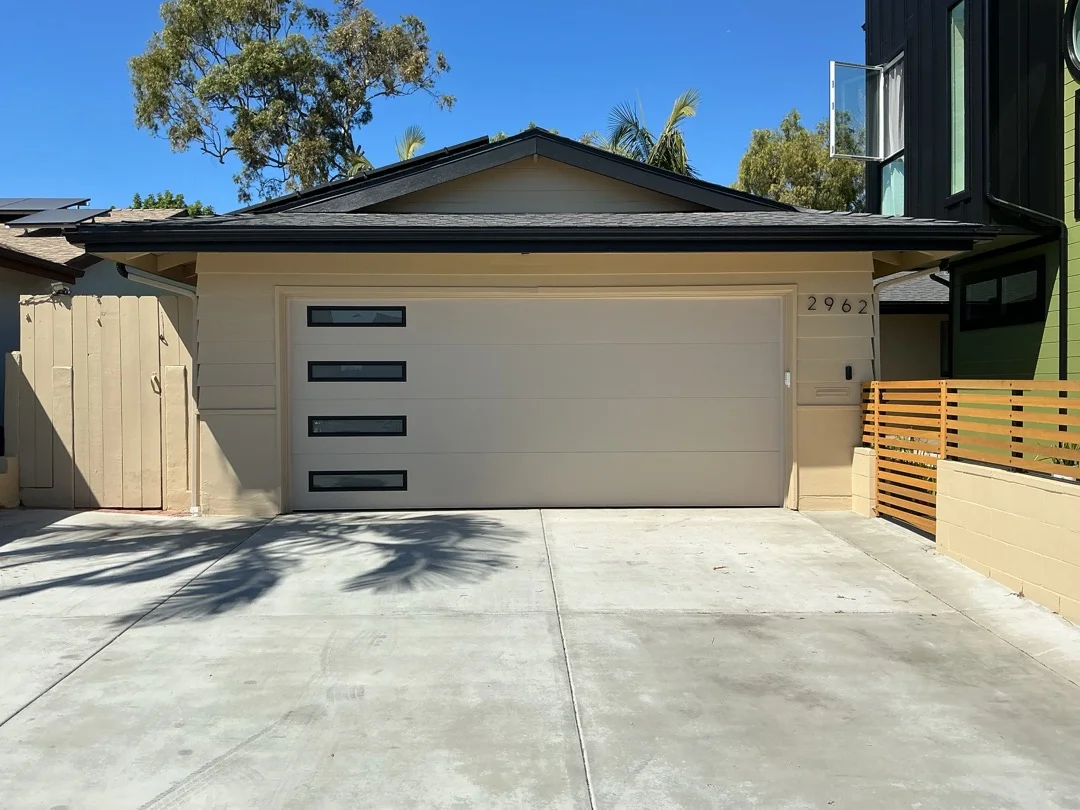
Why Your Garage Door Needs Extra Attention When Kids Are Home
Most homeowners do not think about their garage door until something goes wrong. But summer changes the pattern of how your garage is used, and that shift matters. During the school year, the garage door might open and close four to six times a day. During summer break, that number can double or even triple. More trips in and out mean more wear on the springs, cables, rollers, and opener motor. Over time, that wear shows up as noise, slowdowns, or sudden failures that may require garage door repair if issues are ignored.
To understand exactly why summer increases the risk, read Why Your Garage Door Needs Attention When Kids Are Home.
Check Your Garage Door Springs Before Summer Kicks In
What to Look For
Springs are the hardest-working part of your garage door system. They carry the full weight of the door every time it opens and closes. There are two types: torsion springs, which sit above the door, and extension springs, which run along the sides.
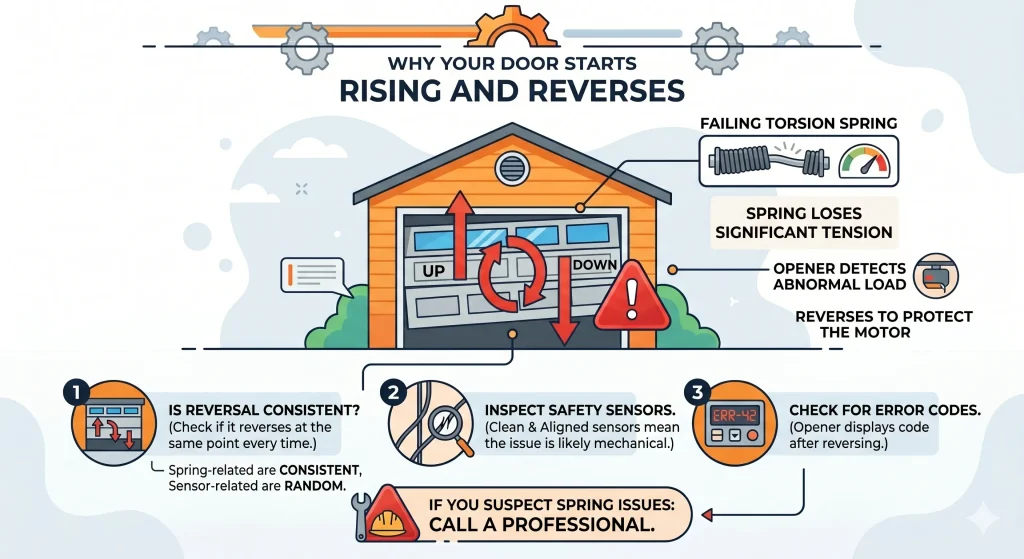
Here are signs that your springs may need attention:
- The door moves more slowly than usual when opening or closing
- You hear a loud bang from inside the garage, which often means a spring broke
- The door looks uneven or leans to one side when partially open
- The door feels heavy when you try to lift it manually
What You Can Do
Visually inspect the springs monthly, especially during summer. Look for gaps, rust, or visible wear. Do not attempt to repair or replace springs yourself. This is a job for a trained technician. Garage door springs are under extreme tension and can cause serious injury if handled incorrectly.
Inspect the Rollers, Tracks, and Cables
What to Look For
The rollers, tracks, and cables work together to guide the door smoothly up and down. When any one of these parts is worn or misaligned, the entire system feels it.
Signs that something may be off:
- Squeaking, grinding, or rattling sounds during operation
- The door shakes or vibrates as it moves
- You notice the rollers are cracked, chipped, or sitting unevenly in the track
- Cables appear frayed or look like they are starting to unravel
What You Can Do
Keep the tracks clear of dirt and debris. A damp cloth is enough to wipe them down. If you notice bent tracks or frayed cables, call a professional for an inspection. These parts are under tension and connected to the spring system, so repairs should always be handled by a technician.
Test the Auto-Reverse Safety Feature
What It Does and Why It Matters
The auto-reverse feature is one of the most important safety mechanisms on a modern garage door. It is designed to stop and reverse the door if it detects an obstruction in its path. This feature is critical when kids are playing near or inside the garage.
How to Test It
- Place a flat object, such as a 2×4 piece of wood, flat on the ground in the door’s path.
- Press the close button and watch what happens.
- The door should touch the object, stop, and reverse direction within two seconds.
- If the door does not reverse, do not use the garage until the issue is repaired.
DASMA’s garage door opener safety tips explain the exact performance standards auto-reverse systems must meet and what to do when they fall short.
Lubricate the Moving Parts the Right Way
What Needs Lubricating
Proper lubrication keeps your garage door running quietly and reduces wear on the parts that move every time the door operates. During summer, heat can dry out the lubricant faster, which makes this step even more important.
Parts that benefit from regular lubrication:
- Hinges along the door panels
- Rollers, especially if they are steel rather than nylon
- The torsion spring above the door
- Bearing plates on either side of the spring
What to Use
Use a lithium-based or silicone spray lubricant made for garage doors. Avoid WD-40 for this purpose, as it is a cleaner, not a lubricant, and can attract dirt over time. A light coat applied twice a year is usually enough, though once before summer is a good starting point.
Watch for These Garage Door Hazards During Summer
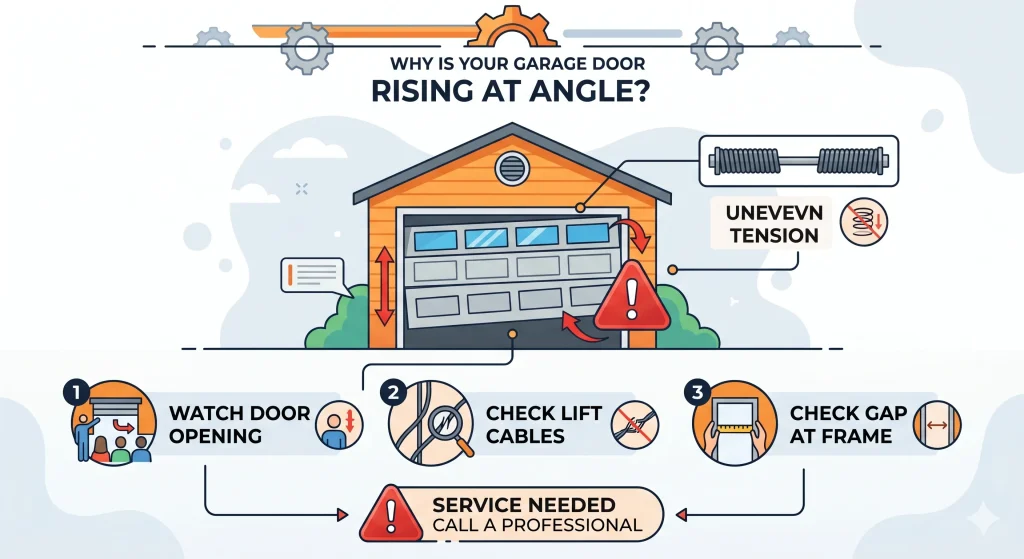
Summer changes how kids interact with the garage space. More time at home means more opportunities for accidents. Understanding the specific hazards that increase during summer can help you stay ahead of potential problems.
From pinch points in the door panels to opener remote misuse, there are several risks that increase when school is out. Our detailed article covers each one in depth, Garage Door Hazards That Spike When Kids Are Home All Summer.
Understanding why automatic garage door standards matter helps explain how these safety features were developed and why keeping them in working order is not optional.
Check the Weatherstripping and Seals
Why This Matters in Summer
The rubber seal at the bottom of your garage door, called the weatherstrip, keeps out dust, moisture, and pests. In San Diego summers, it also helps reduce heat transfer into your garage. A cracked or worn-out seal lets in warm air, which makes the garage uncomfortable and can affect anything stored inside.
What to Look For
- Cracks, tears, or sections that have pulled away from the door
- Gaps along the sides or top of the door frame
- Light is visible around the edges of the door when it is fully closed
Replacing weatherstripping is a manageable task for most homeowners and is relatively low in cost. If the seal along the sides or top of the frame is damaged, that may require a professional to assess the door alignment first.
Set a Regular Service Schedule and Stick to It
One of the most overlooked parts of garage door care is consistency. Most homeowners only call for service when something breaks. But routine maintenance catches problems early and extends the life of the entire system.
Knowing how often to schedule a professional inspection is just as important as the inspection itself.
If you are unsure where to start, read our guide on How Often to Service Your Garage Door This Summer Season.
Test the Manual Release and Backup Power
What It Is
Every automatic garage door opener has a manual release cord, usually a red handle hanging from the trolley rail. This cord disconnects the door from the motor so you can open and close it by hand during a power outage.
Why Summer Is a Good Time to Test It
Power outages in San Diego, though not frequent, can happen during the summer due to high energy demand. If the manual release has never been tested, a homeowner may not be able to open the garage during an outage, especially if the door is heavy or the springs are weak.
Here is how to check it:
- Pull the red release cord while the door is closed
- Try to lift the door by hand. It should move smoothly with moderate effort
- If the door is extremely heavy or difficult to lift, the springs may need to be inspected
- Re-engage the opener by pulling the release cord toward the door or pressing the opener button
Clean and Inspect the Garage Door Panels
More Than Just Appearance
The exterior panels of your garage door take on sun, salt air, and general wear throughout the year. In coastal areas like San Diego, the combination of humidity and heat can accelerate the breakdown of wood, steel, or fiberglass panels. Checking the panels at the start of summer helps you catch any damage before it spreads.
What to Check
- Dents, cracks, or warping on individual panels
- Peeling paint or rust spots on steel doors
- Soft or rotting sections on wood doors
- Fading or bubbling on fiberglass panels
Keep Your Garage Door Ready for Whatever Summer Brings
Summer is a great time to enjoy everything San Diego has to offer, but it is also the season when your garage door works the hardest. Kids coming and going all day, heat that stresses the mechanical parts, and increased daily use all add up. The good news is that staying on top of these maintenance checks does not take much time, and it can prevent costly repairs and, more importantly, keep your family safe.
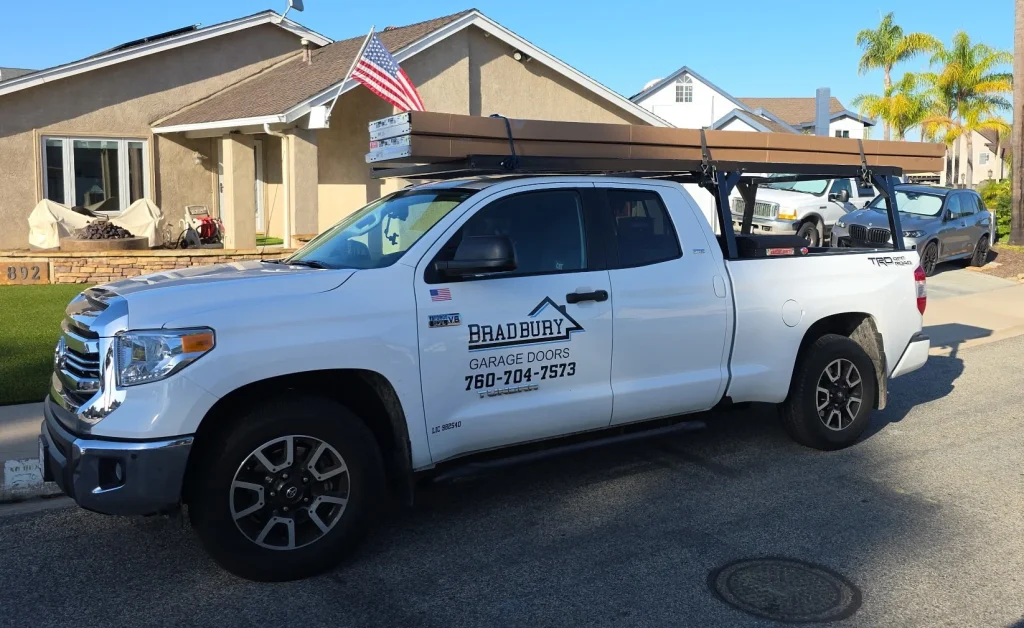
When you are ready for a professional inspection or need a repair handled the right way, Bradbury Garage Doors is here to help. Our team knows San Diego homes and what it takes to keep garage doors running safely all year long. Contact us today or give us a call to schedule your summer maintenance visit.
Frequently Asked Questions
Is it safe for kids to operate the garage door opener?
Children under 12 should not operate the garage door opener without adult supervision. Remotes and wall buttons should always be kept out of reach of younger children.
What type of lubricant should I use on my garage door?
Use a lithium-based grease or silicone spray made specifically for garage door systems applied to the hinges, rollers, and springs. Avoid general-purpose sprays like WD-40, as they attract dust and dirt over time.
Can the hot weather in San Diego damage my garage door?
Yes, heat can dry out lubricant faster, cause wood doors to warp, and put extra stress on the opener motor. Keeping moving parts lubricated and checking the weatherstripping during summer helps reduce heat-related wear.
How can I tell if my garage door opener is getting old?
Signs include slow or inconsistent response times, grinding sounds during operation, and frequent need for remote reprogramming. Openers older than 10 to 15 years may lack modern safety features and are worth having a technician evaluate.
What should I do if my garage door reverses before it fully closes?
Check that nothing is blocking the sensor beam near the floor on either side of the door. If the sensors are clear and the problem continues, a technician should recalibrate the opener settings.
Is it okay to park a car in the garage during the summer if the door has issues?
It is best to address any door issues before using the garage as usual, as a door with weak springs or alignment problems can drop or shift unexpectedly. Until the issue is repaired, parking outside is the safer choice.
How long does a typical garage door maintenance visit take?
A standard maintenance visit usually takes between one and two hours, depending on the condition of the door and whether any parts need to be replaced on the spot.
Do I need to maintain my garage door if it is still under warranty?
Yes, most manufacturer warranties require regular maintenance to remain valid, and skipping it can void your coverage. Check your warranty documentation for specific maintenance requirements.
What is the average lifespan of a residential garage door?
A well-maintained garage door can last 20 to 30 years, while springs typically last 7 to 10 years, depending on usage. Summer high usage can shorten that timeline if maintenance is not kept up.