
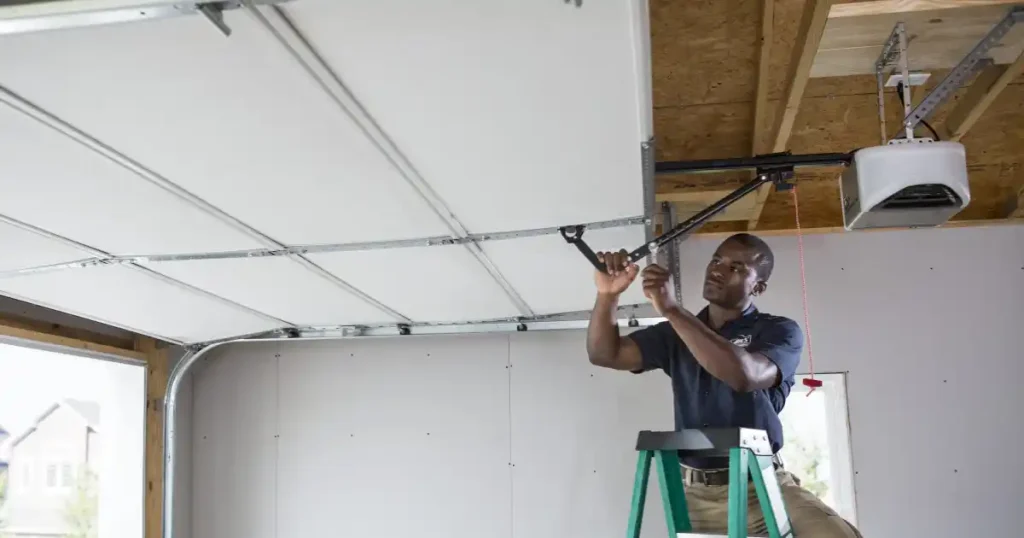
A garage door that starts to close and then suddenly reverses can be frustrating. Many homeowners in San Diego, CA, assume the opener is broken. In reality, the issue is often much simpler.
Yes, misaligned garage door sensors can absolutely stop a garage door from closing. When the safety sensors are misaligned, the system assumes something is blocking the door. As a result, it automatically reverses to prevent injury or damage.
Modern garage door systems are designed to prioritize safety over convenience. Understanding how these sensors work and why they fail can help prevent unnecessary repairs and improve long-term reliability. Routine garage door maintenance plays an important role in keeping safety sensors aligned and ensuring the entire system operates smoothly year-round.
What Garage Door Safety Sensors Actually Do
Garage door safety sensors, often called photo eye sensors, are small devices installed near the bottom of the garage door tracks. They sit about 4–6 inches above the floor on each side.
These sensors send an invisible infrared beam across the doorway. When both sensors are properly aligned:
- The beam connects from one side to the other
- The opener confirms the path is clear
- The door closes normally
If something breaks that beam, a car tire, a trash bin, a child’s toy, or even misalignment, the opener immediately reverses the door.
This safety system became federally required in the early 1990s. It prevents serious injuries and property damage. That means if the sensors are even slightly off, the garage door simply will not close.
What to Check
- Are both sensor indicator lights on?
- Is one sensor blinking?
- Are the sensors directly facing each other?
- Is anything blocking the beam?
In many San Diego homes, simple visual inspection reveals the issue quickly. For a deeper look at related closing problems, read Why Your Garage Door Won’t Close All the Way (Common Causes and Safe Next Steps) for additional insights and safe troubleshooting guidance.
Yes, Misaligned Sensors Can Completely Stop the Door From Closing
When garage door sensors are misaligned, several things may happen:
- The door starts closing, then reverses
- The door moves a few inches and stops
- The opener motor runs, but the door does not close
- The remote fails to close the door, but holding the wall button works
This happens because the opener interprets misalignment as an obstruction. Even a small shift in angle can break the infrared beam.
In coastal areas of San Diego, salt air and humidity can cause metal brackets to corrode. Over time, this can slightly shift sensor positioning. That small change is often enough to interrupt the beam.
Modern garage door openers are designed to err on the side of safety. If the system cannot confirm a clear path, it will not allow the door to close. For more insight into reversing issues, read Why Does My Garage Door Reverse Before Closing? to better understand other possible causes.
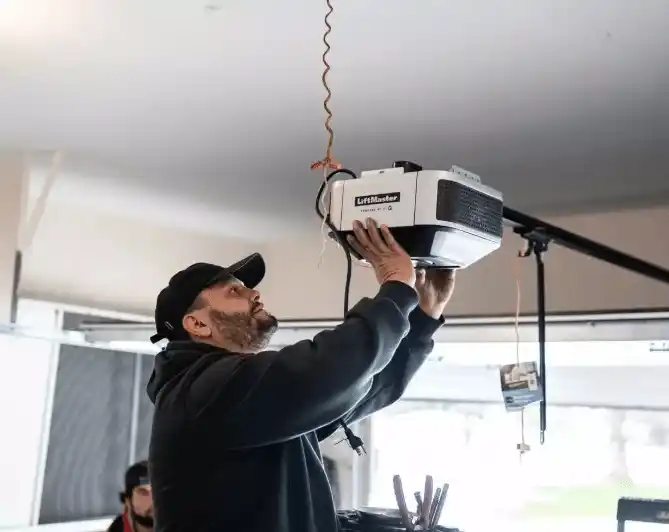
Common Signs Your Garage Door Sensors Are Misaligned
Recognizing the signs early can prevent unnecessary service calls.
One Sensor Light Is Blinking
Most safety sensors have LED indicator lights. A blinking light often means misalignment.
One Sensor Light Is Completely Off
If one light is off, it may indicate alignment issues or wiring problems.
The Door Closes Only When Holding the Wall Button
Holding the wall button overrides the safety sensor temporarily. If the door closes only this way, sensor misalignment is likely.
The Door Reverses Immediately
If the garage door goes down a few inches and then reverses, the beam may be interrupted.
Issues Occur During Bright Sunlight
Strong afternoon sun in west-facing San Diego garages can sometimes interfere with sensor visibility.
These symptoms are often confused with opener failure, but sensors are usually the first place to check. For additional insight into interrupted door movement, explore What Causes a Garage Door to Stop Midway? to understand other mechanical and safety-related factors.
Why Sensor Misalignment Happens in San Diego Homes
Environmental and structural factors in San Diego play a bigger role than many homeowners realize.
Coastal Moisture and Salt Air
Homes near the coast experience corrosion faster than inland properties. Salt air can:
- Weaken mounting brackets
- Cause slight warping
- Loosen hardware
Even minor corrosion can shift alignment.
Ground Shifting and Minor Seismic Activity
San Diego experiences small seismic movements. Minor foundation settling may cause:
- Track shifts
- Slight height differences
- Bracket loosening
Small shifts are enough to break sensor alignment.
Direct Sunlight Interference
Strong sunlight, especially in the late afternoon, may overwhelm the receiving sensor. This is common in garages facing west.
Accidental Bumps
Garage storage items, trash cans, bicycles, and tools frequently bump sensors out of place. Even light contact can disrupt alignment.
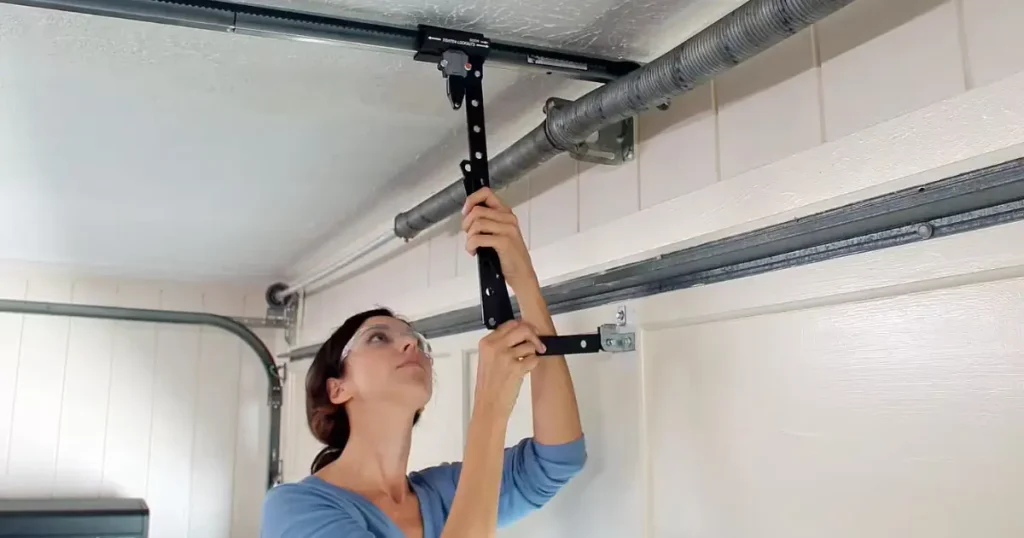
What to Check Before Calling a Professional
Before scheduling a garage door repair in San Diego, a few safe inspections can help identify the issue.
Check for Dirt and Debris
Dust, spider webs, or debris can block the sensor beam. San Diego’s dry seasons and Santa Ana winds increase dust buildup.
Inspect Sensor Positioning
Both sensors should face each other directly at the same height.
Confirm Brackets Are Secure
Loose mounting brackets can cause sensors to tilt slightly.
Look for Visible Wire Damage
Exposed or frayed wiring may interrupt the signal between the sensor and the opener.
If these simple checks do not solve the problem, a professional evaluation is recommended. Electrical adjustments and internal testing should not be handled without proper training.
When It’s Not Just Misalignment
Sometimes the issue extends beyond simple alignment.
Other possible causes include:
- Damaged sensor wiring
- Faulty garage door opener logic board
- Broken sensor units
- Aging opener system (10–15 years old)
- Track misalignment
Professional technicians use diagnostic tools to test voltage flow and signal continuity. Guesswork often leads to replacing parts unnecessarily.
In coastal San Diego communities, sensor lifespan may be shorter due to corrosion exposure.
Average Repair Outlook in San Diego, CA
Garage door sensor issues are generally considered minor to moderate repairs.
- Sensor realignment: Typically falls into a basic service category
- Sensor replacement: Considered a moderate average repair
- Opener board replacement: Higher average repair category
While exact costs vary, sensor issues are usually far less expensive than full opener replacement.
Regular maintenance helps avoid larger repair expenses.
How to Prevent Garage Door Sensor Problems
Prevention reduces emergency repair situations and lowers the likelihood of unexpected garage door repair needs. Routine inspections, proper cleaning, and keeping sensors properly aligned can help extend the life of the entire garage door system and maintain safe operation year-round.
Schedule Annual Inspections
A yearly garage door inspection can identify loose brackets, corrosion, and wiring issues early.
Keep Sensor Area Clean
Regularly wipe lenses with a soft cloth to remove dust buildup.
Avoid Stacking Items Near Tracks
Keep storage items clear of the sensor area to prevent accidental bumps.
Install Sun Shields if Needed
Sun glare shields can reduce interference in bright garages.
Tighten Hardware Periodically
Checking mounting brackets for tightness can prevent gradual misalignment.
San Diego’s marine layer moisture and seasonal dust make preventative maintenance especially important.
Should Garage Door Sensors Be Fixed Without Professional Help?
Minor cleaning and visual inspections are safe for most homeowners. However, electrical testing and internal opener adjustments require professional training.
Improper adjustments may:
- Damage the opener
- Disable safety features
- Create injury risks
Garage door systems are heavy and operate under tension. Safety should always come first. In some cases, repeated sensor or opener failures may indicate a larger system issue where garage door replacement becomes a safer and more reliable long-term solution.
When to Call a Garage Door Professional in San Diego, CA
Professional help is recommended when:
- Sensors will not stay aligned
- Wiring damage is visible
- The door still will not close after cleaning
- The opener makes unusual grinding sounds
- The system is more than 10 years old
Licensed and insured garage door technicians in San Diego understand local environmental factors, including coastal corrosion and structural settling. If the system is outdated or repeatedly failing, a professional may also recommend garage door installation to improve safety, efficiency, and long-term performance.
Prompt attention prevents larger mechanical issues from developing.
Prevent Sensor Problems Before They Get Worse
Misaligned sensors are one of the most common reasons a garage door will not close. In many San Diego homes, environmental factors such as salt air, dust, and sunlight make sensor maintenance especially important.
Addressing small alignment issues early can prevent unnecessary stress on the garage door opener. Regular inspections, proper cleaning, and prompt professional evaluation when needed help ensure safe and reliable operation year-round. Proper garage door installation also plays a key role, as correctly mounted tracks, brackets, and sensors reduce the risk of future alignment problems.
A garage door is the largest moving part of most homes. Keeping its safety system properly aligned protects both property and people.
Providing Safe and Professional Garage Door Solutions
For homeowners in San Diego who continue to experience garage door sensor problems, Bradbury Garage Doors is known for providing thorough inspections and dependable service backed by industry experience. From diagnosing misaligned safety sensors to addressing opener and track issues, their team focuses on safe, long-term solutions suited to local coastal conditions. Contact us today or give us a call to keep your garage door operating smoothly and safely year-round.
Frequently Asked Questions
Why does a garage door close only when holding the wall button?
Holding the wall button places the opener into override mode. This temporarily bypasses the safety sensors. If the door closes only while the button is being held down, the sensors are likely misaligned, blocked, or malfunctioning.
How can misaligned garage door sensors be identified?
Misalignment is often indicated by a blinking sensor light or one sensor light being completely off. The door may reverse immediately after starting to close or move down only a few inches before stopping. In many San Diego homes, slight bracket shifting or corrosion causes these symptoms. For additional guidance on how alignment issues are typically diagnosed, visit Angi.
Can sunlight interfere with garage door sensors?
Yes. Strong sunlight, especially in west-facing garages common in San Diego, can interfere with the receiving sensor. Direct glare may weaken or disrupt the infrared beam, causing the door to reverse unexpectedly.
How long do garage door safety sensors typically last?
Garage door sensors generally last between 10 and 15 years. However, coastal conditions in San Diego, including salt air and humidity, can shorten their lifespan due to gradual corrosion of brackets and wiring.
Are garage door safety sensors legally required?
Yes. Federal safety regulations require automatic reversing systems on residential garage doors manufactured after 1993. These safety sensors are designed to prevent serious injuries and property damage.
Can dirt or debris stop a garage door from closing?
Yes. Dust, spider webs, and debris can block the infrared beam between the sensors. San Diego’s dry climate and seasonal winds often contribute to dust buildup near the garage floor, which may interfere with proper sensor operation.
Can minor earthquakes in San Diego cause sensor misalignment?
Small seismic activity and natural foundation settling can slightly shift garage door tracks or loosen sensor brackets. Even a small change in positioning may disrupt the beam and prevent the door from closing.
Is it safe to adjust garage door sensors without professional help?
Cleaning the lenses and checking for visible obstructions is generally safe. However, electrical troubleshooting and detailed adjustments should be handled by a qualified garage door technician to ensure the safety system functions properly.
When should a garage door professional in San Diego be contacted?
Professional service should be considered when sensors repeatedly fall out of alignment, wiring appears damaged, the door still will not close after cleaning, the opener system is more than 10 years old, or unusual grinding noises occur. Prompt evaluation helps prevent larger mechanical issues and ensures safe operation.