
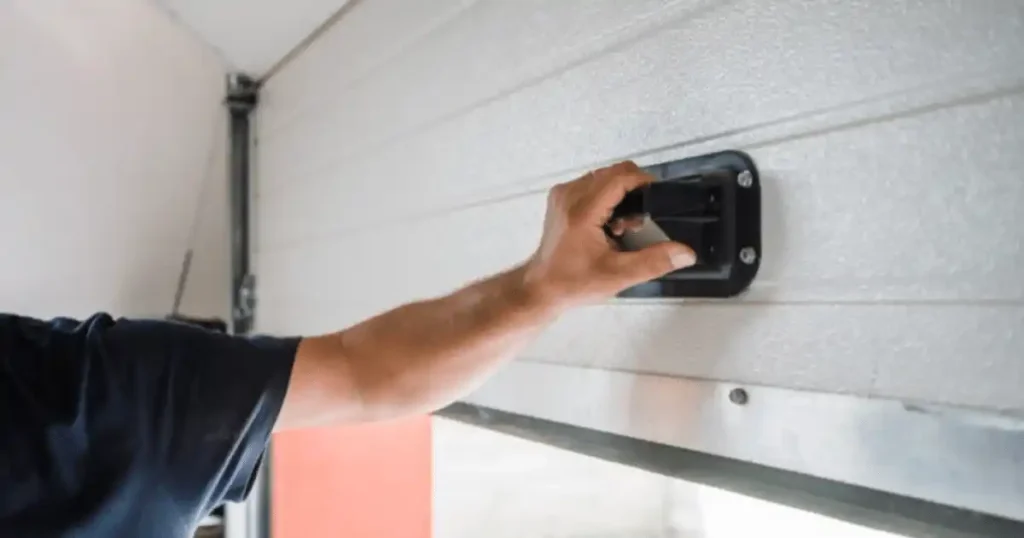
A garage door that stops halfway can be frustrating and even unsafe. One moment it starts opening or closing normally. Next, it freezes mid-cycle, reverses direction, or makes a humming sound without moving.
This issue is common in San Diego, CA, where coastal air, shifting foundations, and daily garage use all affect door performance. In many cases, the problem is not the opener itself but another part of the system working improperly. Lack of proper garage door maintenance can also increase the risk of mid-cycle stopping and premature wear.
If a garage door stops midway, here are the most common causes, what to check, and when professional service may be necessary.
Misaligned or Blocked Safety Sensors
Modern garage doors are equipped with photo-eye safety sensors near the bottom of the track. These sensors prevent the door from closing on a person, pet, or object.
Why This Happens
San Diego’s sunny climate can interfere with sensors. Direct sunlight hitting the lens may disrupt the signal. Dust, sand, spider webs, and salt air buildup are also common causes.
Signs to Watch For
- The garage door starts closing, then reverses.
- Sensor lights blink.
- The door works at night but not during the day.
What to Check
- Wipe both sensor lenses gently.
- Make sure both indicator lights are solid.
- Confirm that the sensors are facing each other directly.
Corrosion on wiring is also common in coastal areas. If the problem continues, professional inspection is recommended. Sensor replacement typically falls within a lower average repair range.
For more related troubleshooting guidance, explore Why Your Garage Door Won’t Close All the Way (Common Causes and Safe Next Steps) for additional insight into sensor and closing issues.
Damaged or Bent Garage Door Tracks
Garage door tracks guide the rollers as the door moves up and down. If the tracks are bent or misaligned, the door may stop midway.
Why It Happens
- Minor vehicle impact
- Loose mounting brackets
- Foundation settling
- Rust from coastal humidity
Symptoms
- Grinding or scraping noises
- Door shaking during movement
- Visible bends or gaps in the track
What to Check
Look along both vertical and horizontal tracks for dents or misalignment. Listen carefully during the operation for metal-on-metal sounds.
Track adjustments require precise alignment. Improper DIY attempts often make the issue worse. Track repairs generally fall into a moderate average repair category.
For additional insight into related safety and movement issues, read Why Does My Garage Door Reverse Before Closing? to better understand what may be triggering unexpected reversals.
Worn or Broken Garage Door Springs
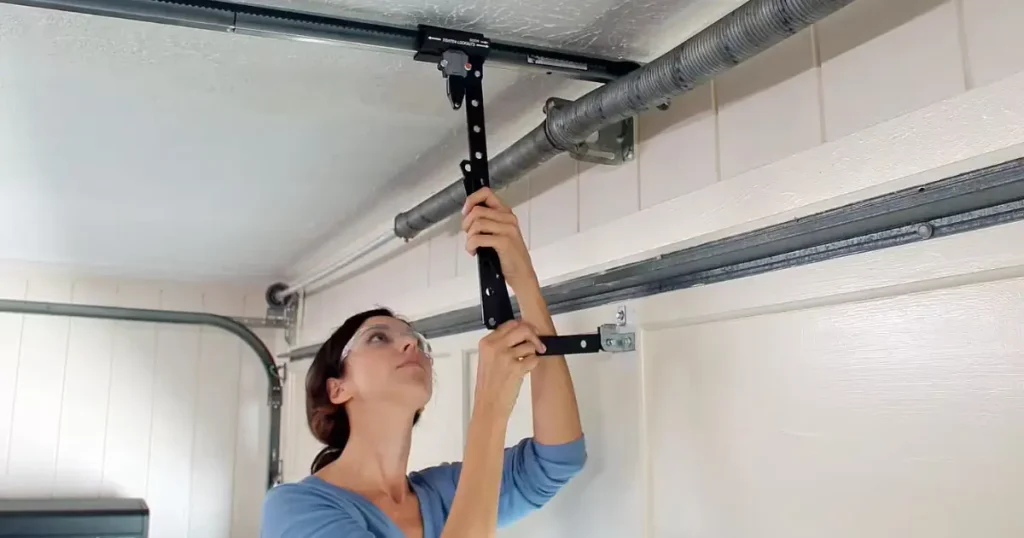
Garage door springs carry most of the door’s weight. The opener simply guides the movement. If springs weaken or break, the door may stop halfway because the opener cannot lift the load.
Types of Springs
- Torsion springs (mounted above the door)
- Extension springs (mounted along the sides)
Signs of Spring Failure
- A loud snapping sound in the garage
- The door feels extremely heavy
- The door stops halfway while opening
- Gaps in the torsion spring coil
In San Diego’s mild climate, springs may last longer than in extreme weather areas. However, coastal salt air can still cause corrosion and early wear.
Spring replacement falls within a mid-range average investment. Due to high tension, spring repairs should always be handled by trained technicians.
For related closing problems that are often mistaken for spring failure, see Can Misaligned Sensors Stop a Garage Door Closing? for additional troubleshooting guidance.
Incorrect Garage Door Opener Force Settings
Garage door openers have force settings that control how much power is used to move the door. If the force is set too low, the opener may stop midway because it thinks it hit an obstacle.
Signs of Force Setting Problems
- The door stops at the same spot each time.
- The opener hums but struggles.
- The door works better when operated manually.
What to Check
Disconnect the opener and test the door manually. If the door moves smoothly, the issue may involve opener calibration.
Force adjustments require careful tuning. Improper adjustments can create safety risks or damage the motor. Professional recalibration is often the safest approach.
Travel Limit Settings Are Off
Travel limits tell the opener how far the door should move when opening or closing. If these settings shift, the door may stop before reaching the full position.
Common Signs
- The door stops before fully opening.
- The door reverses before touching the ground.
- The opener light flashes after stopping.
Power fluctuations, which can occur during seasonal storms in San Diego, sometimes reset opener settings.
Reprogramming travel limits may appear simple, but incorrect adjustments can cause repeated cycling issues. Professional servicing ensures accurate reset and safe operation.
Worn or Damaged Rollers
Rollers help the door glide smoothly along the tracks. When rollers wear out, crack, or rust, movement becomes uneven. The door may jerk, tilt, or stop midway.
Why Rollers Wear Out
- Lack of lubrication
- Daily usage
- Coastal corrosion
- Age
Warning Signs
- Squeaking sounds
- Jerky motion
- One side of the door rises higher than the other
Prevention Tip
Annual lubrication with garage door–specific lubricant can extend roller lifespan. Avoid using heavy grease, which attracts dust and debris.
Roller replacement typically falls within a lower-to-moderate repair range.
Obstructions or Debris in the Track
San Diego homeowners often overlook environmental debris as a cause.
Common Track Obstructions
- Sand
- Small rocks
- Leaves
- Coastal debris
- Hardened grease buildup
Even small obstructions can cause resistance. When resistance increases, the opener may stop mid-cycle as a safety response.
What to Check
Inspect both tracks carefully from bottom to top. Clear visible debris gently. Avoid forcing the door if resistance remains.
Routine visual inspections help prevent this simple but common issue.
Cable or Drum Problems
Garage door cables work alongside the springs to lift the door evenly. If a cable frays or slips off the drum, the door may lift unevenly and stop halfway.
Signs of Cable Issues
- The door appears crooked
- One side lifts higher
- Loose or hanging cable visible
- Sudden stopping during operation
Cable problems are serious. Continuing to operate the door may cause further damage or complete system failure.
Cable repairs generally fall within a moderate average repair range. Due to spring tension, this repair should never be attempted without proper training.
The Garage Door Is Out of Balance
An unbalanced garage door places extra strain on the opener. Over time, this strain causes mid-cycle stopping.
How to Test Balance
- Disconnect the opener.
- Lift the door halfway.
- Release carefully.
If the door falls quickly or rises on its own, it is out of balance.
Balance issues are often tied to spring wear. Ignoring this problem may lead to motor burnout, which requires more extensive repair.
Why This Problem Should Not Be Ignored
When a garage door stops midway, it may seem minor at first. However, continued use can lead to:
- Motor damage
- Track misalignment
- Spring failure
- Increased repair costs
- Security vulnerabilities
Delaying professional garage door repair can allow small mechanical issues to turn into major system failures. A garage door system works as a single unit, and one failing component often affects others.
How to Prevent a Garage Door from Stopping Midway
Preventive maintenance plays a major role in avoiding unexpected breakdowns. In some cases, repeated system failures may indicate that a full garage door replacement is a smarter long-term solution rather than continuing temporary repairs.
Schedule Annual Inspections
Coastal exposure in San Diego increases wear on metal components. Professional inspections identify early corrosion and tension issues.
Keep Tracks Clean
Perform monthly visual checks for sand, debris, or buildup.
Lubricate Moving Parts
Lubricate rollers, hinges, and springs annually with a proper garage door lubricant.
Replace Worn Components Early
Replacing aging springs or rollers before failure reduces the risk of sudden mid-cycle stopping.
When to Call a Garage Door Professional in San Diego, CA
Professional service is recommended if:
- A loud snap was heard before the issue started.
- The door appears crooked.
- The opener strains or hums loudly.
- The door repeatedly stops midway.
- Cables are loose or hanging.
Coastal conditions, frequent daily use, and older garage systems in San Diego neighborhoods can accelerate wear. Professional technicians understand how local climate affects garage door systems and can determine whether repair or a full garage door installation is the safest long-term solution.
Address Midway Garage Door Issues Early to Prevent Bigger Problems
When a garage door stops midway, the issue often stems from sensor problems, worn springs, misaligned tracks, or opener settings. In San Diego, coastal conditions add another layer of wear that homeowners should not overlook.
Early inspection, regular maintenance, and timely professional service help extend the life of the system and prevent unexpected breakdowns.
A garage door should move smoothly, quietly, and evenly. If movement becomes inconsistent, addressing the problem quickly protects both safety and long-term performance.
Restore Safe Operation with Professional Service
For homeowners in San Diego seeking dependable service and long-term solutions, Bradbury Garage Doors is known for delivering thorough inspections, accurate diagnostics, and professional workmanship tailored to coastal conditions. Whether the issue involves springs, sensors, tracks, or opener settings, experienced technicians can identify the root cause and recommend the right fix. Contact us today or give us a call, and restore safe, reliable operation with confidence.
Frequently Asked Questions
Why does a garage door stop halfway when opening?
When a door stops midway during opening, worn springs, balance issues, or opener strain are common causes. If the springs cannot support the door’s weight, the opener may stop to prevent damage.
Can dirty sensors cause a garage door to stop?
Yes. Dust, sand, and spider webs can block the photo eye sensors. In sunny areas like San Diego, direct sunlight can also interfere with the sensor signal.
How do balance issues affect garage door movement?
An unbalanced door puts extra strain on the opener. If the opener detects unusual resistance, it may stop midway as a safety measure.
Can coastal weather in San Diego affect garage doors?
Yes. Salt air and coastal humidity can cause corrosion on springs, rollers, tracks, and wiring. Over time, this wear may lead to mid-cycle stopping. Coastal corrosion is a well-documented issue in metal components exposed to marine environments, as explained by ZRC Worldwide, which highlights how weather conditions accelerate rust and material breakdown.
Is it safe to keep using a garage door that stops midway?
No. Continued use can worsen internal damage, strain the opener motor, and increase repair needs. It is safer to have the system inspected.
How long do garage door springs typically last?
Most springs last between 7 and 12 years, depending on usage and maintenance. High daily use can shorten lifespan. Additional lifespan insights and usage factors are explained by Express Garage Doors, which outlines how cycle ratings and daily operation affect spring durability.
Can a power surge cause a garage door to stop halfway?
Yes. Electrical surges may reset opener settings, including travel limits or force adjustments, causing inconsistent movement.
What are the signs of a failing garage door opener?
Common signs include humming sounds without movement, slow response time, inconsistent stopping points, and flashing opener lights.
When should a garage door professional be called in San Diego?
Professional service is recommended if there is a loud snapping sound, visible cable damage, a crooked door, repeated mid-cycle stopping, or suspected spring failure. Early inspection helps prevent more serious system damage.