
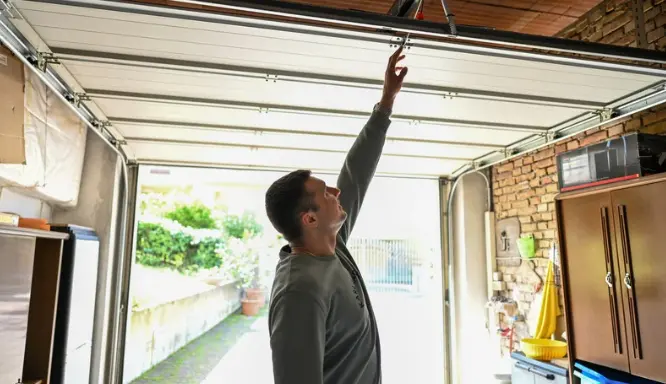
A garage door that starts to close and suddenly reverses can be frustrating. It may feel unpredictable, but in most cases, the system is reacting to something specific. Modern garage doors are designed with built-in safety features. If the door senses resistance or detects an obstruction, it automatically reverses to prevent injury or damage. Staying consistent with professional garage door maintenance helps reduce these unexpected issues and keeps safety systems functioning properly.
Quick Answer:
A garage door reverses before closing because the opener detects an obstruction, resistance, or a safety system fault. The most common causes include misaligned safety sensors, dirty photo eyes, incorrect force settings, travel limit issues, track obstructions, worn springs, balance problems, bottom seal interference, or a failing opener motor. Routine garage door maintenance can often catch these problems early before they lead to repeated reversals.
In San Diego, CA, coastal air, dust, temperature changes, and salt exposure can increase wear on garage door components. Understanding the real cause and scheduling regular garage door maintenance helps prevent unnecessary damage and keeps the system operating safely.
Misaligned Safety Sensors
What Are Safety Sensors?
Garage door safety sensors, also called photo-eye sensors, are mounted near the bottom of the door tracks. These sensors send an invisible infrared beam across the opening. If the beam is interrupted, the door reverses immediately.
Federal safety regulations require these sensors on all modern automatic garage doors.
Why Misalignment Happens
In many San Diego homes, small shifts can cause sensor misalignment. Common reasons include:
- Accidental bumps from trash bins or bikes
- Loose mounting brackets
- Minor foundation settling
- Coastal humidity affecting hardware
Even a slight shift can break the beam alignment.
Signs of Sensor Misalignment
- One or both sensor lights are blinking
- The door starts closing, but immediately reverses
- The opener lights flash after reversing
What to Check
- Both sensor indicator lights should be solid
- Ensure nothing is blocking the beam
- Check for bent brackets
Prevention Tip
Clean sensors monthly and inspect brackets for looseness. Regular checks reduce emergency service calls.
Average Repair Category: Minor adjustment service.
For more related closing issues, read Why Your Garage Door Won’t Close All the Way: Common Causes and Safe Next Steps to better understand other possible system faults.
Dirty or Obstructed Photo Eyes
Why Clean Sensors Matter
Garage door photo eyes are sensitive. Dust, spider webs, or debris can interrupt the infrared beam. In coastal San Diego neighborhoods, salt air and fine dust buildup are common.
Common Obstructions
- Spider webs
- Storage boxes
- Landscaping debris
- Wind-blown dirt
- Direct sunlight glare
Bright sunlight, especially during certain times of day in Southern California, can interfere with older sensor models.
What to Check
- Wipe lenses gently with a soft cloth
- Remove clutter near the bottom of the door
- Ensure sunlight is not directly hitting the sensor lens
Prevention Tip
Keep the area around the garage door clear and clean sensors regularly to avoid unexpected reversals.
Average Repair Category: Minor maintenance service.
For additional troubleshooting guidance, read What Causes a Garage Door to Stop Midway? to explore other mechanical and opener-related issues.
Incorrect Close Force Settings
What Is Close Force?
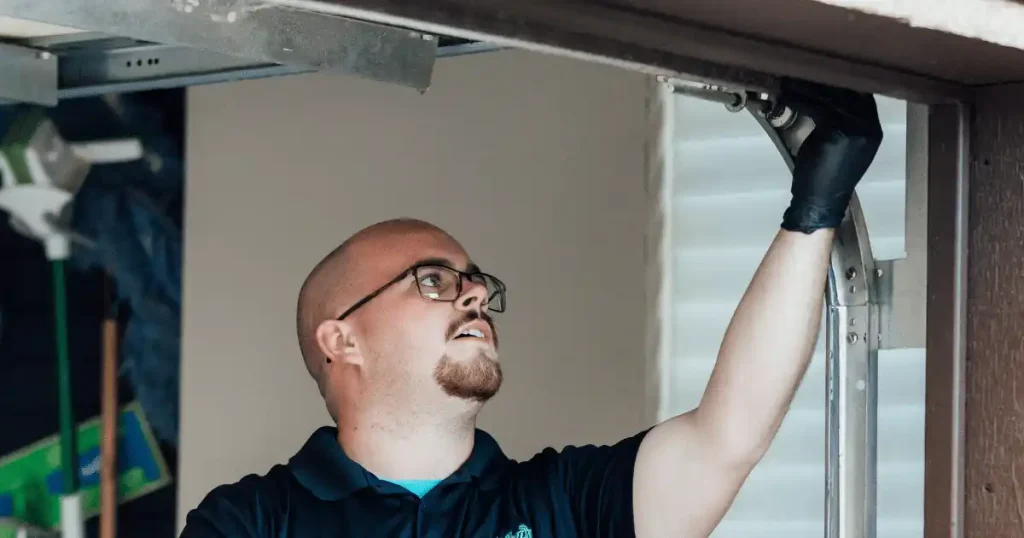
Garage door openers include force adjustment settings. These control how much resistance the opener tolerates before reversing.
If the opener senses too much pressure while closing, it reverses for safety.
Why Force Settings Become Incorrect
- Seasonal expansion of metal parts
- Track friction
- Aging motor components
- Previous improper adjustments
In warmer San Diego months, metal components may slightly expand, increasing resistance.
Signs of Force Setting Issues
- The door nearly reaches the ground and reverses
- No blinking sensor lights
- The door appears to struggle before reversing
What to Check
If the door feels heavier than usual, there may be an underlying spring issue rather than just a force adjustment problem.
Force adjustments should be handled carefully. Over-adjusting can override safety systems and create injury risks.
Average Repair Category: Moderate adjustment service.
For a deeper look at sensor-related safety concerns, read Can Misaligned Sensors Stop a Garage Door Closing? to better understand how alignment issues affect operation.
Travel Limit Settings Are Incorrect
What Are Travel Limits?
Travel limit settings tell the opener how far the door should move before stopping. If these settings are incorrect, the opener may believe the door has hit an obstruction and reverse.
Why This Happens
- Power outages
- Electrical surges
- Aging opener systems
- Manual setting changes
San Diego homes occasionally experience minor power fluctuations, especially during peak summer electricity usage.
Signs of Travel Limit Problems
- The door hits the ground and pops back up
- Door stops short and reverses
- Inconsistent closing distance
Prevention Tip
Have travel limits inspected during annual maintenance to prevent repeated strain on the opener.
Average Repair Category: Minor to moderate service adjustment.
Obstructions in the Garage Door Tracks
How Track Issues Cause Reversal
The garage door travels along metal tracks. If something blocks the track or causes resistance, the opener reverses the door for safety.
Common Track Problems
- Small rocks
- Rust buildup
- Dents
- Loose bolts
- Corrosion from coastal air
Homes closer to the Pacific Ocean may experience faster metal corrosion due to salt exposure.
Signs of Track Issues
- Grinding sounds
- Jerky movement
- Uneven closing
- Visible track damage
What to Check
Inspect both vertical and horizontal tracks for visible debris or dents.
Average Repair Category: Minor cleaning to moderate track repair.
Worn or Damaged Garage Door Springs
Why Springs Are Critical
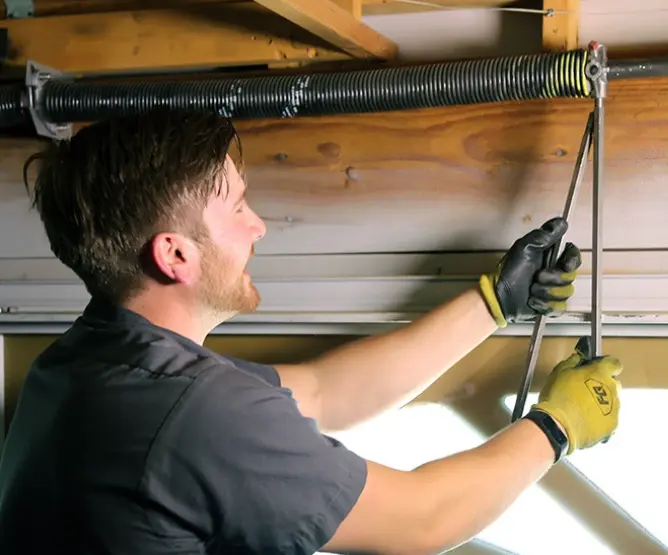
Garage door springs carry most of the door’s weight. If springs weaken or break, the opener must work harder to lift and lower the door.
When resistance increases, the opener may reverse during closing.
Signs of Spring Problems
- The door feels heavy
- A loud bang was previously heard
- Uneven movement
- The door struggles to close smoothly
Safety Warning
Springs operate under extreme tension. Professional inspection is strongly recommended for safety.
San Diego Climate Factor
Temperature fluctuations and coastal moisture can speed up spring wear.
Average Repair Category: Higher-end component replacement.
Garage Door Is Out of Balance
Why Balance Matters
A properly balanced garage door should stay in place when lifted halfway manually. If it drops or rises quickly, the system is unbalanced.
An unbalanced door places extra strain on the opener. When closing, the system may detect uneven pressure and reverse.
Causes of Imbalance
- Spring wear
- Cable issues
- Track misalignment
- Structural shifting
Older homes in certain San Diego neighborhoods may experience gradual foundation settling, affecting alignment.
Prevention Tip
Annual professional balance testing prevents excessive strain on the opener motor.
Average Repair Category: Moderate service adjustment.
Damaged or Warped Bottom Seal
Why the Bottom Seal Affects Closing
The bottom seal creates a tight barrier against the garage floor. If the rubber becomes stiff, cracked, or folded, it may cause resistance during closing.
The opener interprets that resistance as an obstruction and reverses.
Common in San Diego
Strong UV exposure and heat can harden rubber seals faster than in cooler climates.
What to Check
- Cracked rubber
- Flattened sections
- Uneven floor contact
- Seal folding under the door
Replacing worn seals helps improve insulation and proper closure.
Average Repair Category: Minor component replacement.
Failing Garage Door Opener Motor or Logic Board
When the Opener Is the Problem
If all mechanical components appear normal, the issue may be inside the opener itself.
Signs of Opener Failure
- Random reversals
- Inconsistent performance
- Unusual noises
- Flashing lights without obstruction
In many situations, professional garage door repair can resolve motor gear wear, wiring issues, or circuit board faults without replacing the entire system. However, if the opener is older or has repeated electronic failures, replacement may be recommended.
Prompt garage door repair prevents further strain on other components and helps restore safe, reliable operation.
Coastal Impact in San Diego
Salt air exposure can affect internal electronics, especially in garages near the coastline.
Average Repair Category: Moderate to major repair or replacement consideration.
When to Contact a Garage Door Professional in San Diego
Professional evaluation is recommended if:
- The door reverses repeatedly
- Sensor cleaning does not resolve the issue
- The door feels unusually heavy
- Grinding or loud noises occur
- A broken spring is suspected
In some cases, especially with older systems or severely worn components, garage door replacement may be safer and more cost-effective than repeated repairs. A qualified technician can determine whether a targeted repair or full garage door replacement is the better long-term solution.
Garage doors are heavy mechanical systems. Addressing small problems early prevents larger repairs later.
How to Prevent a Garage Door From Reversing Unexpectedly
Proper prevention starts with the correct setup. A professional garage door installation ensures that safety sensors, spring tension, opener force settings, and travel limits are accurately calibrated from day one. When installation is done correctly, the system is far less likely to experience premature reversing issues.
After garage door installation, ongoing maintenance is equally important. Regular inspections, sensor cleaning, track checks, and balance testing help keep the system operating smoothly. Even a perfectly installed garage door can develop reversing problems over time without routine care.
Combining expert garage door installation with consistent preventive maintenance significantly reduces unexpected safety reversals and extends the life of the entire system.
Monthly Homeowner Checklist
- Clean safety sensors
- Inspect tracks for debris
- Listen for unusual sounds
- Check the bottom seal condition
- Observe door movement for smooth operation
Annual Professional Maintenance
- Force and limit setting inspection
- Spring tension evaluation
- Track alignment check
- Hardware tightening
- Lubrication of moving parts
Routine maintenance is typically considered a low-cost preventive service compared to emergency repairs or full system replacements.
Protecting Your Garage Door System in San Diego’s Coastal Climate
A garage door that reverses before closing is usually doing exactly what it was designed to do: protect people and property. The key is identifying what triggered the safety response.
In San Diego, coastal air, dust accumulation, UV exposure, and seasonal temperature changes can accelerate wear on sensors, springs, and tracks.
Addressing early warning signs keeps the garage door system safe, reliable, and operating smoothly. Regular inspections and professional maintenance reduce unexpected breakdowns and extend the lifespan of the entire system.
If the issue continues after basic visual checks, a qualified garage door technician can accurately diagnose the cause and prevent further damage.
Get Reliable Garage Door Help From Local Specialists
For homeowners in San Diego looking for experienced and dependable service, Bradbury Garage Doors is known for delivering thorough inspections, honest recommendations, and long-term solutions tailored to coastal conditions. From sensor diagnostics to spring evaluations and opener troubleshooting, every service is handled with safety and precision in mind. Contact us today or give us a call, and keep your garage door operating safely and reliably year-round.
Frequently Asked Questions
Can sunlight cause a garage door to reverse?
Yes. In bright areas like San Diego, direct sunlight can interfere with older photo-eye sensors and temporarily disrupt the infrared beam. Strong glare can overwhelm the sensor’s receiver, making the opener believe something is blocking the door. For a deeper technical explanation of how bright light affects photocells, visit Gate Auto.
How do you know if the safety sensors are bad?
If the sensor lights are blinking, dim, or not illuminated at all, there may be misalignment, wiring damage, or sensor failure that requires inspection.
Will a broken spring cause the door to reverse?
Yes. A worn or broken spring changes the door’s weight distribution. The opener senses excessive resistance and reverses for safety.
Why does the garage door go down a few inches and then go back up?
This is commonly caused by sensor alignment issues, debris in the tracks, or incorrect force settings in the opener.
Is it safe to adjust garage door force settings?
Force settings should be handled carefully. Incorrect adjustments can override built-in safety systems and create serious injury risks. Professional evaluation is recommended.
Can a dirty garage door track cause reversing?
Yes. Dirt, rust, or small debris inside the track can create resistance, triggering the automatic reverse mechanism. When resistance increases beyond the opener’s safety threshold, the system automatically reverses to prevent damage. For additional guidance on testing garage door safety features, visit US Inspect.
How often should garage door sensors be cleaned?
Sensors should be inspected and cleaned at least once a month, especially in dusty or coastal environments like San Diego
Does coastal air affect garage door performance?
Yes. Salt air can accelerate corrosion on tracks, springs, and electronic components, leading to alignment and resistance issues over time.
When should a professional be called for a reversing garage door?
If cleaning the sensors and checking for visible obstructions does not resolve the issue, or if the door feels heavy or uneven, professional service is strongly advised to prevent further damage.