
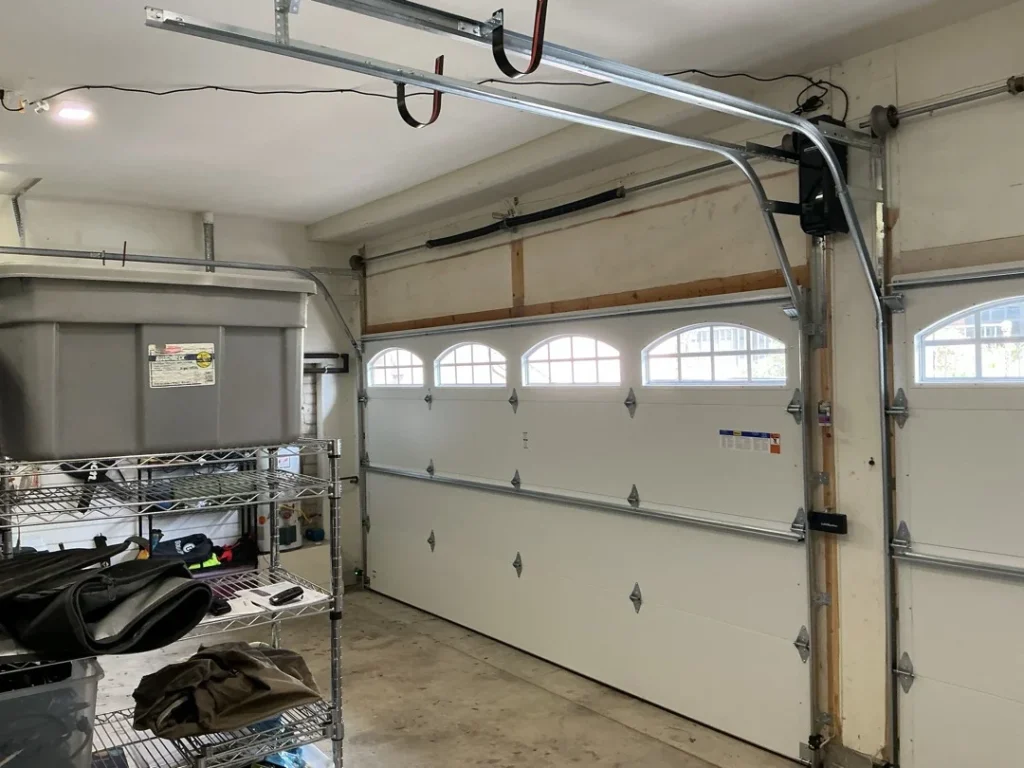
Most homeowners do not give their garage door a second thought until something breaks. But summer is different. When kids are home from school, the garage becomes one of the busiest spots in the house. Bikes go in and out, sports equipment gets dragged across the floor, and the door opens and closes more times in a single afternoon than it might during an entire school day. That’s why garage door maintenance becomes more important during this season, even if everything seems to be working fine.
The mechanical parts that make your garage door work are built to handle regular use, but they are not built to handle neglect. When daily use spikes and routine care is skipped, the wear on your system accelerates fast. For San Diego homeowners, where warm weather keeps kids active outdoors for months at a stretch, staying on top of garage door maintenance helps catch small issues early, prevent unexpected breakdowns, and keep the system running safely and reliably.
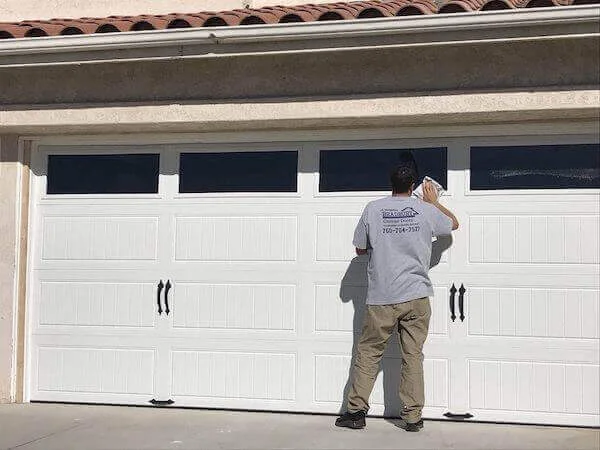
Summer Turns Your Garage Into a High-Traffic Zone
One of the most overlooked reasons garage doors fail earlier than expected is simple overuse without maintenance. During the school year, a typical household might use the garage door six to eight times a day. During summer break, that number can climb to fifteen or more, depending on how many kids are home and how active they are.
Every cycle, meaning every time the door goes up and down, puts wear on the springs, cables, rollers, and opener motor. Manufacturers rate garage door springs by cycle count, typically around 10,000 cycles for standard springs. A household that doubles its daily usage during summer can burn through those cycles significantly faster than expected.
For a full picture of what summer maintenance looks like from start to finish, our guide Kids Home for Summer? Don’t Skip Garage Door Maintenance covers every key checkpoint homeowners should work through before and during the season.
Heat Accelerates Wear on Mechanical Parts
San Diego summers are warm and dry, and that climate has a direct effect on your garage door system. Heat causes metal components to expand slightly, and repeated expansion and contraction over time can lead to misalignment, increased friction, and faster wear on moving parts.
Here is what heat does to specific components:
- Springs dry out faster without proper lubrication, making them more prone to cracking or snapping
- Rollers can warp or flatten under heat stress, especially older plastic or nylon rollers
- Cables become more brittle in extreme heat, increasing the risk of fraying
- Opener motors run harder in warm conditions, which shortens their overall lifespan if not properly ventilated
Kids Change How the Garage Space Gets Used
Kids introduce a different kind of traffic to the garage entirely. During summer, the door gets triggered more casually and more frequently, remote controls get left in reach of younger children, and the door gets stopped mid-cycle and reopened multiple times in a row. That kind of irregular use puts real strain on the opener motor and drive mechanism over time.
What homeowners can do:
- Keep garage door remotes out of reach of young children
- Teach older kids the correct way to operate the door: one press to open, one press to close
- Avoid stopping and restarting the door repeatedly during a single cycle
- Check that the wall button is not being used as a toy
The Safety Sensors Need to Work Perfectly When Kids Are Around
Modern garage doors are equipped with photoelectric safety sensors near the floor on either side of the door that stop and reverse the door when the beam between them is broken. During summer, these sensors are more important than ever since kids run through the garage, drop toys near the door, and sometimes do not notice when it is in motion. A sensor that is dirty, misaligned, or malfunctioning cannot do its job when it matters most.
Signs your sensors may need attention:
- The door reverses immediately after you press close, even when nothing is in the way
- The door closes only when you hold down the wall button continuously
- One of the sensor lights is blinking or off entirely
- The sensors appear dirty, covered in dust, or knocked slightly out of position
More Usage Means the Opener Motor Works Harder
The garage door opener does the heavy lifting every time the door moves. It drives the door along the track, manages the speed, and handles the reversal when a sensor is triggered. During summer, when the door cycles more frequently, the opener motor runs more often and generates more heat.
Older openers, particularly those more than ten years old, may struggle to keep up with increased summer demand. Signs that the opener is under more stress than it can handle include:
- Slower than usual door movement when opening or closing
- A grinding or straining sound from the motor unit
- The opener light flickers during operation
- The door stops partway and needs a second press to complete the cycle
If your opener is struggling to keep up with increased summer demand, Angi’s breakdown of which garage door opener style is best for you can help you evaluate whether your current unit still fits your household’s needs.
Garage Door Hazards Go Up When School Is Out
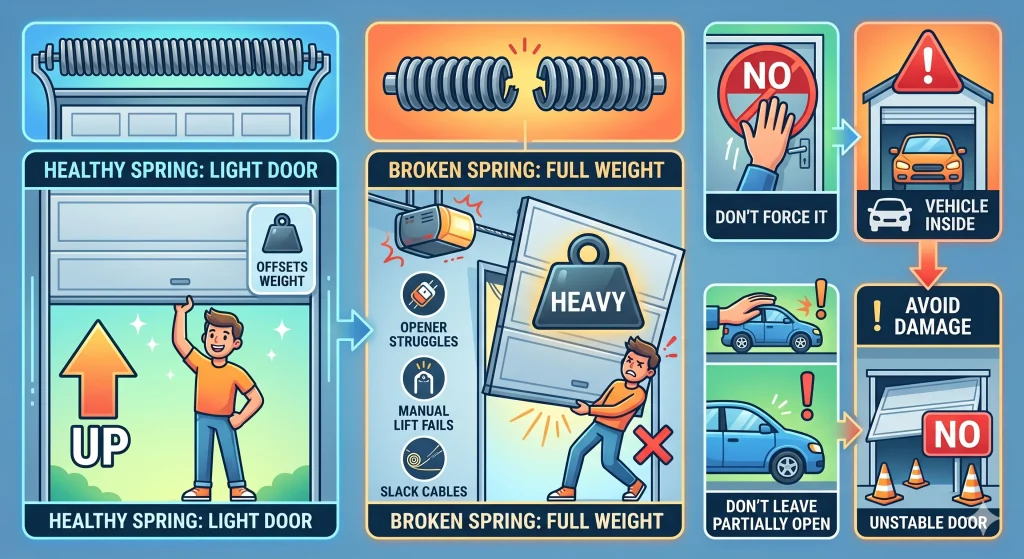
Increased foot traffic, curious kids, and a garage door that is being used harder than usual all combine to raise the risk of accidents during summer. Understanding the specific hazards that spike during this season gives homeowners a clearer picture of what to watch for.
Everything from pinch points in the door panels to improper remote use becomes a higher risk when children are home more often. Our detailed breakdown covers the specific dangers and how to address each one, Garage Door Hazards That Spike When Kids Are Home All Summer.
DASMA’s full list of garage door safety tips covers the most common accident scenarios and the precautions every household should have in place before a problem occurs.
The Garage Door Structure Itself Takes More Physical Stress
Beyond the mechanical components, the physical structure of the door faces more wear during the summer. Kids lean against panels, bump into the door with bikes and scooters, and occasionally send a ball or other object into the surface. In San Diego, salt air from the coast adds another layer of stress to steel and aluminum panels over time, which can eventually lead to garage door repair if damage is ignored.
What to check on the door panels and frame:
- Dents or cracks in individual panels that may affect how the door sits in the track
- Rust forming around the edges of steel panels, especially near the bottom
- Warping of wood doors caused by heat and humidity changes
- Damage to the door frame or weatherstripping from repeated impact
Routine Maintenance Prevents the Most Common Summer Failures
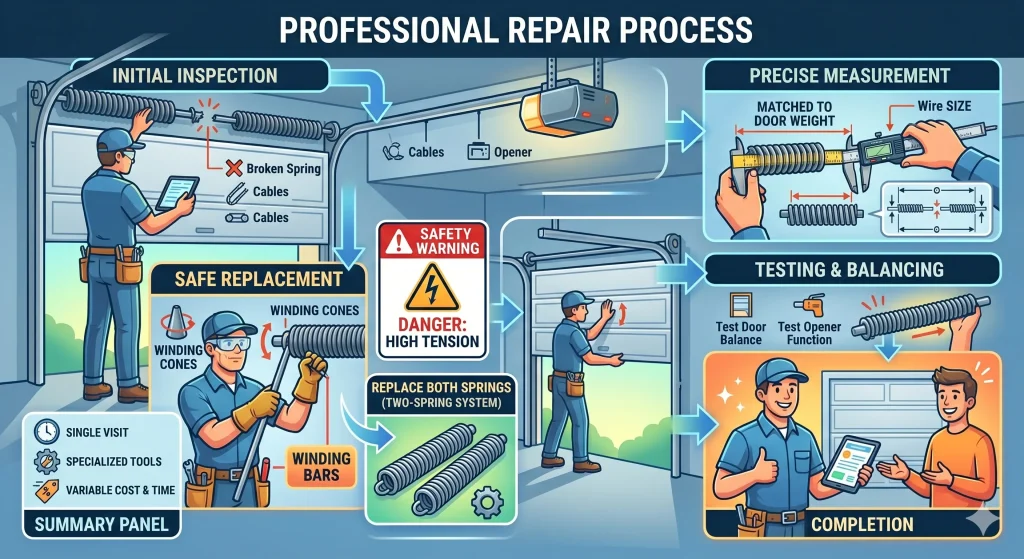
The good news is that most summer garage door failures are preventable. The issues that cause the most disruption, broken springs, worn rollers, sensor failures, and opener burnout, all give warning signs before they become full failures. The key is checking for those signs before summer gets busy, rather than after something stops working.
A basic summer maintenance routine includes:
- Lubricating the springs, hinges, rollers, and bearing plates
- Cleaning and aligning the safety sensors
- Testing the auto-reverse feature with a flat object on the ground
- Checking the door balance by disconnecting the opener and lifting the door by hand
- Inspecting cables and rollers for visible wear
- Wiping down the tracks and checking for debris
Most of these checks take only a few minutes each. Scheduling a professional service visit once a year, ideally before summer begins, covers everything on this list and more. For guidance on how often to bring in a technician, read How Often to Service Your Garage Door This Summer Season.
Keep the Door Working So Summer Stays Stress-Free
A garage door that works quietly and reliably in the background is easy to take for granted. It is only when something goes wrong, a spring snaps, the sensors fail, or the opener stops responding, that homeowners realize how much the whole household depends on it. Summer in San Diego is meant to be enjoyed, not spent waiting on an emergency repair. Taking a little time before and during the season to check the key parts of your garage door system is one of the simplest ways to protect your home, your budget, and your family.
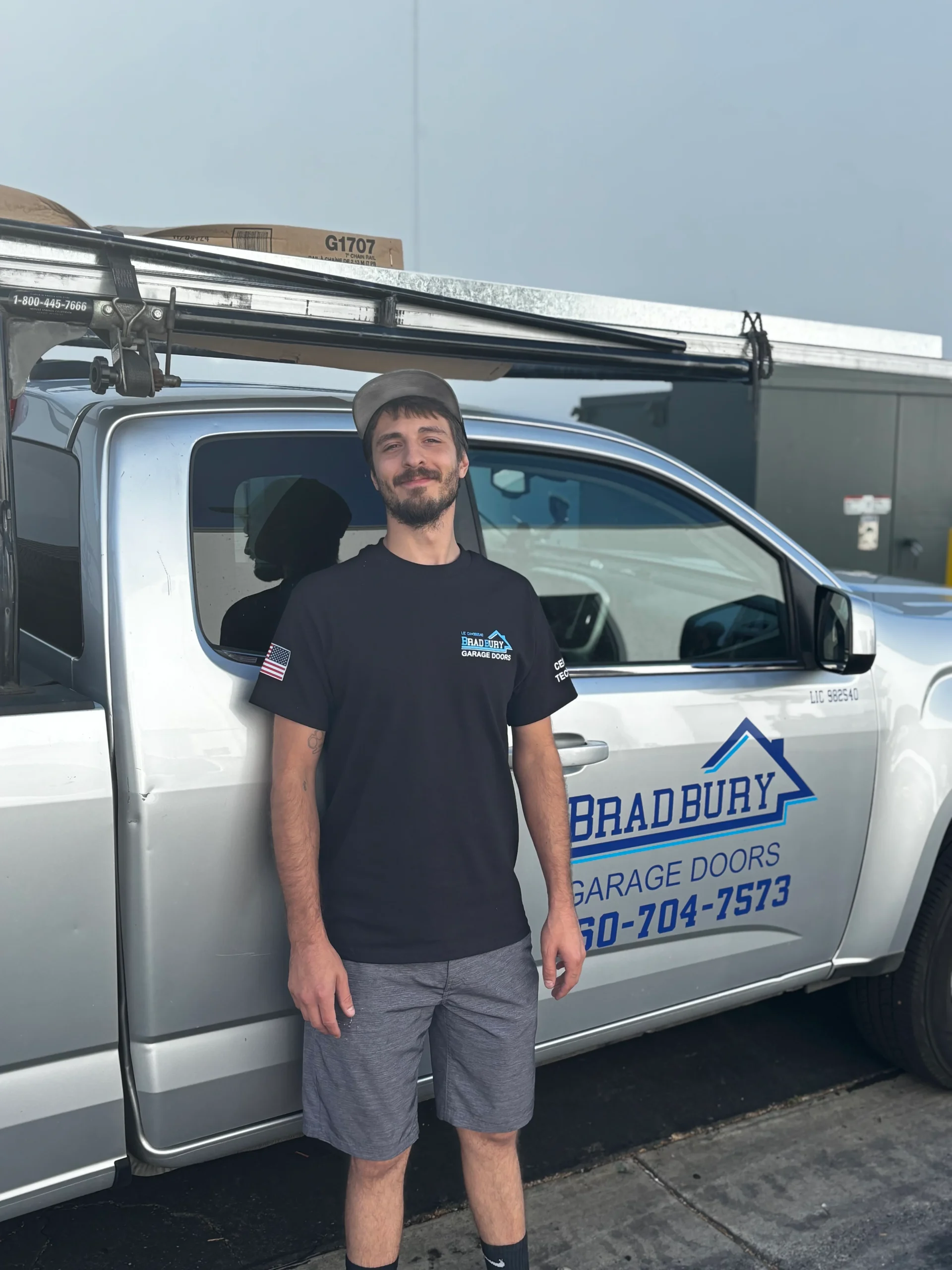
Bradbury Garage Doors works with San Diego homeowners to keep their garage doors safe, reliable, and ready for whatever the season brings. When you are ready for a professional to take a closer look, contact us today or give us a call to schedule your inspection.
Frequently Asked Questions
Can my garage door opener overheat during the summer?
Yes, opener motors can overheat if poorly ventilated or used more frequently than usual. If the opener feels hot or shuts off mid-cycle, let it cool down and confirm nothing is blocking the motor ventilation. Persistent overheating should be evaluated by a technician.
How do I know if my garage door is properly balanced?
Disconnect the opener, lift the door by hand to about waist height, and let go. A balanced door stays in place or moves only slightly if it drops quickly or rises on its own; a professional needs to adjust the spring tension.
What is the safest way to teach kids about garage door safety?
Teach children that the garage door is not a toy, to never run under a moving door, and to always stand clear until the door has fully stopped. Keep remotes out of reach of younger children at all times.
Why does my garage door reverse on its own without anything in the way?
This is usually caused by misaligned or dirty safety sensors or close-limit settings that need adjustment. Clean the sensor lenses and check their alignment, and if the problem continues, a technician should recalibrate the opener settings.
How does salt air in San Diego affect a garage door?
Coastal salt air accelerates rust and corrosion on metal components, including hinges, springs, and cables. Homeowners near the coast should inspect for rust more frequently and keep all metal parts properly lubricated.
Can a dented panel affect how my garage door functions?
Yes, a dented panel can throw off door alignment in the track, causing uneven movement and extra strain on the rollers and hinges. Individual panels can often be replaced without swapping out the entire door.
What should I do if the garage door makes a loud bang and stops working?
A loud bang is most often the sound of a torsion spring breaking. Do not attempt to operate the door until a technician has replaced the spring, as a broken spring puts dangerous stress on the opener and cables.
How do I check if my auto-reverse feature is working correctly?
Place a flat 2x4 on the ground in the door's path, press close, and confirm the door stops and reverses within two seconds of contact. If it does not reverse in time, stop using the door and have a technician adjust the sensitivity.
Is it normal for the garage door to be louder during summer?
A slight increase in noise from heat expansion is normal, but grinding, scraping, or rattling sounds are a sign that something needs attention. Lubricate the moving parts first, and if the noise continues, schedule a professional inspection.