
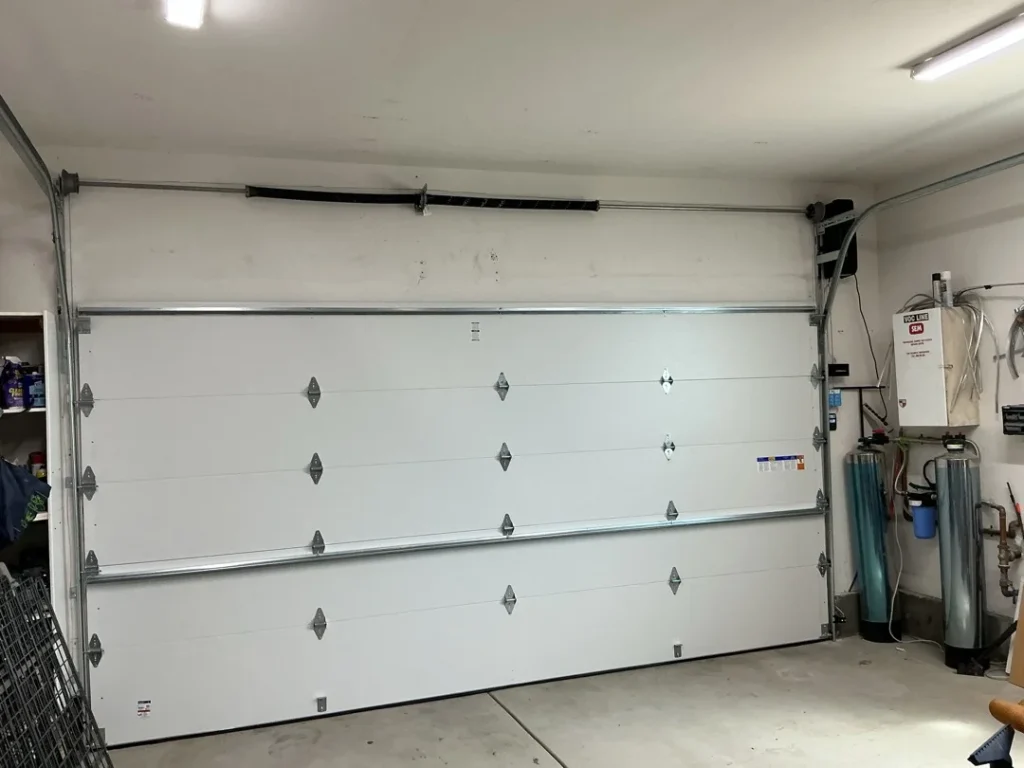
Summer break is one of the best times of the year for kids. No schedules, no homework, and plenty of time to play. But for San Diego homeowners, it is also the season when one of the most overlooked safety risks in the house gets used more than ever: the garage door. It is the largest moving object in most homes, weighing anywhere from 130 to 350 pounds, and it runs on a system of springs, cables, and rollers that are under constant tension. Regular garage door maintenance is essential to keep these parts working safely.
When kids are home all day, and the garage becomes a revolving door for bikes, scooters, and outdoor gear, the chance of a hazard-related incident goes up considerably. Worn parts, misaligned sensors, or skipped garage door maintenance can increase the risk of sudden failure or unsafe operation.
Moving Panels Can Trap Little Hands Faster Than You Think
Garage door panels are connected by hinges that fold as the door moves along the track, creating pinch points that can close quickly and with significant force. Adults know to keep their hands clear, but younger kids often do not, and when children are running in and out of the garage multiple times a day, it only takes a second for a curious hand to get caught between moving panels.
What to Do
- Teach children to stand at least six feet away from the door while it is in motion.
- Never allow kids to touch the door panels while the door is moving
- Check that all hinges are tight and that no panels are loose or misaligned, as these conditions increase the pinch risk
For a broader look at everything homeowners should be doing to keep their garage safe this season, the complete checklist is in Kids Home for Summer? Don’t Skip Garage Door Maintenance.
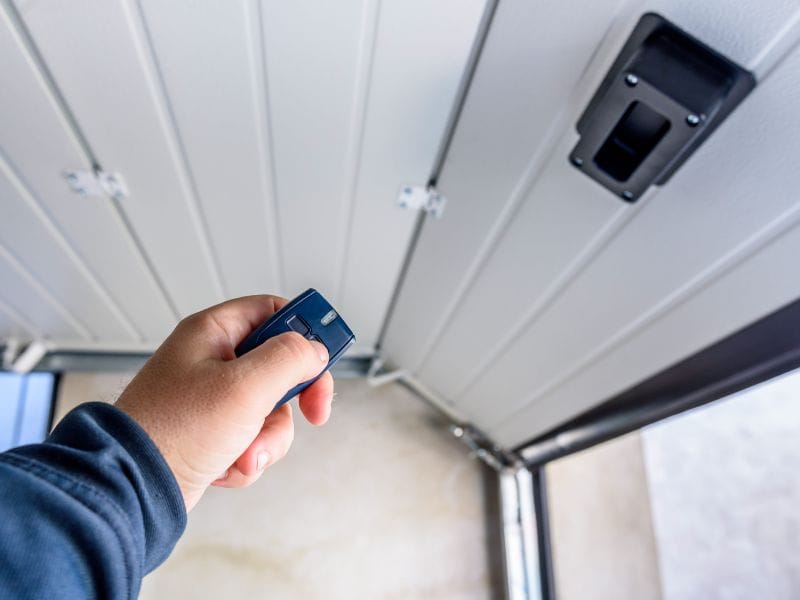
Remote Controls and Wall Buttons Become Safety Hazards in the Wrong Hands
During summer, kids are home for longer stretches of the day and have access to more of the house. Garage door remotes left in cars, on countertops, or clipped to a visor become easy to find and easy to misuse. Young children who discover a remote will press the button repeatedly out of curiosity, and a child who hits the close button while someone is standing in the doorway or playing near the base of the door creates a dangerous situation in seconds.
What to Do
- Store all garage door remotes in a secure location that young children cannot reach.
- Consider installing a keypad lock cover over the wall button when it is not in use.
- Program rolling-code security features on your opener if it does not already have them, which prevents outside devices from triggering the door.
- Remind older children that the garage door button is not something to press casually or repeatedly.
Worn or Misaligned Safety Sensors Create a False Sense of Security
Photoelectric safety sensors near the base of the door are required on all openers manufactured after 1993, but they can become misaligned, dirty, or damaged without the homeowner noticing. During summer, when the garage floor sees more foot traffic and activity, sensors are more likely to get bumped or knocked out of position, giving the impression of safety without actually providing it.
What to Do
- Test the sensors monthly during summer by placing a flat object in the door’s path and pressing it closed. The door should stop and reverse within two seconds.
- Clean the sensor lenses with a dry, soft cloth every few weeks.
- Check that both sensor lights are solid, not blinking, before each use.
- If a sensor light is blinking or off, do not use the door until a technician has inspected it.
Broken or Worn Springs Are a Serious Risk Near Children
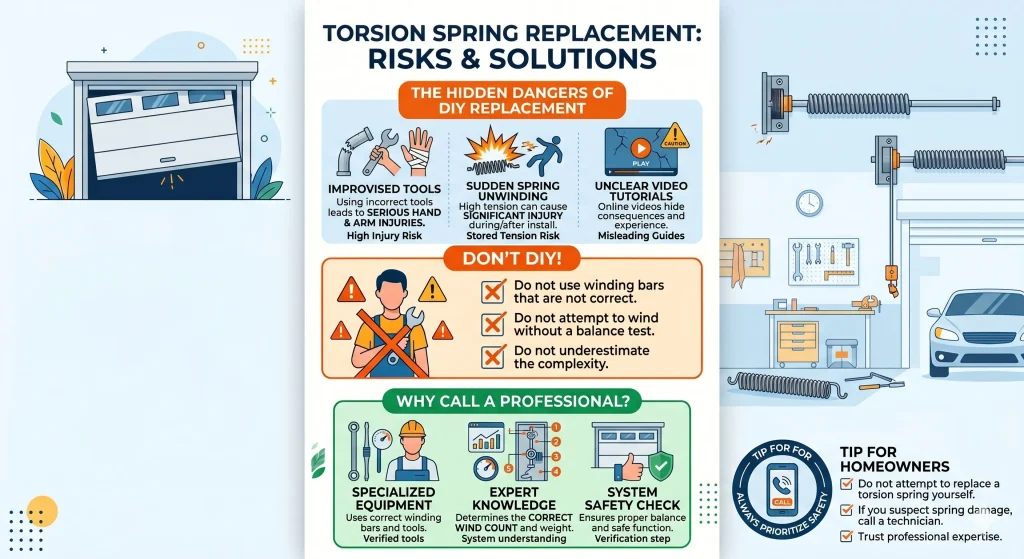
Garage door springs that are already near the end of their rated lifespan can fail without warning, and when they do, the release of tension is sudden and forceful.
A broken torsion spring above the door can send metal fragments in multiple directions. A snapped extension spring along the side of the door can whip and cause serious injury to anyone nearby. These are not common events, but they are serious enough that homeowners should be aware of the signs before a failure occurs.
What to Look For
- Visible gaps or separation in a coiled torsion spring above the door
- A spring that looks stretched out, uneven, or thinner in certain sections
- A door that opens unevenly or leans to one side
- A loud bang from the garage that sounds like a gunshot, which is often the sound of a spring breaking
What to Do
- Never attempt to repair or replace a spring yourself
- If you notice any of the warning signs above, stop using the door and call a technician
- Schedule a professional inspection before summer to assess the spring condition and remaining cycle life
Garage door springs are rated for a specific number of cycles. As discussed in our article on Why Your Garage Door Needs Attention When Kids Are Home, summer significantly increases the daily cycle count for most households.
Frayed Cables Can Snap Without Warning
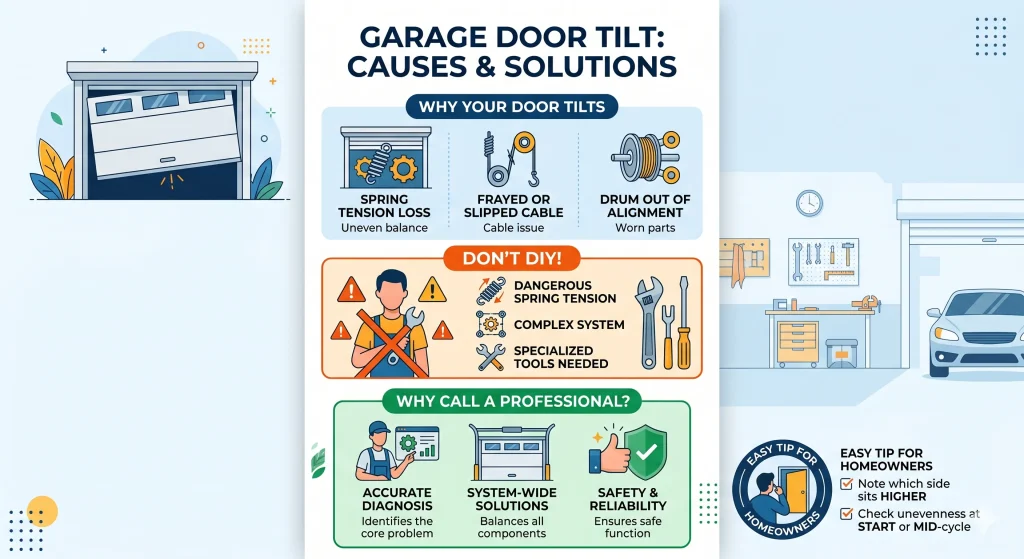
The cables on a garage door work alongside the springs to support the full weight of the door as it moves, and when one frays or snaps, the door can drop suddenly on one side or fall completely. During summer, cables that are already showing wear face more stress from increased usage and heat, meaning a cable that might have held on under normal conditions can fail sooner when the door is cycling twice as often in elevated temperatures.
What to Look For
- Visible fraying, kinking, or unraveling anywhere along the cable length
- A door that looks uneven or tilted when partially open
- Slack in one cable while the other appears tight
- A scraping or dragging sound during operation that was not there before
What to Do
- Inspect the cables visually every month during summer, looking from a safe distance without touching them.
- Never operate the door if a cable appears damaged.
- Cable replacement is not a DIY task. Contact a technician for safe garage door repair before the issue worsens or causes further damage to the system.
The Spruce’s guide to troubleshooting common garage door problems covers cable wear as one of the most frequently missed warning signs, with clear descriptions of what to look for before a failure occurs.
Garage Floor Becomes a Hazard Zone With More Summer Activity
Bikes, scooters, skateboards, sports bags, and outdoor toys tend to accumulate on the garage floor during summer, and they create real hazards for both the door system and the people using it. Objects left in the door’s path can partially break the sensor beam without fully stopping the door, items caught under the door can damage the weatherstripping or bottom panel, and clutter near the tracks can cause the door to bind or move unevenly.
What to Do
- Establish a clear zone of at least three feet on either side of the garage door path where nothing is stored.
- Make tidying the garage floor a regular part of the summer routine, especially near the door.
- Check that nothing is resting against or leaning on the door tracks.
- Teach kids that the area directly under and around the door is not a storage space.
Automatic Openers Without Modern Safety Features Put Kids at Greater Risk
Older garage door openers, particularly those manufactured before 1993, may not have the auto-reverse feature or photoelectric sensors that are standard on modern units. During summer, when children are around the garage more often, an opener that lacks proper safety features is a significant liability since it will not stop if a child is in the door’s path.
What to Do
- Check the manufacturer’s date on your opener unit, usually printed on a label on the motor housing.
- If your opener is more than 15 years old, have a technician evaluate whether it meets current safety standards.
- Consider upgrading to a modern opener with rolling-code technology, battery backup, and automatic reversal.
- In the meantime, never allow children to stand under or near the door while it is in motion.
Staying Ahead of Summer Hazards Starts With a Service Schedule
Knowing the hazards is the first step. The second step is making sure your garage door system is in good enough shape to perform safely all season long. A worn spring, a dirty sensor, or a frayed cable does not repair itself, and summer is the worst time to find out something was already failing.
Scheduling a professional inspection before the season gets busy is the most effective way to catch these issues early. For help figuring out how often to bring in a technician and what that service should cover, read How Often to Service Your Garage Door This Summer Season.
The International Door Association’s care and maintenance guidelines explain what a qualified technician should assess during each visit and how to find a professional who meets industry standards.
A Safe Garage Door Is Part of a Safe Summer
Summer should be about enjoying time with your family, not dealing with avoidable accidents or emergency repairs. The hazards covered here are real, but they are also largely preventable with regular inspection, smart habits, and timely professional service. San Diego families have enough to think about during summer break, and your garage door should not be one of the worries.
Bradbury Garage Doors is ready to help when something looks off or you want peace of mind before the season gets into full swing. Contact us today, or give us a call, and our team will make sure your garage door is safe and reliable all summer long.
Frequently Asked Questions
What should I do if my child gets a finger caught in the garage door panels?
Seek medical attention immediately, as pinch injuries can cause damage that is not visible right away. After getting medical care, have a technician inspect the door to confirm it is operating correctly and that no safety features were compromised.
Can I adjust the auto-reverse sensitivity on my garage door opener myself?
Many openers have adjustment screws for up-force and down-force sensitivity covered in the owner's manual, but if cleaning the sensors does not resolve the issue, it is safer to have a technician recalibrate the settings to confirm they meet safety standards.
How do I know if my garage door opener has rolling-code security?
Most openers manufactured after 1996 use rolling-code technology, which changes the access code with every use. Check your owner's manual or look up your opener model, and a technician can confirm the security features during a routine inspection if you are unsure.
Are extension springs more dangerous than torsion springs?
Extension springs are generally considered higher risk because they run along the sides of the door and can whip violently when they snap. Older systems without safety cables threaded through the extension springs should be updated by a technician.
What is the safest type of garage door for a home with young children?
A modern opener with photoelectric sensors, auto-reverse, rolling-code security, and battery backup offers the strongest safety features for families. Opener technology matters more than door material when it comes to child safety.
Can a garage door close on a pet if the sensor beam is too high off the ground?
Yes, standard sensors are mounted a few inches off the ground, which means a small pet or young toddler could pass under the beam without triggering it. A technician can advise on adding a second set of sensors at a lower height for added protection.
How often should I test the auto-reverse feature during the summer?
Testing once a month during summer is a reasonable standard, especially if children are using the garage frequently. The test takes less than two minutes and confirms the most critical safety feature on the door is working correctly.
What happens if the garage door drops suddenly due to a cable failure?
A sudden drop can cause serious damage to anything underneath it, including a vehicle or a person. Do not attempt to use or lift the door manually. Call a technician to assess the spring and cable condition before operating it again.
Is it worth installing a garage door monitor or smart alert system for summer?
A smart garage door monitor can alert you on your phone if the door has been left open, which is useful when kids are going in and out all day. These devices do not replace physical maintenance but add a helpful layer of awareness during a high-traffic season.