
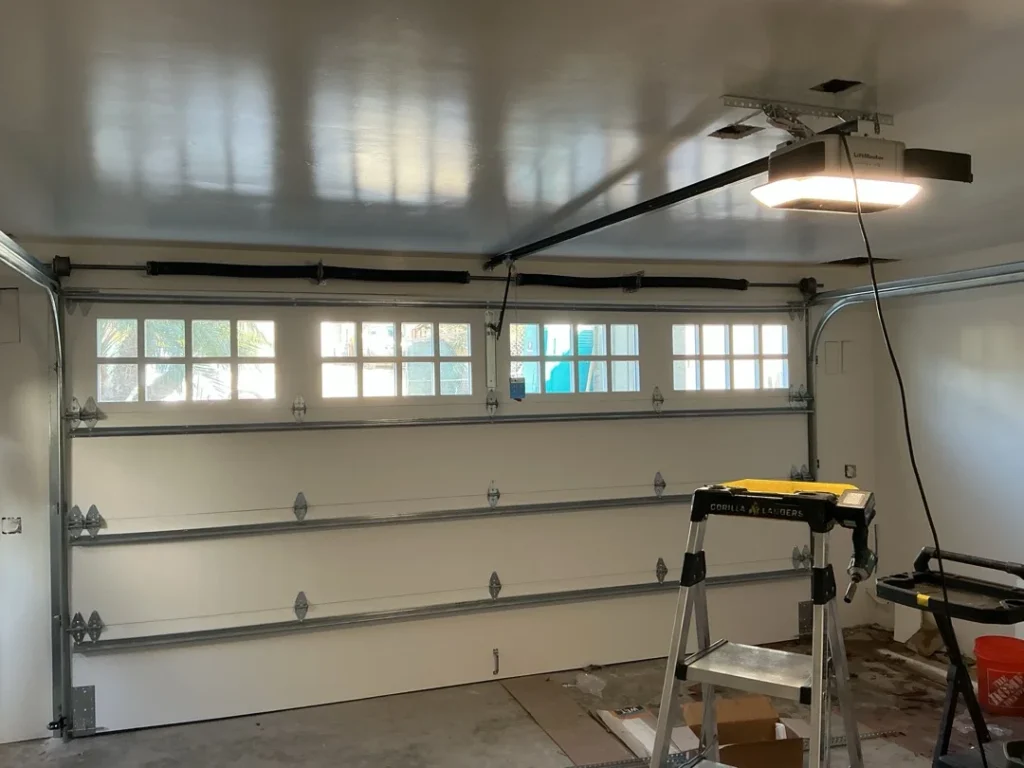
There is a question most homeowners never think to ask until something goes wrong: When was the last time the garage door was actually serviced? For many households, the honest answer is never. The door opens, the door closes, and as long as that keeps happening, it stays off the radar. But summer changes that equation fast. In San Diego, kids are home, the garage sees more daily use than any other time of year, and the heat adds extra stress to the system. Regular garage door maintenance during this season helps prevent unexpected issues.
A garage door does not always warn you before it fails. It can simply stop working when you least expect it. Most experts recommend garage door maintenance at least once a year, with an additional check before or during summer if usage is high. Servicing should include inspecting springs, cables, rollers, tracks, and safety sensors to keep everything operating safely and smoothly.
Start With a Full Inspection Before Summer Begins
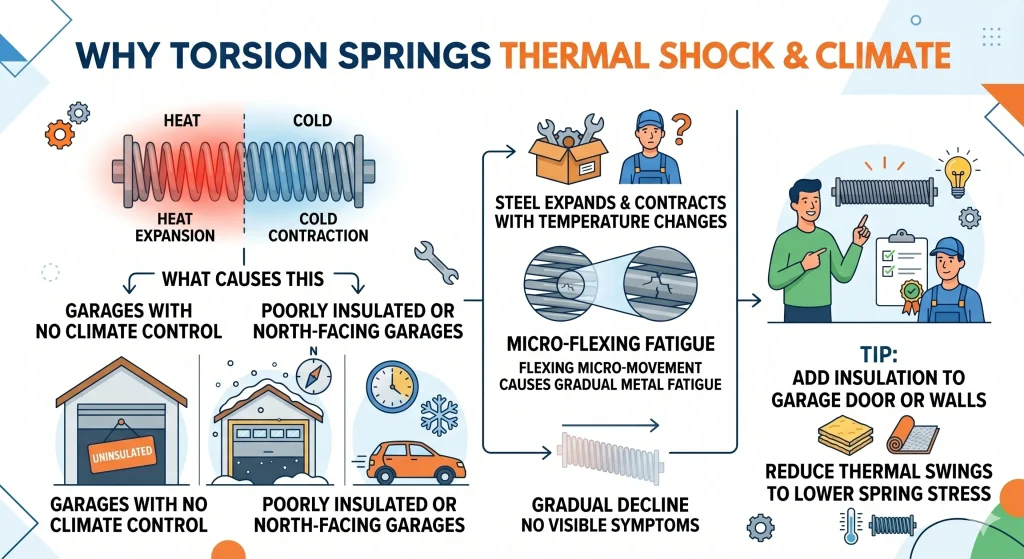
The best time to service your garage door is before the heavy usage starts, not after something breaks. Think of it the same way you would a vehicle service before a long road trip. A pre-summer inspection gives a technician the chance to catch worn parts, low lubrication, and alignment issues before they turn into failures during the busiest months of the year.
What a Pre-Summer Inspection Should Cover
- Spring condition and remaining tension
- Cable wear and alignment
- Roller condition and track cleanliness
- Lubrication of all moving parts
- Safety sensor alignment and function
- Auto-reverse test
- Opener motor performance and drive mechanism condition
- Weatherstripping and bottom seal integrity
Summer increases the demand on your garage door system. To learn more, read Kids Home for Summer? Don’t Skip Garage Door Maintenance.
Schedule a Professional Service Visit Once a Year at a Minimum
The industry standard for residential garage door maintenance is at least one professional service visit per year, which is enough to catch developing issues, replace worn components, and keep the system running safely. However, one visit per year assumes average usage, and summer in San Diego is not average usage. When kids are home, and the door is cycling significantly more than usual, the wear that would normally accumulate over twelve months can build up in a much shorter window.
When to Increase Service Frequency
Consider scheduling a second professional visit during or after summer if any of the following apply:
- Your household has three or more children who use the garage regularly
- The door is being used more than ten times per day during the summer
- Your garage door system is more than seven years old
- You have noticed new noises, slower movement, or any changes in how the door operates
- The door failed or needed a garage door repair within the past twelve months
Do These Homeowner Checks Every Month During Summer
Professional service visits handle the technical work, but there are several checks every homeowner can do on their own throughout the summer. These monthly checks take about ten minutes total and can flag issues early enough to address them before they become urgent.
Monthly homeowner checks:
- Auto-reverse test. Place a flat 2×4 on the ground in the door’s path and press close. The door should stop and reverse within two seconds of contact. If it does not, stop using the door and call a technician.
- Sensor check. Look at both sensor lights near the base of the door. Both should be solid, not blinking. Wipe the lenses with a dry cloth if they appear dusty.
- Visual spring inspection. From a safe distance, check the torsion spring above the door for any visible gaps, rust, or uneven coiling. Do not touch the spring.
- Cable check. Look at the cables on either side of the door for fraying, kinking, or slack. If anything looks off, call a technician before operating the door again.
- Noise and movement check. Run the door through one full open and close cycle and listen for new sounds. Grinding, scraping, or rattling that was not there before is worth investigating.
- Track and roller check. Look along the tracks for debris, dents, or misalignment. Check that the rollers are sitting evenly in the track as the door moves.
Lubricate the Moving Parts Every Three to Six Months
Lubrication reduces friction on every moving part and cuts down on noise with each cycle, making it one of the simplest ways to extend the life of your garage door system. Heat accelerates lubricant breakdown during summer, so for most San Diego households, every three to six months is the right schedule, with the shorter interval applying when temperatures and daily usage are at their highest.
What to Lubricate and What to Use
Parts that need regular lubrication:
- Hinges along each panel section
- Rollers, particularly steel rollers rather than nylon
- Torsion spring above the door
- Bearing plates on each side of the spring
- The opener’s drive chain or screw, if applicable
This Old House’s breakdown of all about garage doors explains how each moving component connects to the others, which helps clarify why keeping every part properly lubricated has a direct effect on the lifespan of the entire system.
Test the Manual Release Every Season
What It Is and Why It Matters
Every automatic garage door opener has a manual release cord, typically a red handle that hangs from the trolley rail above the door, which disconnects the door from the opener so it can be moved by hand during a power outage or opener failure. Most homeowners have never tested this feature, and summer is a practical time to do it since power demands in San Diego can occasionally cause outages during peak heat months.
How to Test It
- Close the door fully before testing
- Pull the red release cord firmly downward until you feel it disengage
- Try lifting the door by hand to about waist height, then let go
- A properly balanced door will stay in place or drift only slightly
- If the door drops quickly or feels extremely heavy, the spring balance needs professional attention
- Re-engage the opener by pulling the release cord back toward the door or pressing the opener button to reconnect automatically
Replace Weatherstripping When It Shows Wear
In San Diego, where UV exposure is high year-round, weatherstripping degrades faster than in cooler climates, and a seal installed three to five years ago may already be cracking, flattening, or pulling away from the door. Summer is a good time to inspect it since gaps become more obvious when warm air, dust, pests, and moisture are actively finding their way in.
Signs It Needs Replacing
- Cracks or tears anywhere along the seal length
- Sections that have pulled away from the door bottom or frame
- Visible light coming under or around the door when it is fully closed
- A door that no longer sits flush against the garage floor when closed
Bob Vila’s guide on how to choose a garage door also covers door materials and their vulnerability to UV exposure and heat, which helps explain why weatherstripping on San Diego homes tends to degrade faster than manufacturers’ estimates suggest.
Know When It Is Time to Call a Technician Between Scheduled Visits
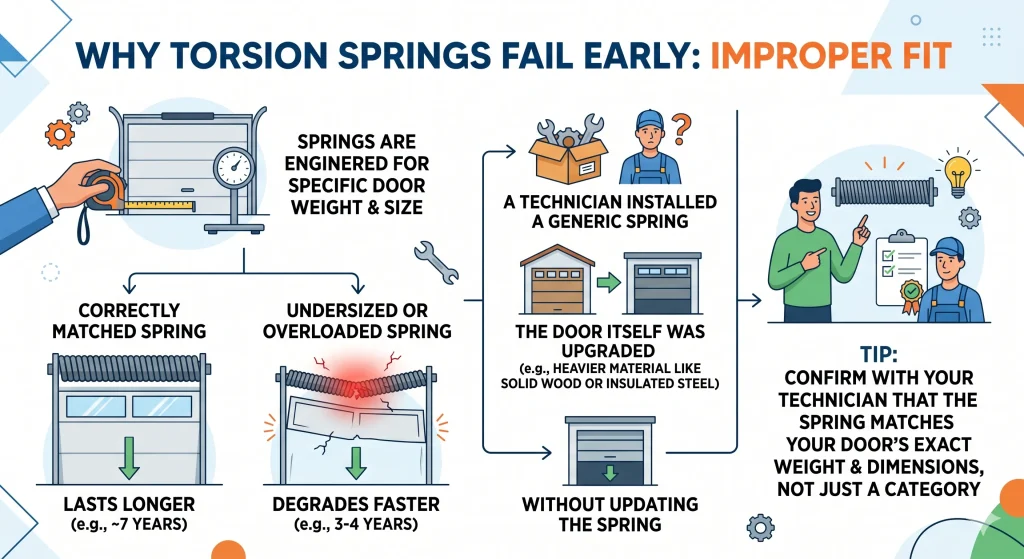
A set service schedule is a good foundation, but it should not stop you from calling a technician when something changes. Summer usage can accelerate wear in ways that are not predictable, and waiting until the next scheduled visit when a problem is already showing can turn a minor repair into a major one.
Call a technician promptly if you notice any of the following between scheduled service visits:
- A loud bang or snap from inside the garage
- The door is moving unevenly or sitting at an angle when partially open
- Any visible damage to garage door springs, cables, or rollers
- The door fails to reverse when the auto-reverse test is performed
- The opener is running, but the door is not moving
- New grinding, scraping, or rattling sounds that lubrication does not resolve
- The door stops partway through a cycle without any obstruction
These are not situations to monitor and see what happens. Each one points to a specific mechanical issue that gets more expensive to repair the longer it goes unaddressed.
Understanding the specific risks that come with high summer usage is part of staying ahead of problems.
For more on what makes summer particularly demanding on garage door components, read Why Your Garage Door Needs Attention When Kids Are Home.
Build Your Summer Garage Door Service Schedule
Pulling everything together into a simple schedule makes it easy to stay on top of maintenance without having to remember every individual task.
Recommended summer service schedule for San Diego homeowners:
- Before summer: Professional inspection covering springs, cables, rollers, sensors, opener, and lubrication
- Monthly throughout summer: Homeowner checks including auto-reverse test, sensor inspection, visual spring and cable check, and noise assessment
- Every three months: Full lubrication of hinges, rollers, springs, and bearing plates
- Once per season: Manual release test
- As needed: Weatherstripping inspection and replacement
- Mid-summer: Second professional visit if the household has high usage, an older system, or any new signs of wear
If you want to understand the hazards that come with increased activity around the garage during summer break, the full breakdown is in Garage Door Hazards That Spike When Kids Are Home All Summer.
A Simple Schedule Is All It Takes to Stay Ahead
Most garage door failures during summer are not sudden. They are the result of gradual wear that was never addressed because the homeowner did not know what to check or how often to check it. A consistent service schedule is not complicated or time-consuming. It is a small investment of attention that pays off in reliability, safety, and lower repair costs over time, especially during a season as long and active as summer in San Diego.
Bradbury Garage Doors knows what it takes to keep a garage door running safely through the busiest months of the year. Contact us today, or give us a call, and we will make sure your garage door is ready for everything summer brings.
Frequently Asked Questions
Is it safe to lubricate the garage door myself, or should a technician do it?
Lubrication is one of the few maintenance tasks most homeowners can handle safely on their own using a silicone or lithium-based spray on the hinges, rollers, springs, and bearing plates. Avoid applying it to the tracks, and if you are unsure where to start, a technician can walk you through it during a service visit.
What is the difference between a tune-up and a full service visit?
A tune-up covers lubrication, basic adjustments, and a visual inspection, while a full service visit goes deeper with spring tension testing, cable assessment, opener diagnostics, and sensor calibration. For households with high summer usage, a full-service visit is worth scheduling at least once a year.
Can I use any lubricant on my garage door, or does it matter what type I use?
It matters. Use a lithium-based grease or silicone spray made specifically for garage door systems, as general-purpose sprays attract dust and grime over time and increase wear rather than reducing it.
How do I know if my garage door needs service or a full replacement?
If the door is less than 15 years old and issues are limited to specific components like springs or rollers, service is usually the more practical route. If the door is older, has damage across multiple panels, or has needed repeated repairs in a short period, discuss replacement options with a technician.
Does a newer garage door still need regular service?
Yes, even a recently installed garage door needs routine maintenance, including lubrication, sensor testing, and a professional check after the first year. Skipping maintenance on a new door can void the manufacturer's warranty.
What causes a garage door to slow down over time?
The most common causes are insufficient lubrication, worn rollers, weak spring tension, or an aging opener motor. A technician can identify the specific cause and address it before the door stops working entirely.
Should I service my garage door more often if I work from home?
Yes, working from home increases the daily cycle count on your garage door system the same way having kids home during summer does. If the garage is being used heavily on a daily basis, moving to a twice-yearly professional service schedule is a smart step.
What is the average cost of a garage door service visit?
Costs vary depending on the scope of work and whether any parts need to be replaced, so a technician can provide an accurate estimate after an initial inspection.
Can I extend the life of my garage door by servicing it more frequently?
Yes, regular lubrication, timely parts replacement, and annual professional inspections all contribute to a longer lifespan for the entire system. The more common issue is under-maintenance, which causes parts to wear out faster than they should.