
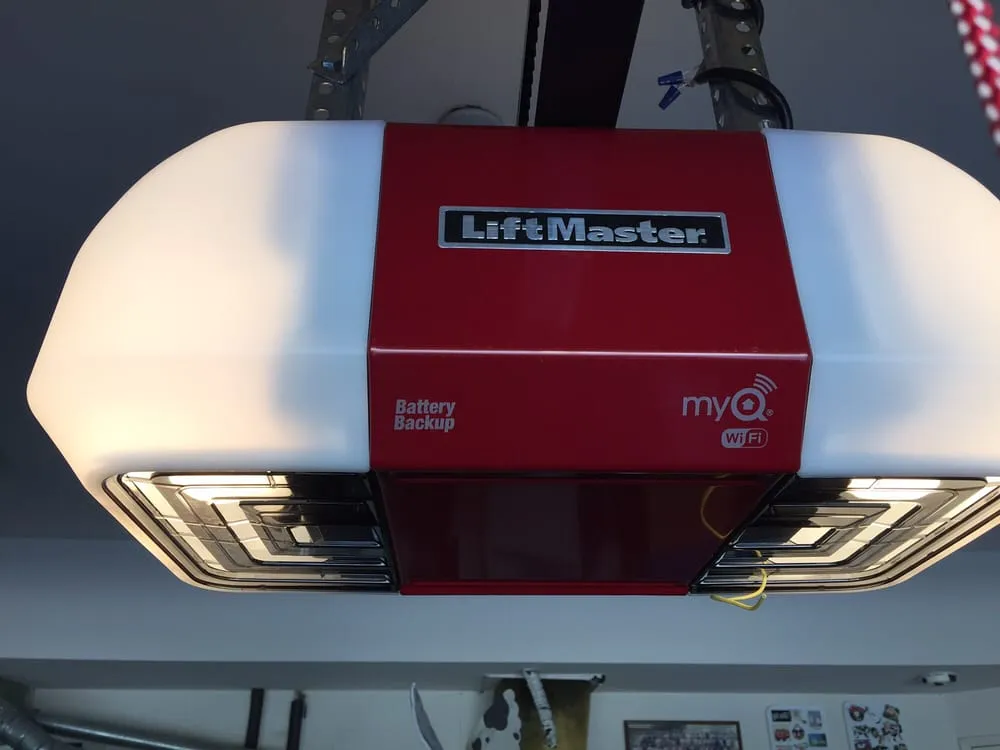
A quiet garage door opener is usually a belt drive or direct current motor model that uses soft start and soft stop technology to reduce vibration and sound. These openers run smoother than older chain drive systems, which makes them a strong choice for attached garages in San Diego, where noise can easily travel into bedrooms and living spaces. In this guide, we will break down what actually makes an opener quiet, which features to check before you buy, and simple habits that help keep noise levels low over time.
Whether you are dealing with a noisy opener right now or planning ahead for a new install, this list will help you understand your options without needing an engineering degree to follow along. We will also touch on how noise is typically measured, since decibel ratings on product listings can be confusing if you have never shopped for an opener before.
What Makes a Garage Door Opener Quiet
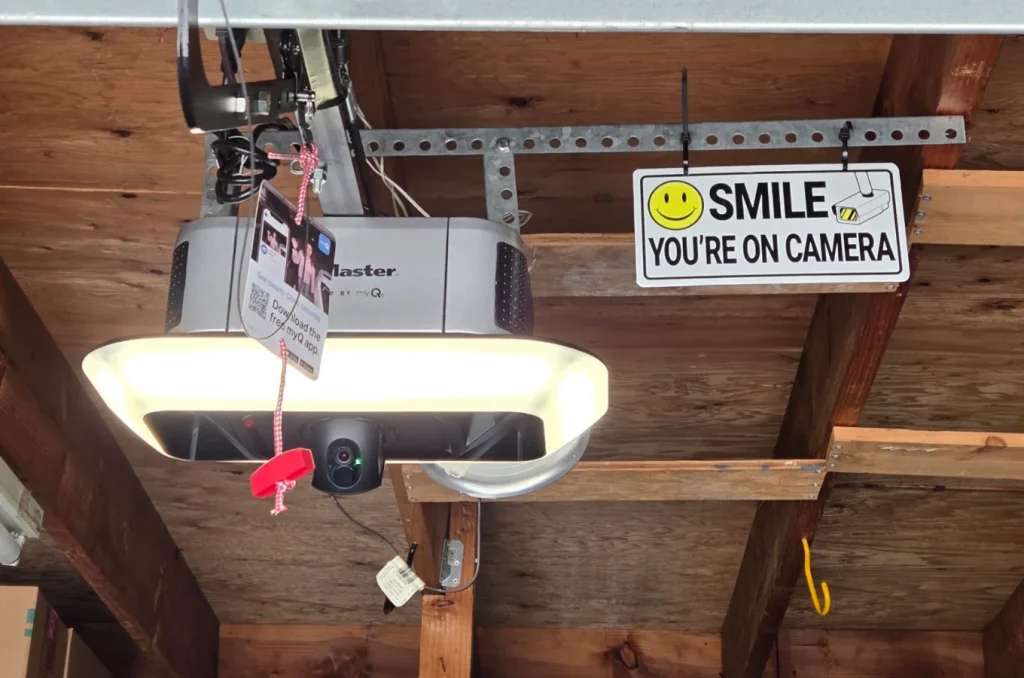
Noise level comes down to a few key factors: the drive system, the motor type, and how well the moving parts are maintained. Understanding these basics makes it much easier to compare openers side by side.
Belt Drive Versus Chain Drive Noise Levels
The drive system is the biggest factor in how loud an opener runs.
- Belt drive openers use a rubber belt, which moves smoothly and creates very little vibration.
- Chain drive openers use a metal chain, which tends to rattle against the rail as it moves.
- Screw drive openers fall in the middle, quieter than chains but noisier than belts.
If you want to compare every option in detail, our breakdown of Garage Door Opener Types and How Noisy Each One Gets covers each drive system side by side.
Motor Type and Vibration Control
The motor itself also plays a big role in the overall sound.
- DC motors run quieter than older AC motors because they start and stop gradually instead of jerking into motion.
- Openers with rubber mounting brackets absorb vibration before it travels into the ceiling or walls.
- Higher-quality gears tend to produce less grinding noise over time.
- A well-balanced door also reduces strain on the motor, which cuts down on extra noise.
- Regular inspection of the motor housing can catch loose components before they start rattling.
Top Features to Check When Choosing a Quiet Garage Door Opener
Beyond the drive system, a few extra features make a real difference in day-to-day noise. These are the details worth checking before you select the best garage door opener for your home, since the wrong match can lead to avoidable garage door repair down the road.
Soft Start and Soft Stop Technology
This feature controls how gradually the door speeds up and slows down.
- Soft start reduces the jolt when the door begins moving.
- Soft stop prevents the loud bang that happens when a door reaches the top or bottom too fast.
- Openers with this feature tend to last longer since there is less stress on the mechanical parts.
Horsepower and Noise Balance
More power does not always mean more noise, but it does need to match your door.
- A door that is too heavy for its opener will strain the motor and get louder over time.
- Standard residential doors usually pair well with a half horsepower to one and a quarter horsepower unit.
- An opener that is properly matched to the door weight tends to run smoother and quieter.
- Checking your door’s weight rating before buying an opener can prevent this issue entirely.
- Insulated doors are often heavier than standard doors, so double-checking the spec sheet helps avoid straining the motor later.
Best Quiet Garage Door Opener Brands and Models
Several brands have focused heavily on noise reduction in recent years, especially as smart home features have become more common in San Diego neighborhoods.
Smart Garage Door Openers Built for Quiet Performance
Smart openers often pair quiet motors with useful monitoring features.
- Many smart models include soft start and soft stop as a standard feature, not an upgrade.
- App alerts let a homeowner check the door status without needing to walk out and check manually.
- Some models include noise settings that allow quieter operation during early morning or late night hours.
Our guide on How Smart Garage Door Openers Cut Down on Noise goes deeper into how this technology actually works.
LiftMaster and Other Trusted Brands
LiftMaster is one of the most recognized names in the industry, and for good reason.
- Their belt drive and DC motor models are known for consistently quiet performance.
- Other trusted brands like Chamberlain and Genie also offer belt drive options with similar noise control.
- Warranty length and parts availability can vary by brand, so it helps to inspect what local support looks like in your area.
If you want a closer look at model differences, read LiftMaster Garage Door Opener Models and What Sets Them Apart.
Common Noise Problems and What They Might Mean
Not every noisy opener needs to be replaced. Sometimes the issue is wear and tear rather than the opener itself.
Grinding or Rattling Sounds
These sounds usually point to a mechanical issue rather than a design flaw.
- Grinding often means worn gears inside the motor unit.
- Rattling is common with chain drive systems as the chain loosens over time.
- Loose mounting hardware can also cause rattling that sounds worse than it actually is.
Loud Vibrations During Operation
Vibration issues are often easier to inspect than they seem.
- Check whether the mounting brackets are still tightly secured to the ceiling.
- A door that is out of balance can cause the opener to work harder, which increases vibration.
- Rollers that are worn down or dry can also add extra noise during movement.
Industry groups like the Door and Access Systems Manufacturers Association publish general safety and performance guidance for garage door openers, which is a useful reference if you want to understand manufacturer-recommended standards before making changes yourself.
How San Diego Homeowners Can Keep Their Opener Running Quietly
San Diego’s mild climate is actually kind to garage door equipment, but coastal humidity near the water can still affect moving parts over time. A bit of consistent garage door maintenance is usually all it takes to keep an opener running quietly through every season.
Regular Inspection and Lubricant Tips
Routine checks go a long way toward keeping noise levels low.
- Inspect rollers, hinges, and tracks every few months for buildup or wear.
- Apply lubricant to moving metal parts, but avoid the motor itself.
- Check that the door remains balanced, since an unbalanced door strains the entire system.
When to Call a Professional
Some noise issues are best left to a trained expert rather than handled solo.
- Persistent grinding or slipping sounds usually signal a part that needs professional inspection.
- Loud vibration paired with slow movement can point to a motor issue that requires trained hands.
- If a quick inspection does not resolve the noise, it is worth having a professional technician take a closer look before the issue gets worse.
For a broader comparison of opener styles available on the market, Angi’s overview comparing garage door opener styles is a solid outside resource for homeowners still deciding between options.
How Noise Levels Are Measured and What to Expect
Product listings often mention decibel numbers, but those figures do not always tell the full story on their own. Knowing how to read them helps you compare openers more accurately.
Decibel Ranges for Common Openers
Understanding rough decibel ranges makes shopping much easier.
- Belt drive and DC motor openers typically fall between 50 and 55 decibels, close to a quiet conversation.
- Standard chain drive units often run between 60 and 70 decibels, closer to normal household noise.
- Decibel levels can shift slightly depending on installation quality and door balance.
- Manufacturer ratings are usually measured under controlled conditions, so real-world noise can vary a bit.
What Quiet Really Means in Product Listings
The word quiet gets used loosely in marketing, so it helps to inspect the details behind the claim.
- Look for a specific decibel range rather than a general claim of being quiet.
- Check whether the rating includes the motor only or the full opening and closing cycle.
- Compare listed features like soft start and soft stop rather than relying on marketing language alone.
Your Path to a Quieter Garage Starts Here
A quiet garage door opener is not just about comfort. It also tends to signal a well-maintained system that is less likely to run into bigger mechanical issues down the road. Whether you choose a belt drive model, a smart opener, or a trusted brand like LiftMaster, the right choice comes down to matching the opener to your door and staying on top of basic inspection over time. Taking the time to compare decibel ratings and drive types now can save you from dealing with a frustrating noise problem later.
If your current opener is louder than it should be, or you are ready to select a quieter model for your San Diego home, Bradbury Garage Doors is here to help. Our team has spent years helping local homeowners select and maintain garage door equipment that fits their specific home and budget. Contact us today, or give us a call to talk through your options with a team that understands exactly what makes a garage door opener run quietly and reliably for years to come.
Frequently Asked Questions
Is a belt drive opener quieter than a chain drive?
Yes, belt drive systems use a rubber belt instead of metal chain links, which significantly reduces vibration and noise.
Do smart garage door openers reduce noise?
Many smart openers include soft start and soft stop technology as a standard feature, which helps lower overall noise during operation.
How loud should a normal garage door opener be?
Most modern openers run between 50 and 65 decibels, similar to a normal conversation, though older chain models can run louder.
Can I make a noisy garage door opener quieter without replacing it?
In some cases, tightening hardware and applying lubricant to moving parts can reduce noise, but ongoing grinding usually points to a part that needs professional inspection.
Does horsepower affect how loud an opener is?
Horsepower itself does not directly cause noise, but an opener that is underpowered for a heavy door will strain and run louder over time.
Are LiftMaster openers considered quiet?
Yes, LiftMaster's belt drive and DC motor models are widely recognized for smooth, low-noise operation.
How often should a garage door opener be inspected for noise issues?
A basic inspection every three to four months helps catch wear before it turns into a bigger noise or mechanical problem.
Does temperature affect how loud a garage door opener sounds?
Extreme temperature swings can affect lubricant thickness and metal expansion, which sometimes leads to temporary noise changes.
Is a quiet garage door opener worth the extra cost?
Cost can vary depending on brand and features, but many homeowners find the added comfort and reduced strain on the system worthwhile over time, especially with an attached garage near living spaces.