
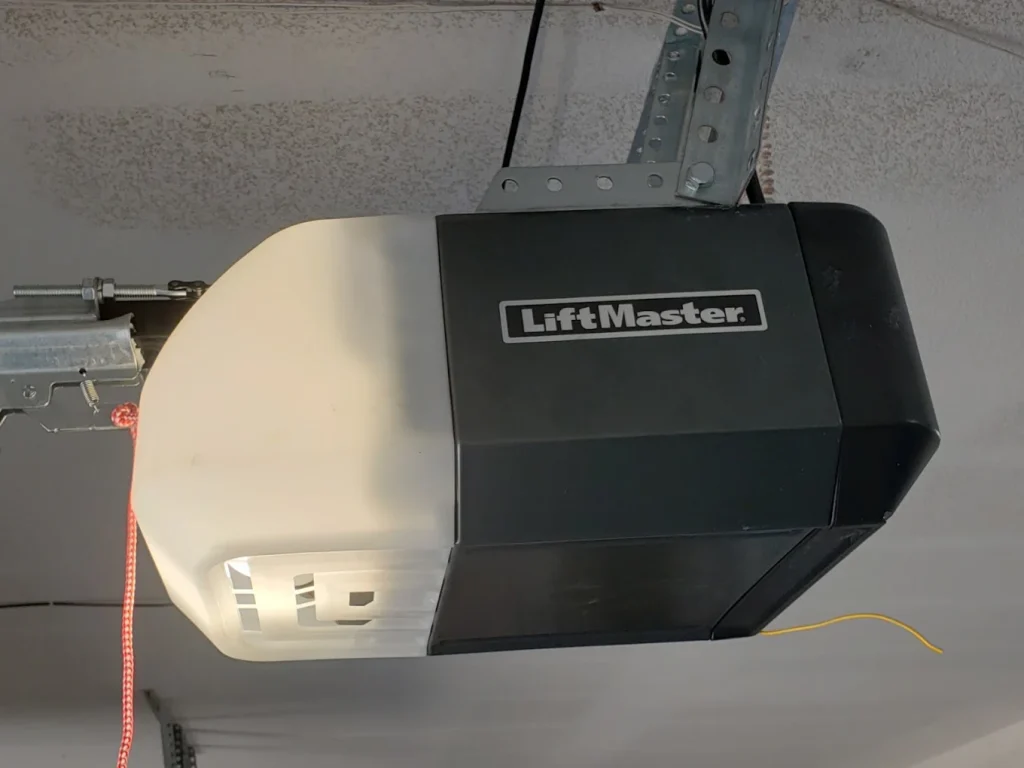
Garage door openers come in a handful of main types, and each one produces a different level of noise based on how it moves the door. Chain drive is the loudest option, belt drive is the quietest, and screw drive and direct drive fall somewhere in between, depending on the model. Knowing these differences ahead of time makes it much easier to choose a garage door opener that fits your home, especially in San Diego neighborhoods where garages often sit close to living spaces.
This guide walks through each type, how they perform over time, and what tends to affect noise levels beyond the drive system itself. We will also look at how installation quality and door weight can change how loud any of these openers sound once they are actually running.
A Quick Look at Garage Door Opener Types
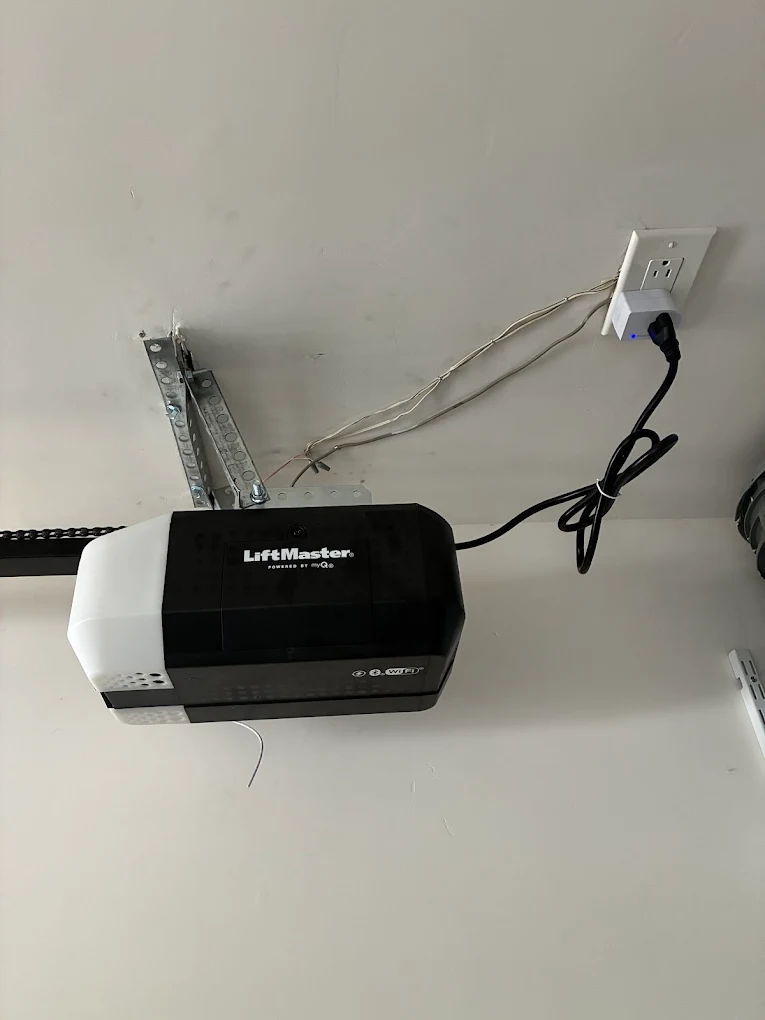
Before comparing noise levels, it helps to understand what separates each opener type mechanically.
Chain Drive Openers
The chain drive is the most common opener type found in older homes.
- Uses a metal chain to pull the door along a rail, which creates a rattling sound during movement.
- Tends to be the most affordable option, though cost can vary by brand and horsepower.
- Requires regular lubricant on the chain to reduce friction and extend its lifespan.
- Best suited for detached garages where noise is less of a concern.
- Tension often needs adjusting every year or two to keep rattling under control.
Belt Drive Openers
Belt drive openers use a reinforced rubber belt instead of metal.
- Produces significantly less vibration and noise compared to chain drive systems.
- A strong choice for attached garages, especially below or beside a bedroom.
- Belts generally hold up well over time with minimal upkeep required.
- Often paired with DC motors, which adds to the smoother, quieter operation.
- A common upgrade choice for homeowners is replacing an aging chain drive system.
If you want the full picture on what actually makes an opener quiet in the first place, our guide on What Is the Most Quiet Garage Door Opener? breaks down the core factors in more detail.
Screw Drive and Direct Drive Openers Explained
These two types are less common than chain or belt drive, but each has specific strengths worth understanding.
Screw Drive Noise and Performance
Screw drive openers use a threaded steel rod to move the door.
- Fewer moving parts compared to chain or belt systems, which can mean less mechanical noise overall.
- Performance can shift with temperature, since metal expansion affects how smoothly the rod turns.
- Noise level typically falls between belt drive and chain drive.
- Lubricant needs are moderate compared to chain drive systems.
Direct Drive and Jackshaft Options
Direct drive and jackshaft openers use a different mounting approach entirely.
- Direct drive openers have a stationary motor while a chain moves around it, which cuts down on vibration noise.
- Jackshaft openers mount to the wall beside the door instead of the ceiling, freeing up ceiling space entirely.
- Both types tend to run quieter than a standard chain drive setup.
- Jackshaft models are a common choice among smart garage door opener buyers who want ceiling clearance for storage.
How Drive Type Affects Long-Term Noise
Noise levels do not stay the same over the life of an opener. Wear and tear plays a bigger role than most homeowners expect.
Wear Patterns by Drive Type
Each drive type wears differently, which changes how loud it gets with age.
- Chains stretch over time, which increases rattling until the tension is adjusted.
- Belts can fray at the edges after years of use, though this happens gradually.
- Screw drive rods may need occasional lubricant to prevent grinding as they age.
- Jackshaft and direct drive systems tend to show wear more slowly since they carry less mechanical load.
Smart Features That Help Regardless of Drive Type
Smart technology can improve the experience, no matter which drive system you have.
- Soft start and soft stop features are increasingly available across belt, screw, and direct drive models.
- App-based monitoring lets you check door status without walking out to inspect it.
For a deeper explanation of how these features actually reduce sound, read How Smart Garage Door Openers Cut Down on Noise.
Additional Factors That Influence Opener Noise
Drive type sets the baseline for noise, but a few other details around the garage itself can push noise levels up or down, regardless of which opener you select. Some of these issues are simple to correct on your own, while others are better left to a garage door repair professional.
Insulation and Garage Size
The garage structure itself plays a bigger role in perceived noise than most homeowners expect.
- An insulated garage tends to absorb more sound than an open, uninsulated space.
- Smaller garages can make even a moderately quiet opener feel louder due to sound bouncing off close walls.
- Storage items on shelving near the opener can sometimes rattle in response to vibration.
Installation Quality
Even the quietest opener can sound louder than expected if it is not installed correctly.
- Loose mounting brackets are one of the most common causes of unexpected rattling.
- A rail that is not properly aligned can create extra friction and noise during operation.
- Professional installation helps confirm that hardware is torqued correctly and the door is properly balanced from day one.
How to Compare Noise Levels Before You Buy
Reading a spec sheet only tells part of the story, so it helps to know what else to check before settling on a specific opener type.
Reading Manufacturer Noise Ratings
Manufacturer listings often include a decibel figure, but the number alone does not always reflect real-world performance.
- Check whether the rating reflects the motor only or the entire open and close cycle.
- Compare ratings across a few different brands rather than relying on one listing alone.
- Look for mentions of soft start and soft stop, since these features often matter more than the decibel number itself.
Asking About Demo Units or Reviews
If a decibel number still feels abstract, a few extra steps can help clarify what to expect.
- Ask a local supplier if they have a working demo unit you can hear in person.
- Read verified customer reviews that specifically mention noise rather than general satisfaction.
- Consider asking a professional installer which types they hear the fewest noise complaints about after installation.
Choosing Between Opener Types for Your Garage
The right opener type depends on where your garage sits, how heavy your door is, and how much noise matters in your daily routine.
Matching Opener Type to Door Weight
A mismatched opener will strain regardless of drive type.
- Heavier doors need higher horsepower, and an underpowered motor will work harder and get louder.
- Insulated doors tend to weigh more than standard doors, which affects which opener type performs best.
- Checking your door’s weight rating before buying helps avoid this issue from the start.
Trusted Brands Across Each Type
Several manufacturers offer strong versions of each opener type.
- LiftMaster produces reliable options across belt, chain, and jackshaft categories.
- Chamberlain and Genie also offer competitive belt drive models with similar noise control.
According to Family Handyman’s overview of garage door types, the type of door itself also plays a role in how an opener performs, which is worth checking alongside opener type when comparing options.
For a closer look at how one leading brand compares across its own lineup, read LiftMaster Garage Door Opener Models and What Sets Them Apart.
What San Diego Homeowners Should Know Before Deciding
Local conditions in San Diego are generally easy on garage equipment, but a few factors still matter when choosing an opener type. Staying on top of garage door maintenance still plays a bigger role in long-term noise than the local climate does.
Climate and Garage Placement Factors
San Diego’s mild weather is kind to most opener types, though placement still matters.
- Garages attached to living spaces benefit most from belt drive or jackshaft options due to lower noise.
- Detached garages have more flexibility, since noise is less likely to disturb daily life inside the home.
- Coastal humidity can slowly affect metal parts, so occasional inspection is still worthwhile.
Long Term Maintenance by Type
Maintenance needs vary slightly depending on which type you select.
- Chain drive systems need the most frequent lubricant and tension checks.
- Belt drive and direct drive systems generally require less hands-on upkeep.
- Routine inspection every few months helps catch wear before it becomes a bigger noise issue.
This Old House’s general resource on garage doors offers additional background if you want a broader look at how door and opener choices work together.
Finding the Right Opener Type for Your Home
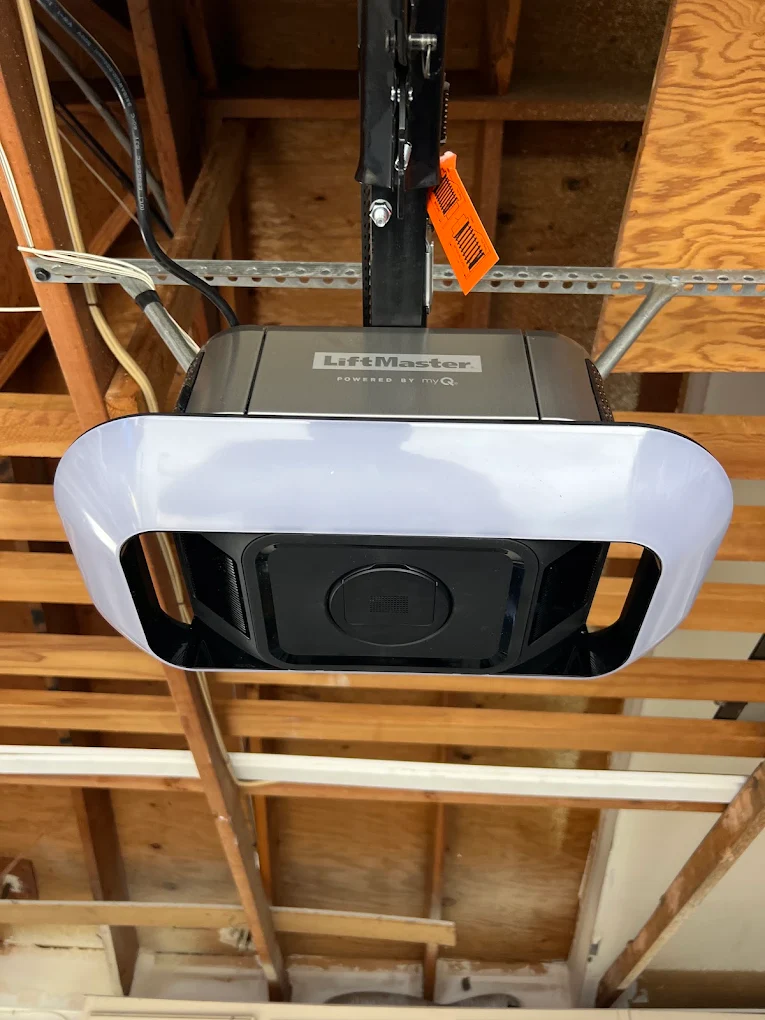
Choosing between chain drive, belt drive, screw drive, and direct drive really comes down to where your garage sits and how much noise you are willing to live with. Belt and direct drive systems tend to win out for attached garages, while chain drive still holds up well for detached spaces where budget matters more than sound. Taking a moment to consider your door’s weight and your garage’s location relative to living spaces will make the decision much easier.
If you are trying to decide which opener type fits your San Diego home, Bradbury Garage Doors can walk you through the options based on your specific garage setup. Our technicians regularly help local homeowners weigh noise, durability, and long-term upkeep before settling on a final choice. Contact us today, or give us a call to get expert guidance before you select your next opener.
Frequently Asked Questions
Are screw drive openers loud?
Screw drive openers fall in the middle, generally quieter than chain drive but not as smooth as belt drive.
What is a direct drive garage door opener?
A direct drive opener keeps the motor stationary while a chain moves around it, which reduces vibration compared to traditional systems.
Which opener type lasts the longest?
Belt drive and direct drive systems tend to have fewer parts that wear down quickly, which often means a longer service life.
Do jackshaft openers make less noise?
Yes, jackshaft openers mount beside the door instead of the ceiling and generally run quieter than standard chain systems.
Is there a garage door opener type that needs the least maintenance?
Belt drive and direct drive openers typically require less frequent upkeep compared to chain drive systems.
Can I switch from chain drive to belt drive without replacing the whole system?
In most cases, switching drive types requires replacing the full opener unit rather than just the drive component.
What opener type works best for a heavier garage door?
Screw drive and higher-horsepower belt drive models tend to handle heavier insulated doors well.
Do all opener types work with smart home systems?
Most modern opener types, including chain and belt drive, now offer smart compatible versions.
Which type of opener is most common in newer homes?
Belt drive has become increasingly common in newer construction due to its lower noise level and smoother operation.