
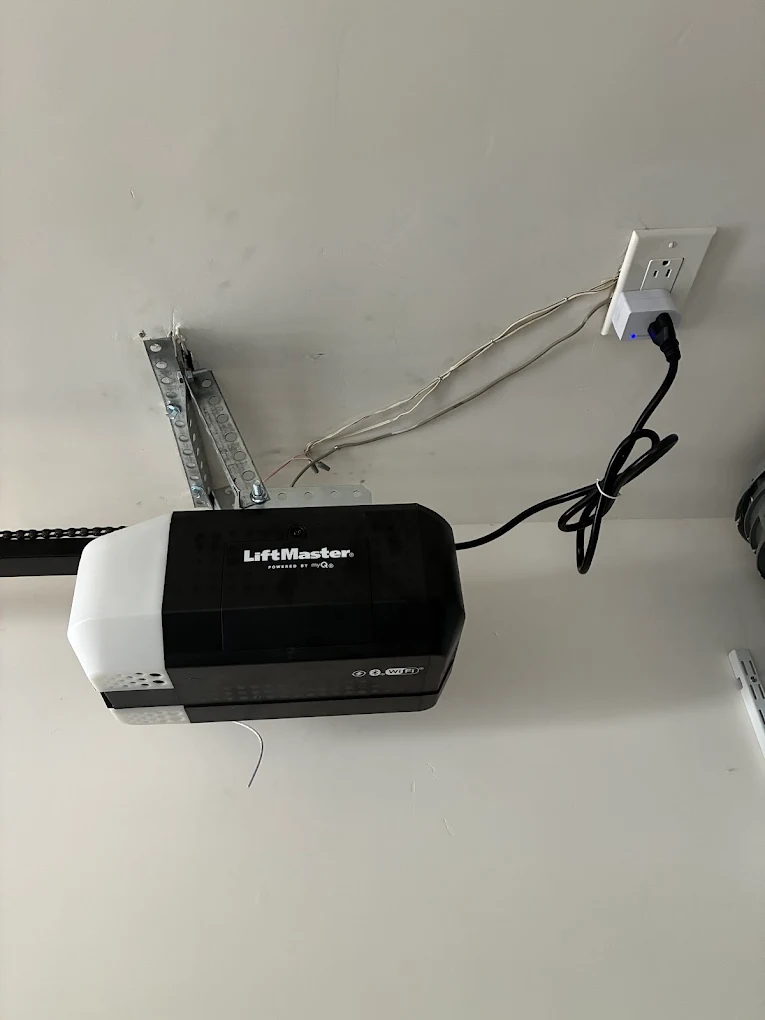
Smart garage door openers cut down on noise mainly through soft start and soft stop motors, vibration sensors, and app-based monitoring that reduces the need for manual checking. These features work together to create a smoother, more controlled movement instead of the abrupt starts and stops found in older openers. For San Diego homeowners with attached garages, this technology can make a noticeable difference in daily comfort.
This guide breaks down exactly how these smart features work, how they compare to traditional opener types, and what to check before adding one to your home. We will also cover a few common misconceptions about smart openers, since not every noise reduction claim you see online tells the full picture.
What Makes Smart Garage Door Openers Different
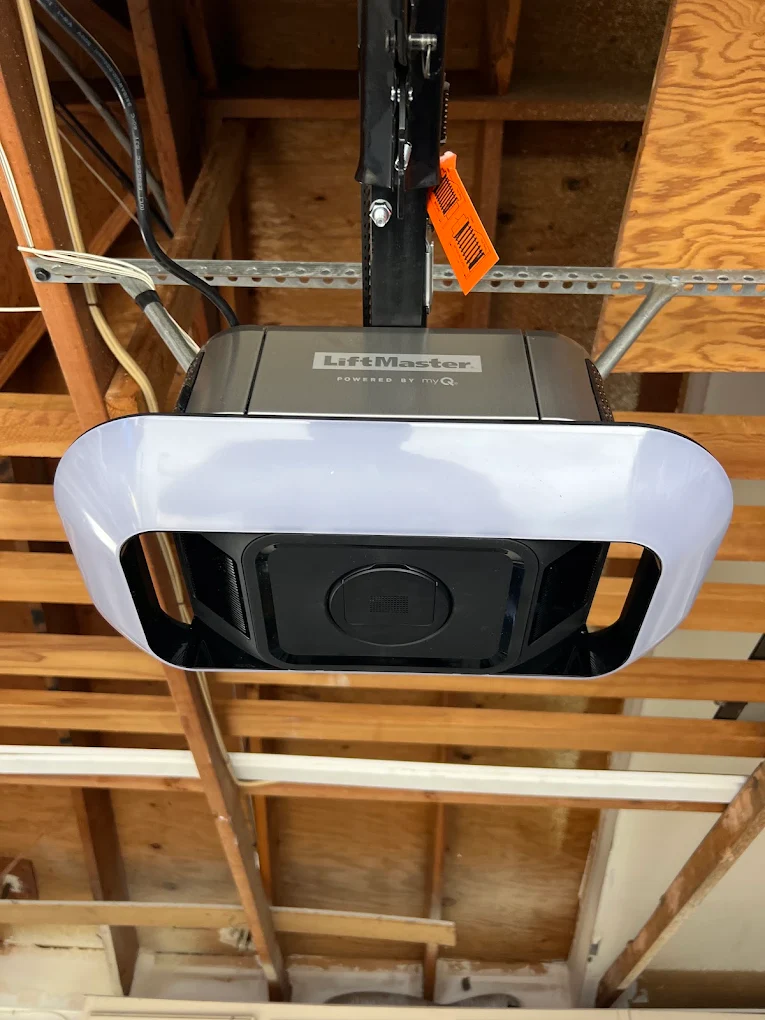
Smart openers rely on more advanced internal components than standard models, which is a big part of why they run quieter.
Soft Start and Soft Stop Motors
This feature controls the acceleration and deceleration of the door.
- The door gradually speeds up instead of jerking into motion right away.
- Slowing down before reaching the top or bottom prevents the loud bang common in older systems.
- Reduced mechanical stress also means less wear on gears over time.
- This gradual motion also puts less strain on the door’s springs and cables.
DC Motors vs Traditional AC Motors
Motor type plays a major role in how smart openers achieve quieter performance.
- DC motors allow more precise speed control compared to older AC motors.
- Precise control means less sudden torque, which directly reduces vibration.
- Many DC motor openers also run cooler, which can extend the lifespan of internal parts.
- Cooler operation also tends to reduce the faint hum that some older motors produce during use.
For a full breakdown of what noise level to expect across different opener categories, our guide on What Is the Most Quiet Garage Door Opener? covers the basics in more detail.
Smart Features That Directly Reduce Noise
Beyond the motor itself, several smart features actively work to lower noise during everyday use.
Vibration Sensors and Auto Adjustments
Some smart openers include sensors that respond to unusual movement.
- Sensors can detect early signs of an unbalanced door before it becomes a bigger noise issue.
- Certain models automatically adjust motor output to compensate for resistance.
- This kind of early detection can help avoid a more serious garage door repair down the line.
- Some sensors can distinguish between normal operating sound and an unusual noise pattern worth flagging.
App Alerts That Reduce Manual Checking
App connectivity changes how homeowners interact with their opener day to day.
- Alerts let you confirm the door is closed without needing to inspect it in person.
- Some apps log usage patterns, which can help identify when something feels off.
- Fewer manual checks also means less wear from repeated opening and closing.
- Remote access also comes in handy when you are away from home and want to confirm the door status.
How Smart Openers Compare to Traditional Types
Smart features can be added to several different drive systems, not just one specific type.
Drive Type Still Matters
Smart technology improves performance, but the base drive system still affects noise.
- Belt drive and jackshaft openers paired with smart features tend to be the quietest combination available.
- Chain drive openers can include smart features too, though the drive itself will still be louder.
For a full comparison of drive types and their natural noise levels, read Garage Door Opener Types and How Noisy Each One Gets.
Smart Add On Kits for Existing Openers
Homeowners with an older opener are not always required to replace the entire unit.
- Certain smart add on kits bring app connectivity to an existing motor.
- These kits do not change the drive system, so noise reduction is limited compared to a full smart opener.
- They can still be a useful upgrade if replacing the entire unit is not the immediate goal.
Real World Noise Reduction Results
Marketing language around smart openers can be a bit generous, so it helps to understand what homeowners typically notice once the unit is actually installed and running.
What Homeowners Typically Notice First
Most feedback around smart openers centers on a handful of consistent observations.
- The most noticeable change is usually the absence of a loud bang when the door reaches the top or bottom.
- Vibration through walls and ceilings tends to drop noticeably compared to older chain drive units.
- Many homeowners report being able to open or close the door without waking others in the home.
Common Misconceptions About Smart Openers
A few misconceptions come up often when homeowners first start comparing smart models.
- Smart does not automatically mean silent. The drive type still plays a role in overall noise.
- Not every smart feature is focused on noise. Some are built purely around convenience or security.
- A higher price does not always guarantee a quieter unit, so specs still matter more than the label.
Everyday Benefits Beyond Noise Reduction
Noise reduction is a major perk, but smart openers offer a few other practical advantages worth mentioning.
Scheduling and Away Mode Features
Scheduling tools give homeowners more control over daily operations.
- Some models allow scheduled close times for added peace of mind.
- Away mode settings can limit access during vacations or extended trips.
- These features work independently of noise reduction but often come bundled together.
Integration With Home Security Systems
Many smart openers now connect directly with broader home security setups.
- Integration allows the garage door to work alongside cameras and smart locks.
- A connected system can send alerts if the door opens unexpectedly.
- This adds a layer of convenience on top of the quieter mechanical performance.
ULSE, the standards organization behind many safety certifications, publishes insight on automatic garage door standards that outlines how safety requirements apply to modern automatic openers, including smart models.
How Smart Sensors Detect Problems Early
One of the more practical advantages of smart technology is how it can flag small issues before they turn into bigger noise or performance problems. This kind of built-in monitoring makes garage door maintenance easier to stay on top of, since problems get flagged before they turn into a bigger repair.
Force and Resistance Monitoring
Many smart openers track how much resistance the motor experiences during each cycle.
- A sudden increase in resistance can signal a track obstruction or a door that has slipped out of balance.
- Consistent monitoring allows the opener to flag unusual patterns before they cause a loud grinding sound.
- Some models will alert you through the app if resistance stays abnormally high across several cycles.
Maintenance Reminders Built Into the App
Several smart opener apps include built-in reminders tied to usage patterns.
- Reminders can prompt a lubricant check after a certain number of open and closed cycles.
- Some apps track total run time and suggest a professional inspection after extended use.
- These reminders help catch small issues early, before they turn into a noticeable noise problem.
Choosing a Smart Opener for a San Diego Home
Smart openers are widely available, but a few details are worth checking before deciding on one for your home.
Brands Leading in Smart Technology
Several manufacturers have invested heavily in smart, quiet performance.
- LiftMaster offers a wide range of smart models with app connectivity built in.
- Chamberlain and Genie also produce competitive smart options with similar features.
- Comparing warranty terms across brands is also worth doing, since smart features sometimes carry a shorter coverage window than the base motor.
To compare specific models from one leading brand, read LiftMaster Garage Door Opener Models and What Sets Them Apart.
What to Check Before You Buy
A few practical checks can help you avoid buying the wrong fit.
- Confirm the opener is compatible with your home’s Wi-Fi setup before purchase.
- Check whether the app requires a subscription for full feature access.
- Review the horsepower rating against your door’s weight to avoid future strain.
Angi’s guide on inspecting and maintaining a garage door is a helpful outside resource if you want a broader checklist to pair with your smart opener’s built-in monitoring.
Bringing Smart Quiet Technology Into Your Garage
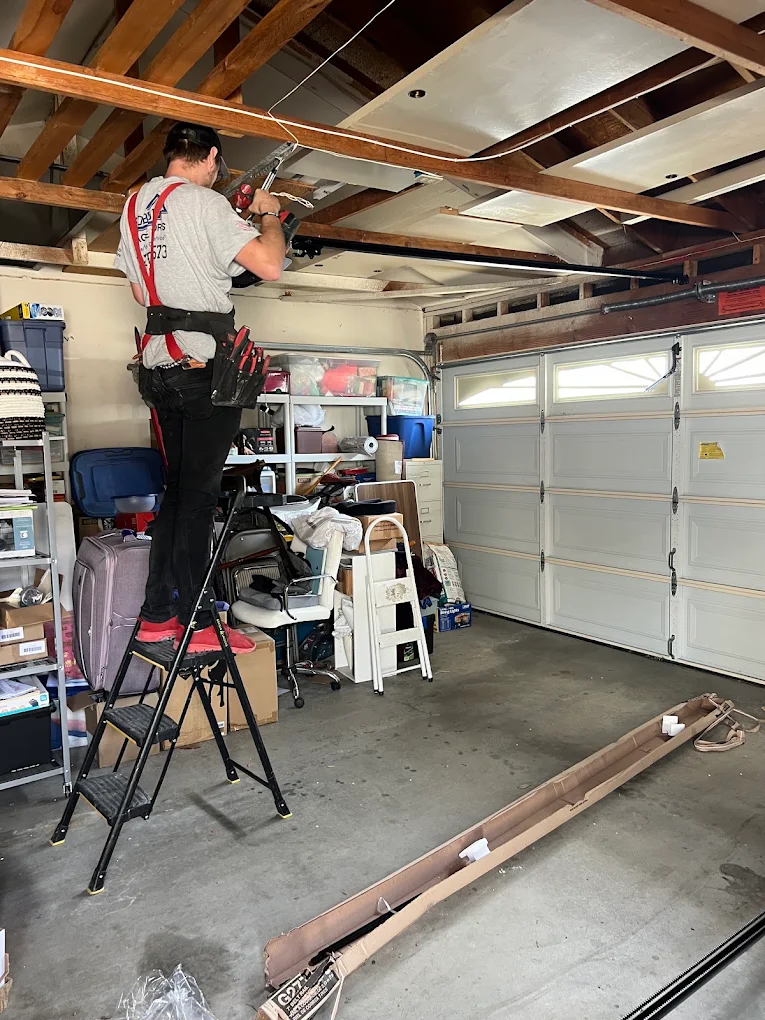
Smart garage door openers combine better motors, useful sensors, and app-based convenience to create a noticeably quieter experience compared to older systems. The technology does not replace the importance of drive type and proper installation, but it adds a meaningful layer of comfort and monitoring that many San Diego homeowners have come to rely on. As smart home technology continues to expand, expect even more openers to include noise-focused features as a standard part of the package rather than an upgrade.
If you are considering a smart opener for your home, Bradbury Garage Doors can help you find a model that fits your garage and your budget. Our technicians stay current on the latest smart opener releases so they can point you toward a model that actually delivers on its noise reduction claims. Contact us today, or give us a call to talk through your options with a team that knows this technology well.
Frequently Asked Questions
Do all smart openers include soft start and soft stop?
Most current smart models include this feature standard, though it is worth confirming with the specific model you are considering.
Can I add smart features to an older opener?
Yes, certain add-on kits bring app connectivity to an existing motor, though they do not change the drive system itself.
Do vibration sensors really make a difference in noise levels?
They mainly help catch early signs of imbalance before it turns into a bigger noise or mechanical issue.
Is Wi-Fi required for a smart garage door opener to work?
Most core functions work without Wi-Fi, but app alerts and remote access require a home network connection to function properly.
Do smart openers need more maintenance than standard openers?
Not typically, though the added sensors and app features may need occasional software updates to keep working correctly.
Can a smart opener alert me if it becomes noisy or has an issue?
Some models can send alerts based on unusual movement patterns, though not all brands include this feature.
Are smart garage door openers compatible with existing garage doors?
In most cases, yes, as long as the opener's horsepower matches the door's weight requirements.
Do smart openers work with home security systems?
Many current models integrate with cameras, smart locks, and broader home security platforms.
Is a smart garage door opener worth it just for noise reduction?
For homeowners with an attached garage near living spaces, the noise reduction alone is often enough to justify the upgrade.