
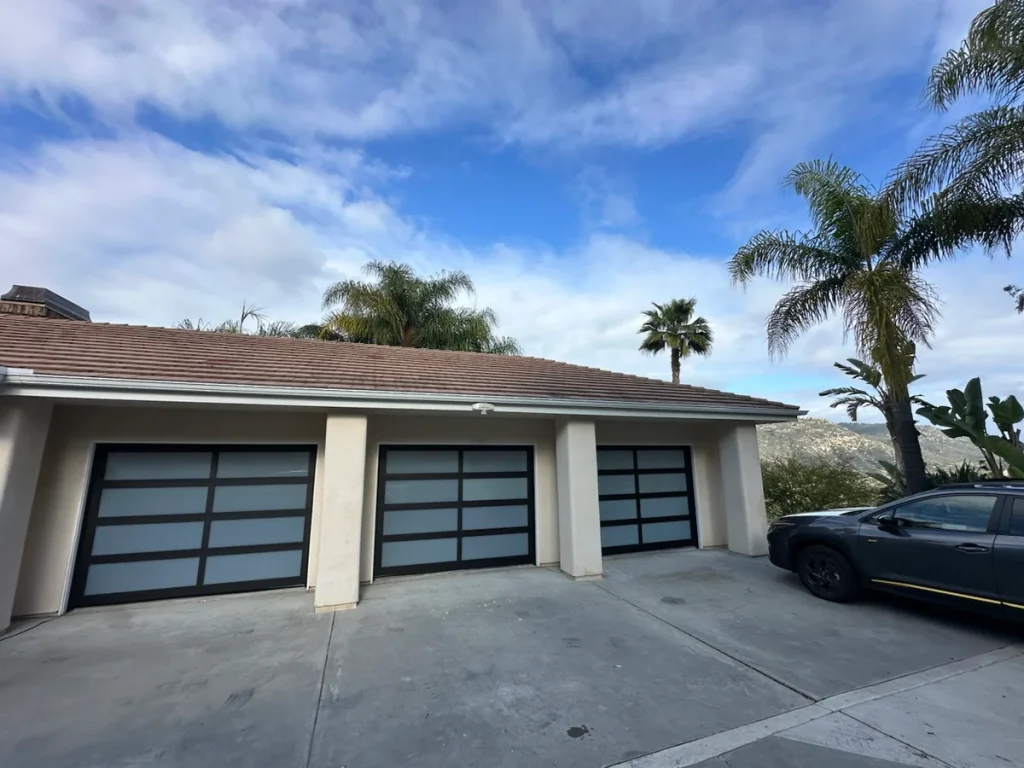
Your garage door works hard every single day. Most people never think about it until it stops working, and then the first question is always the same: how much is this going to cost me? The answer depends on what broke. Some garage door repairs are quick and affordable. Others are a bigger investment. Either way, knowing what to expect before a technician shows up puts you in a much stronger position.
Here are 8 of the most common garage door repairs in San Diego, what they actually cost, and what you can do to avoid a bigger bill down the road.
Broken Torsion Springs — $450 to $600
A broken spring is the number one reason garage doors suddenly stop working. Torsion springs carry the entire weight of the door on every open and close. When one snaps, the whole system grinds to a halt. Immediate garage door spring repair is required to restore safe and smooth operation, as attempting to operate the door with a broken spring can cause further damage to the opener, cables, and tracks.
Average Cost: Double spring replacement runs $450–$600, depending on spring size. We install the Duramaster powder-coated torsion spring, made in the USA, backed by a 5-year warranty.
Signs your spring may be failing:
- You heard a loud bang coming from the garage
- The door feels extremely heavy to lift by hand
- You can see a visible gap in the spring coil
- The door hangs unevenly or lower on one side
Tips to avoid early failure:
- Schedule a yearly tune-up to catch low spring tension early
- Never force a heavy door open; that extra strain burns through spring life fast
- Replace both springs at the same time, even if only one breaks
⚠️ Safety warning: Never attempt spring replacement yourself. Torsion springs are under extreme tension and can cause serious injury. Always call a licensed technician.
Noticing cable wear alongside other warning signs? Read Warning Signs Your Garage Door Needs Fixing Now before the problem turns into something bigger.
Always follow manufacturer and safety guidelines when handling garage door springs, as recommended by DASMA’s safety tips.
Garage Door Opener Replacement — $850 to $1,200
The opener is the brain of your entire garage door system. When it starts grinding, lagging, or stops responding, especially if it is over 10 years old, replacement is usually the smarter move over a patch repair.
LiftMaster Opener Options:
- Chain Drive — approximately $850 (reliable, built for daily use)
- Belt Drive — approximately $1,025 (quieter, ideal for attached garages with living space above)
- Jackshaft — approximately $1,200 (wall-mounted, perfect for low ceilings or high-lift setups)
(All prices plus applicable tax)
Signs your opener may need replacing:
- The motor grinds or hums, but the door does not move
- The door responds slowly or inconsistently
- The opener is more than 10 years old
- Neither the wall button nor the remote responds
Tips to extend opener life:
- Wipe photo-eye sensor lenses monthly with a dry cloth
- Test the auto-reverse safety feature every few months
- Keep the trolley and rail lubricated as part of your routine service
Broken or Frayed Cables — $149 to $199
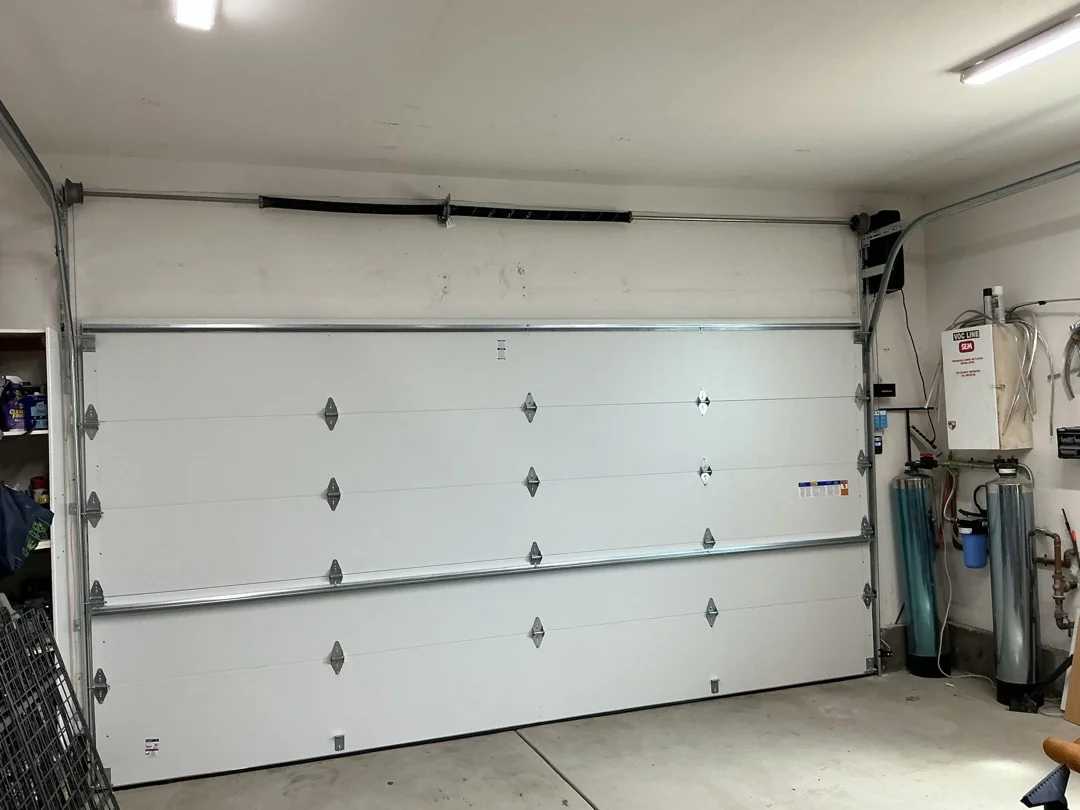
Cables work alongside your springs to keep the door balanced and moving safely. A frayed or snapped cable is not just an inconvenience; a door with a failed cable can drop suddenly without any warning.
Average Cost: Garage door cable replacement runs $149–$199 and is one of the more straightforward repairs when caught in time.
Signs your cables need attention:
- Visible fraying or strands coming apart on the cable
- The cable looks kinked, slack, or sitting off the drum
- The door moves unevenly, or one side droops lower than the other
- You hear a snapping or popping sound during operation
Tips to avoid cable failure:
- Replace both cables at the same time; they wear at the same rate
- Do not operate the door if a cable looks visibly damaged
- Include cable inspection as part of your annual service visit
Worn-Out Rollers — $249
Rollers are the small wheels that guide your door smoothly along the tracks. Most homes are still running on cheap factory-installed rollers from day one. When they crack or flatten, the grinding and rattling start on every single cycle.
Average Cost: Roller replacement averages $249 and comes with a lifetime warranty; you will not be paying for it twice.
Signs your rollers are worn out:
- Loud grinding or rattling sounds when the door moves
- The door shakes or vibrates during operation
- Rollers look cracked, chipped, or visibly flat
- The door feels rough or uneven when opening and closing
Tips to extend roller life:
- Lubricate rollers every 6 months with a silicone-based spray
- Avoid WD-40; it attracts grime and shortens roller life
- Do the balance test: lift the door to waist height, let go, it should hold its position
According toThis Old House’s garage door maintenance guide, regular lubrication is one of the simplest and most overlooked ways to extend the life of your rollers and hinges, yet most homeowners skip it entirely.
General Garage Door Service — $129
Most homeowners only call when something breaks. But a routine tune-up is exactly how you avoid that call in the first place. A trained technician spots small problems, low spring tension, fraying cables, and loose hardware, before they turn into big repairs.
Average Cost: A general service visit runs $129 and typically covers:
- Full lubrication of all moving parts
- Spring tension adjustment and balance testing
- Safety sensor alignment and reverse testing
- Hardware tightening and track inspection
- Visual check of cables, rollers, and weather seals
Tips to get the most from your service visit:
- Schedule service once a year for average-use doors
- For busy San Diego households opening the door 6+ times daily, go twice a year
- Keep a simple log of when service was last done, so nothing slips through the cracks
For a detailed expert overview of garage door types, materials, safety features, and proper maintenance practices, refer to the comprehensive guide provided by This Old House.
Track Misalignment — Varies by Damage
A bent or misaligned track forces your door to fight itself on every cycle. Left unaddressed, it puts extra wear on rollers, cables, and the opener motor, and in the worst case, the door comes completely off the track.
Average Cost: Minor realignment is typically handled within a standard service visit. Severe bends or full track replacement are priced based on the extent of damage and door size.
Signs your tracks may be misaligned:
- The door wobbles or jerks as it opens and closes
- You hear a heavy rubbing or metal-on-metal grinding sound
- The door scrapes against the sides of the frame
- The door stops mid-cycle without an obvious reason
Tips to protect your tracks:
- Never force a stuck or hesitant door open; it strains the entire system at once
- Check for visible dents or bends in the tracks during your monthly walkthrough
- Call for service at the first sign of scraping or irregular movement
Wondering how ignored issues like this quietly grow into bigger bills? Read Why Is My Garage Door Repair Bill So High? breaks it all down.
Damaged Panels — Varies by Material and Model
A dented panel might look cosmetic at first, but it can affect how your door seals, insulates, and travels through the tracks. In San Diego’s warm climate, even one compromised panel lets heat in and raises your energy costs over time.
Average Cost: Single panel replacement varies based on:
- Door material (steel, aluminum, wood composite)
- Door design and style
- Whether the panel is still in production for your model
Signs a panel needs replacing:
- The panel is pushed inward and affects door movement
- The door no longer seals evenly along the frame
- You notice drafts, dust, or pests entering through the panel gap
- The panel is cracked or split, not just surface-dented
Tips before booking a panel repair:
- Press on the damaged area; if it affects door travel, it is structural, not cosmetic
- Confirm your door model is still in production before ordering a replacement panel
- Discontinued models may require a full garage door replacement instead of a targeted fix
Bottom Seal Replacement — Low Cost, High Impact
The rubber seal along the bottom of your garage door is small, easy to forget, and surprisingly important. It blocks water, pests, dust, and drafts on every close. In San Diego, it also keeps out the fine debris and dry particulates that come with windy conditions.
Average Cost: Bottom seal replacement is one of the most affordable repairs on this list and is often completed during a routine service visit.
Signs your bottom seal needs replacing:
- You can see daylight along the bottom edge when the door is fully closed
- Water or debris is getting in under the door
- The rubber looks cracked, flattened, or torn
- Pests or insects are finding their way into the garage
Tips to get the most from your seal replacement:
- Check the side and top weather stripping at the same time; they wear together
- Replace all three seals at once to save on a future return visit
- A good seal also helps with garage temperature control, which matters in San Diego’s heat
If you are dealing with multiple small repairs like this on an older door, Repair or Replace Your Garage Door? Here’s When will help you decide whether to keep fixing or start fresh.
Get It Fixed by a Team That Stands Behind Their Work
Garage door problems rarely fix themselves, and the longer you wait, the more expensive they get. The repairs on this list cover the majority of what San Diego homeowners deal with every year. Most of them are fast and affordable fixes when caught before they compound.
If you are in the San Diego area and want a team that uses quality American-made parts, backs their work with real warranties, and gives you straight answers, Bradbury Garage Doors is ready to help. From a tune-up to a full opener upgrade, their technicians bring the experience and honesty that local homeowners trust. Contact us today or give us a call, and get your garage door running safely, smoothly, and built to last.
Frequently Asked Questions
Can I still use my garage door if a spring is broken?
You should not. Even if you can manually force it open, running the door with a broken spring puts dangerous strain on the opener motor and cables. Keep the door closed and call a technician right away to avoid compounding the damage.
How do I test if my garage door is properly balanced?
Disconnect the opener by pulling the red release cord and manually lift the door to about waist height. Let go. A balanced door holds its position without drifting. If it drops or rises on its own, the spring tension is off and needs professional adjustment.
Is a belt drive opener worth the extra cost over a chain drive?
For most attached garages, especially where bedrooms sit above or next to the garage, yes. Belt drives run significantly quieter, and the smoother operation reduces long-term wear on the trolley and motor. The price difference is modest for something you use multiple times every day.
What causes a garage door cable to snap?
The most common causes are worn springs creating uneven load on the cables, rust weakening individual strands over time, and temperature-driven contraction stressing already-tired cables. Fraying or visible slack are the early warning signs to watch for before a full snap occurs.
How often should I lubricate my garage door?
Every six months for most residential doors. Use a silicone-based spray or a product made specifically for garage doors. Apply it to the springs, rollers, hinges, and the upper section of the tracks. Avoid applying lubricant to the bottom of the tracks; it can cause the door to slip during operation.
Why does my garage door reverse before it fully closes?
This is almost always a photo-eye sensor issue. The sensors sit at the base of the tracks on both sides and detect obstructions. If they are dirty, misaligned, or hit by direct sunlight, the door reads it as a blockage and reverses. Clean the lenses and check alignment before calling for service; it is often a simple fix.
How many cycles do torsion springs typically last?
Standard torsion springs are rated for approximately 10,000 cycles. At four cycles per day, that works out to roughly seven years. High-cycle springs rated at 20,000 or more cycles are available and worth the upgrade for doors that see heavy daily traffic.
Does homeowner's insurance cover garage door repairs?
It depends on the cause. Damage from a storm, vehicle impact, fallen tree, or vandalism is typically covered under a standard homeowner's policy. Wear and tear or mechanical failure is not. Photograph all damage before repairs begin, and check with your insurance provider about your specific coverage.
What should I ask a garage door technician before hiring them?
Ask if they are licensed and insured, what brand of parts they use, whether the repair comes with a written warranty, and if they provide a written estimate before starting. A trustworthy technician answers all of these without hesitation. Avoid anyone who quotes a price over the phone without first seeing the door.