
DIY repairs often cost more because wrong parts, specialty tools, damage to nearby components, and a second service call add up past the price of a professional visit. Springs and cables account for the riskiest part of any garage door repair, and saving on labor there can bring injury risk along with extra bills.
Professional pricing includes the right garage door parts, skilled labor, and a warranty, which a home attempt has to replace with time, tools, and trial and error. This guide examines where hidden DIY expenses come from and which simple maintenance tasks remain safe to handle without calling a technician.
Key Takeaways
- Springs sold online or in stores often need exact sizing to fit.
- Winding bars and clamps mean additional money for a single spring job.
- Mistakes can bend tracks, crack panels, or fray cables.
- Improper installation may void a manufacturer’s warranty.
- Lubrication and sensor cleaning remain safe tasks for owners.
Hidden Costs Behind DIY Garage Door Repair
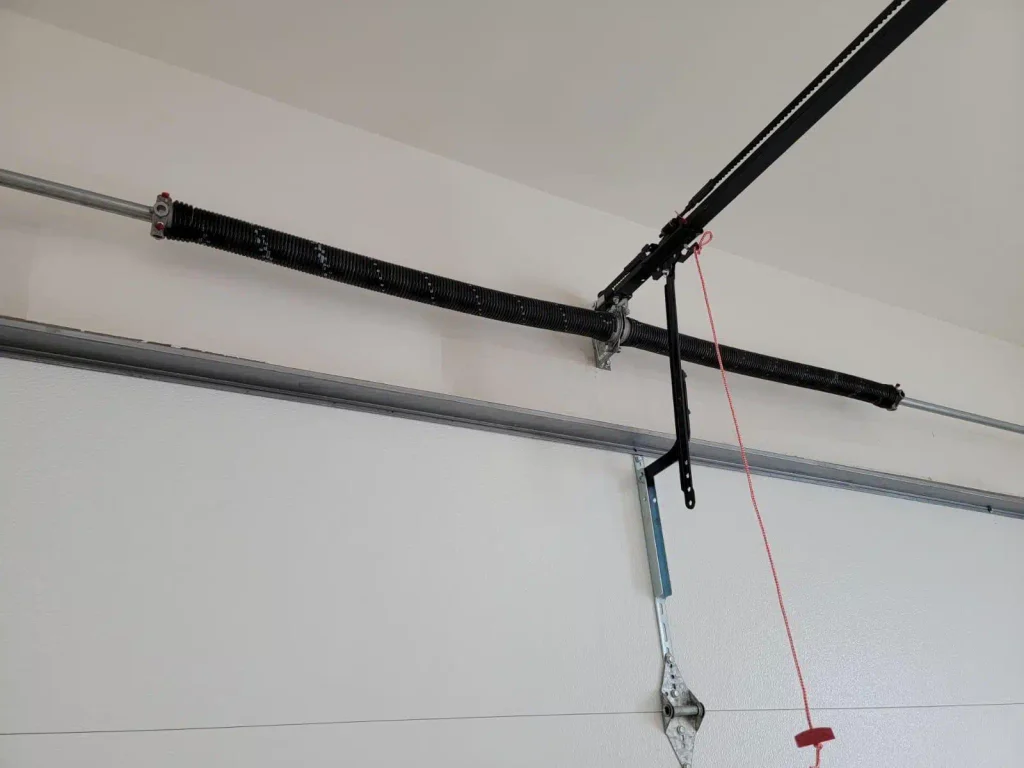
DIY garage door repair looks cheaper on paper because labor seems free, yet parts, tools, and mistakes bring expenses a quote never shows.
| Hidden Cost | How It Adds Up | Professional Advantage |
| Wrong parts | Springs or cables sized for a different door | Parts measured and sized on site |
| Specialty tools | Winding bars, clamps, and gauges bought for one job | Proper tools carried to every job |
| Damage to other parts | Bent tracks, cracked panels, or frayed cables | Trained handling of loaded components |
| Injury | Sudden spring release under heavy tension | Safe procedures for every spring job |
| Voided warranties | Coverage lost through improper installation | Warranty terms kept intact |
| Second service call | Extra labor to undo a failed attempt | Job finished correctly the first time |
Time spent researching, buying, and returning parts also carries a value, especially when a door sits out of service for several days.
Wrong Parts and Return Trips
Springs bought from Home Depot or online have to fit the exact wire size, length, and spring type on the door, so a close guess often falls short.
Parts mistakes commonly show up in forms like these:
- Torsion springs with the wrong wire gauge for the door.
- Extension springs rated for a lighter or heavier door.
- Cables cut too short for the door height.
- Rollers or brackets built for a different track size.
- Return trips to the store for a second attempt.
To measure DIY parts spending against the price of professional service, read our guide on How Much Does Garage Door Repair Cost in San Diego, CA?, which breaks pricing down by repair type, from a basic tune-up to a full spring job.
Specialty Tools for Spring Work
Torsion springs need winding bars, locking pliers, and clamps to adjust safely, and buying that equipment for one job adds to the total cost.
Spring work typically calls for equipment like the following:
- Solid steel winding bars sized for the spring cones.
- Locking pliers or C clamps to hold the door in place.
- Wire gauge tools for measuring the old spring.
- Sturdy ladder rated for overhead work.
- Safety glasses and gloves for loaded parts.
Professionals arrive with this equipment already on the truck, so a garage door torsion spring repair costs nothing extra in tools and finishes in a single visit.
Damage to Other Parts
Mistakes during a home repair can bend tracks, crack panels, or fray cables, which adds new work to the original problem and raises the final cost.
Collateral damage from a slipped repair often includes:
- Panel damage from a door that drops unexpectedly.
- Structural damage to brackets anchored in the frame.
- Bent tracks after forcing the door into place.
- Small dents in a steel door or insulated panel.
- Strain on the rest of the door from uneven lifting.
To check whether insurance will pay for damage from a home repair attempt, read our guide on Does Home Insurance Cover Garage Door Repair in San Diego?, which explains why policies often exclude improper repairs and long-term neglect.
Injury and Medical Costs
Garage springs store significant tension, and a slip during removal can cause serious injury that costs far more than any professional repair.
Accidents involving springs and cables commonly cause harm like this:
- Hand and arm injuries from a spinning winding bar.
- Head or face injuries from a snapped cable.
- Falls from a ladder while working overhead.
- Crushed fingers caught between moving panels or hinges.
- Lost work time during recovery from an injury.
Leaving loaded springs and cables to a technician reduces the safety risks sharply, a trade worth far more than any savings on labor.
Voided Warranties
Manufacturer warranty terms can require professional installation, so a DIY spring or opener swap can leave the owner without coverage if a part fails.
Coverage commonly lapses for reasons such as these:
- Parts installed without the required professional setup.
- Springs replaced with an off brand or wrong size.
- Opener wiring or electrical work completed incorrectly.
- Missing receipts or records from a certified installer.
- Damage traced back to improper handling.
Warranty protection stays in place with a professional garage door installation, and licensed repairs often add coverage of their own.
Professional Repair After a Failed Attempt
Unfinished or incorrect DIY work usually ends with a technician called to correct it, and that second service call often costs more than the original fix.
Correcting a failed attempt typically involves extra steps like these:
- Removing parts installed in the wrong position.
- Replacing springs or cables damaged during the attempt.
- Realigning tracks bent while forcing the door.
- Checking door balance and safety features again.
- Extra labor costs for diagnosing what went wrong.
To determine whether a failed home fix needs an urgent visit, read our guide on When Is Emergency Garage Door Repair Worth It in San Diego?, which ranks common problems by how quickly each one needs attention.
Which Garage Door Tasks Are Safe for Homeowners?
Owners can safely handle light upkeep that involves no loaded parts, which keeps simple repairs affordable without putting anyone in the household at risk.
Stick to tasks like these and leave springs and cables alone:
- Properly lubricating hinges, rollers, and tracks every few months.
- Wiping dust and cobwebs off the safety sensors.
- Tightening loose bolts on hinges and brackets.
- Replacing worn weather seals along the bottom edge.
- Changing batteries in remotes and wall keypads.
Anything beyond these tasks belongs with professional garage door maintenance, where a technician checks springs, cables, and balance with proper tools.
DIY Savings Disappear Once Springs and Cables Are Involved
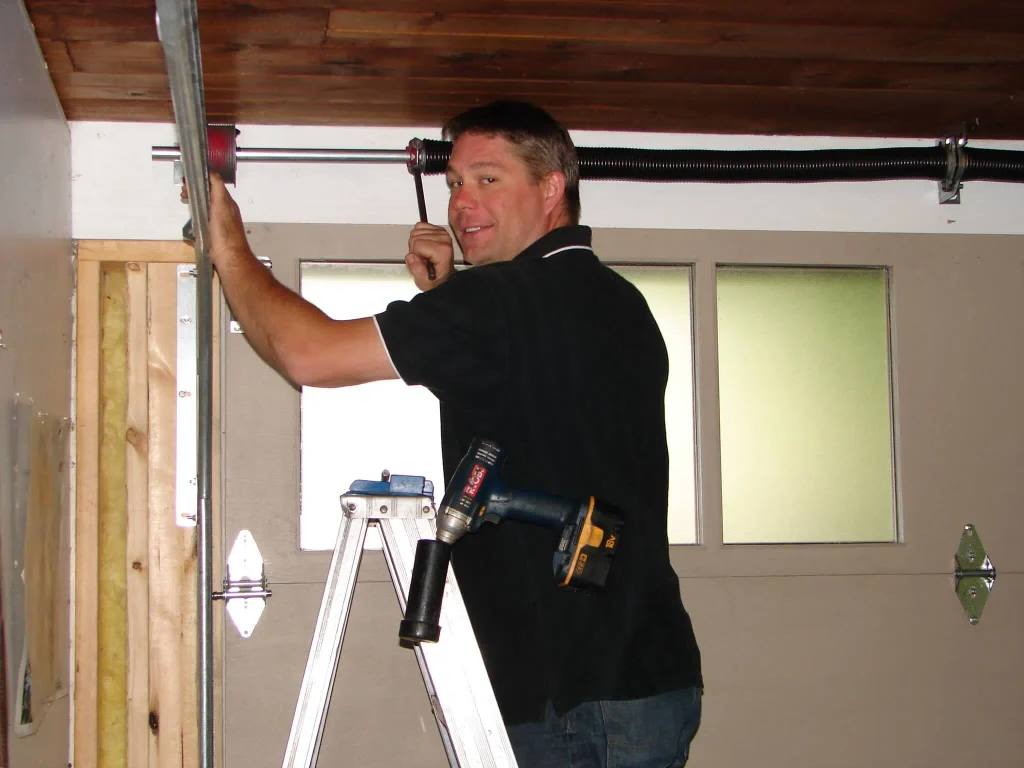
Wrong parts, specialty tools, collateral damage, and return visits explain why DIY garage door work often ends up costing more than a single professional repair. Light upkeep stays a safe job for owners, while springs, cables, and tracks belong with trained hands for both safety and the long run.
Bradbury Garage Doors backs its spring work with a five-year warranty and its rollers with lifetime coverage, giving San Diego, CA, households a lasting alternative to DIY repairs. Contact us or give us a call today to have a licensed technician handle the springs, cables, and tracks safely.
Frequently Asked Questions
Are springs from Home Depot the right fit for every door?
Store bought springs can work when the size, wire gauge, and wind direction fit the door exactly, but guessing the specs often leads to a poor fit. Heavier doors with wood panels or a double door width need stronger springs that general store stock may not always carry.
What tools does spring replacement require?
Spring replacement requires winding bars, clamps, and measuring tools, which together can cost a fair share of what a technician charges for the job. Using screwdrivers in place of winding bars is a leading cause of spring injuries and should never be attempted.
Does DIY work void a garage door warranty?
DIY work can void a manufacturer warranty when the terms require professional installation or when damage traces back to improper handling. Reading the warranty terms before starting any garage door repair service protects coverage on new springs, openers, and other parts.
Which repairs are safe to handle without a technician?
Lubrication, sensor cleaning, battery swaps, and weather seal replacement are minor repairs most owners can handle safely with basic household tools. Anything involving springs, cables, or a garage door panel replacement is better left to a professional with the right equipment.
How much can a failed DIY repair add to the bill?
A failed attempt can add wasted parts, a second set of components, and extra labor charges to undo the original mistakes. Garage door repair costs also climb when the extent of damage spreads to tracks, panels, or the opener during the attempt.
Why are torsion springs riskier than extension springs?
Torsion springs store energy by twisting on a shaft above the door, and releasing that tension requires careful winding with dedicated bars. Extension springs carry their own risks, which is why safety cables run through them to contain a break on either side.
Can a homeowner fix a door that came off its tracks?
Pushing a door back onto its tracks by hand can bend panels, snap cables, or drop the door, so a technician should handle it. Off track doors often involve damaged rollers or cables as well, and garage door cable repair is easier to complete in the same visit.
Will insurance pay for damage from a DIY repair?
Insurers often deny claims for damage caused by improper repairs, since that damage does not come from a sudden covered event. Paying a professional upfront usually costs less than covering a denied claim and a second repair, bringing more peace of mind overall.
When does calling a professional save money?
Calling a professional saves money whenever the job involves springs, cables, tracks, or electrical work, since mistakes on those parts add to the total. Booking during regular hours also avoids emergency services fees and keeps the average cost of a visit in line with standard labor rates.