
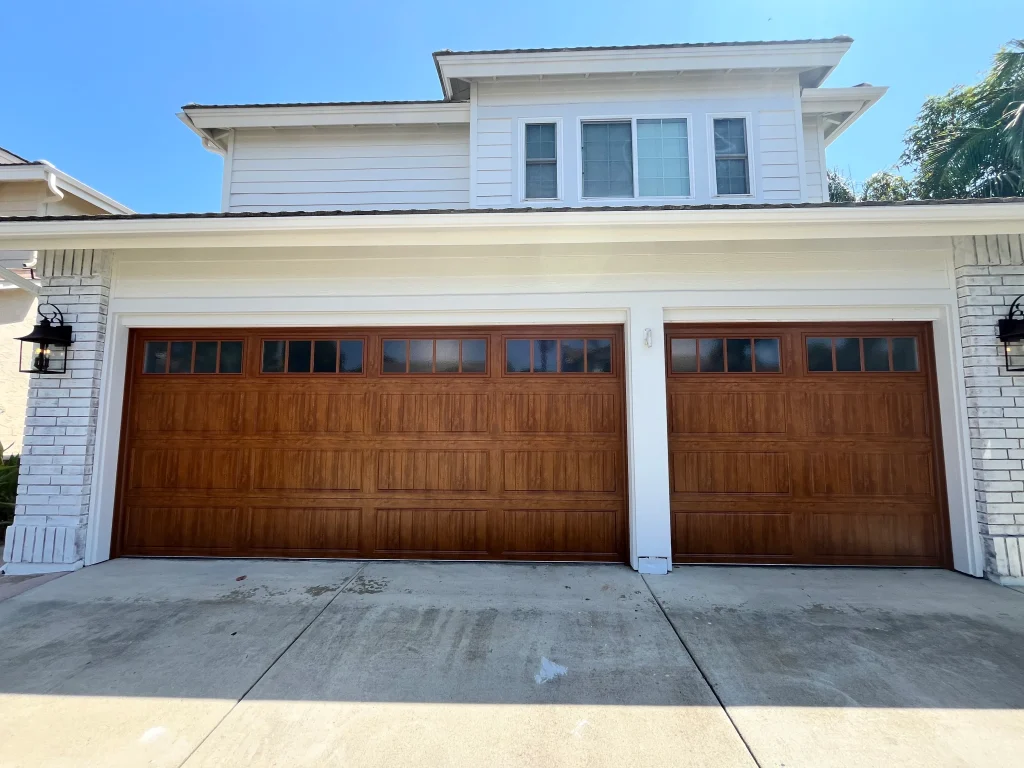
You called a technician expecting a simple fix, and the bill came back way higher than you anticipated. Sound familiar? You are not alone. It is one of the most common frustrations that homeowners in San Diego face. And in most cases, the high bill is not a surprise to anyone who knows what to look for. There are real, specific reasons why garage door repair costs climb, and most of them come down to timing, neglect, and a few things that were quietly going wrong long before the door stopped working.
Here are honest reasons your garage door repair bill may be higher than you expected and what you can do about each one before it happens again.
You Waited Too Long to Call
This is the number one reason repair bills get expensive, and it is entirely avoidable. A small issue that gets ignored does not stay small. It puts stress on every connected part of the system until something bigger gives out.
How delayed repairs snowball:
- A worn roller puts extra load on the tracks
- Extra track stress bends the frame over time
- A bent frame throws the cables off alignment
- Misaligned cables snap under the added tension
- Now, instead of a roller job, you are looking at multiple repairs at once
What to watch for instead:
- Grinding or rattling sounds during operation
- The door is moving more slowly than usual
- Anything that feels different from how it normally runs
The fix: Do not wait for a complete failure. If something sounds or feels off, call for a service visit early. A tune-up almost always costs less than the damage that builds up from ignoring a warning sign for six months.
If you are not sure what signs to watch for before things become urgent, Warning Signs Your Garage Door Needs Fixing Now walks you through exactly what to look for.
Multiple Parts Failed at the Same Time
Garage door components wear together. Springs, cables, rollers, and hinges all go through the same number of cycles every single day. When one part reaches the end of its life, the others are often right behind it.
Why does this drive up the bill:
- Replacing three parts costs more than replacing one
- Each part adds its own labor time
- If parts were replaced piecemeal over the years, they may be mismatched in wear level
- An older door may have several parts at the end of its lifespan simultaneously
What happens in practice:
- The technician arrives for a broken spring
- Inspection reveals frayed cables and cracked rollers alongside it
- All three need replacing to restore safe, balanced operation
- The bill reflects the full scope of what the door actually needed
The fix: Schedule yearly service visits so a technician can track the wear level of all components together, not just the one that finally broke.
Following industry standards helps ensure repairs are safe and long-lasting, according to ULSE’s guidance on automatic garage doors.
Emergency or Same-Day Service Was Needed
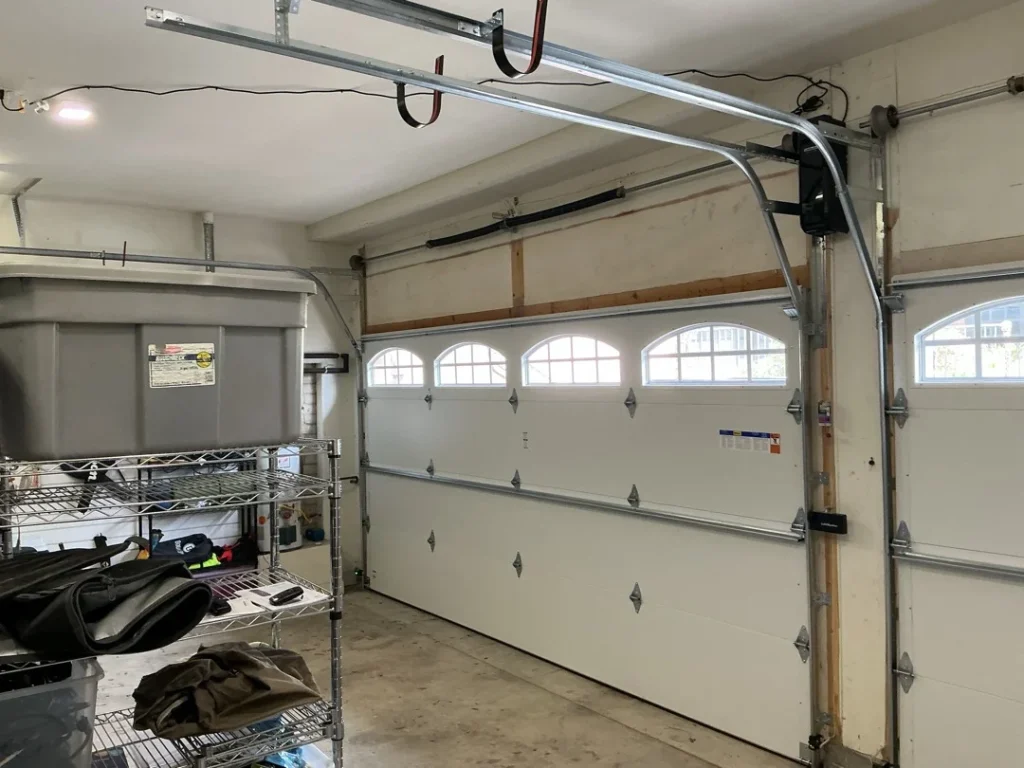
Garage doors have a way of breaking at the worst possible times, early in the morning before work, late at night, or right before a big event. Emergency and after-hours service calls come with a higher rate than a standard scheduled appointment.
Factors that add to after-hours costs:
- After-hours or weekend service premiums
- Same-day parts sourcing if specific components are not in stock
- Rush dispatch fees depend on the provider
- Higher labor rates outside standard business hours
How to avoid emergency rates:
- Pay attention to warning signs before the door fails completely
- Do not ignore a door that is struggling; book service before it stops working entirely
- Keep a trusted technician’s number saved, so you are not searching in a panic
The Wrong Parts Were Used in a Previous Repair
Not all garage door parts are equal. Cheap, low-quality components wear out faster, fail unexpectedly, and often cause damage to the parts around them. If a previous technician or a DIY attempt used the wrong parts, you may now be paying to fix both the original problem and the damage that followed.
Signs a previous repair used poor-quality parts:
- A recently replaced part failed again quickly
- The door runs louder or rougher than it did before the repair
- Rollers, springs, or cables look mismatched or off-brand
- No warranty was offered on the previous repair
What quality parts look like:
- Springs with a documented cycle rating and a warranty
- Rollers with sealed bearings built for long-term use
- Cables with the proper gauge for the door’s weight
- Parts from manufacturers with a track record in the industry
The fix: Always ask what brand of parts will be used before a repair begins. A reputable technician is transparent about this and stands behind the products they install.
The Door Was Never Maintained
A garage door with zero maintenance history is a door that has been slowly wearing itself out with every cycle. Lack of lubrication causes friction. Friction causes heat. Heat accelerates wear on springs, rollers, and hinges, and the cumulative damage shows up all at once when something finally breaks.
What zero maintenance looks like on an inspection:
- Dry, corroded springs with visible surface rust
- Rollers that are cracked or running metal-on-metal
- Hinges that are stiff and grinding instead of pivoting smoothly
- Hardware that is loose from years of vibration, going unchecked
What a basic maintenance routine prevents:
- Lubricate springs, rollers, and hinges every 6 months
- Tighten loose bolts and hardware during the same pass
- Test the door’s balance and auto-reverse function annually
- Book a professional service visit once a year to catch what you miss
The fix: Start a garage door maintenance routine now, even on an older door. It will not undo years of wear, but it will significantly slow down what comes next and extend the life of the parts that are still in good shape.
The Opener Was Overworked Because of Other Issues
Your garage door opener is designed to move a balanced, properly functioning door. When springs lose tension, cables are frayed, or rollers are grinding, the opener compensates by working harder than it was built to. Over time, that extra strain burns out the motor and shortens the opener’s lifespan significantly.
Signs the opener has been overworked:
- The motor runs longer than usual to open or close the door
- The opener sounds strained or louder than it used to be.
- The door reverses unexpectedly, even when there is no obstruction
- The opener is failing earlier than its expected lifespan
Why this matters for your bill:
- Opener replacement is one of the higher-cost repairs on any service visit
- The root cause of the worn mechanical parts still needs to be addressed separately
- You end up paying for both the opener and the underlying issue that caused the damage
For a full breakdown of what garage door repairs typically cost, including opener replacement pricing, read How Much Does Garage Door Repair Cost?
Rust and Weather Damage Were Left Untreated
San Diego’s coastal climate is beautiful, but salt air, humidity fluctuations, and occasional wet winters are hard on metal garage door components. In areas where humidity levels vary seasonally, rust and corrosion can quietly compromise springs, cables, and hardware long before they visibly fail.
How weather damage drives up repair costs:
- Rust weakens spring coils, making them brittle and prone to snapping
- Corroded cables fray from the inside out. The damage is not always visible from the surface
- Rusted hinges and rollers seize up and grind the track out of alignment
- Weathered bottom seals and panels allow moisture into the garage, accelerating further damage
What to check for in your climate:
- Surface rust on the torsion spring shaft above the door
- Discoloration or flaking on cable strands near the drum
- Stiff or squeaky hinges that do not move freely
- Cracks in the bottom seal that let moisture under the door
The fix: Address rust early with a rust-inhibiting lubricant and schedule inspections more frequently if your garage is exposed to coastal air or seasonal moisture. Prevention here is far cheaper than replacement.
This Family Handyman provides practical, step‑by‑step advice on identifying and treating rust before it turns into a costly repair, which dovetails perfectly with your discussion of coastal corrosion and hidden weather damage.
DIY Repairs Made the Problem Worse
It is understandable to want to fix things yourself. But garage door systems are under significant mechanical tension, and a well-intentioned DIY attempt can easily turn a a simple repair into worse, create a safety hazard that puts people at risk.
Common DIY mistakes that raise the final bill:
- Adjusting spring tension without the proper tools can lead to a snapped spring or a bent shaft
- Replacing only one cable instead of both, causing the door to go off-balance
- Forcing a stuck door open, bending the track, and damaging the opener
- Using the wrong lubricant attracts grime and accelerates wear on rollers and hinges
- Misaligning the photo-eye sensors causes erratic operation that strains the motor
What to handle yourself vs. what to leave to a pro:
- Safe to do yourself: lubrication, sensor cleaning, tightening visible loose hardware, replacing batteries
- Always call a professional: garage spring replacement, cable replacement, track repair, opener installation
The fix: Know your limits. The money saved on a DIY repair rarely outweighs the cost of fixing what goes wrong when it is done incorrectly.
The Door Is Simply Too Old
Even with perfect garage door maintenance, garage doors and their components have a lifespan. Springs wear out. Opener motor age. Panels warp. At some point, the cost of repairing an aging door starts to outpace the value of the repairs themselves.
Signs the age of the door is driving up costs:
- You are calling for repairs more than once a year
- Replacement parts for your model are discontinued or hard to source
- The opener predates smart home technology and lacks modern safety features
- Multiple systems, springs, cables, opener, and panels are all showing wear at the same time
When age becomes the real issue:
- Repairs on a door over 15–20 years old often cost nearly as much as a new installation
- Older doors lack insulation and energy efficiency features that newer models include
- Safety standards have improved significantly older doors may not meet current codes
The fix: Be honest about where your door is in its life cycle. Continuing to repair an aging system without a plan is often more expensive in the long run than making a planned replacement decision.
If you are weighing whether your door has reached that point, Repair or Replace Your Garage Door? Here’s When gives you a clear, practical framework for making that call.
Stop Paying More Than You Have To
Most of the reasons garage door repair bills get high come down to the same thing: waiting too long, skipping maintenance, and not knowing what to watch for. The good news is that every item on this list is something you can get ahead of with a bit of attention and a yearly service visit.
If you are in the San Diego area and want a technician who will give you an honest assessment, not just a parts list, Bradbury Garage Doors is the team to call. They have built their reputation in San Diego on straightforward service, quality parts, and repairs that actually last. Contact us today or give us a call, and find out what your door actually needs before the bill gets any bigger.
Frequently Asked Questions
Is it normal for garage door repair costs to vary a lot between companies?
Yes, and the variation is often significant. Differences in parts quality, labor rates, warranty coverage, and whether a full inspection is included all affect the final price. A lower quote does not always mean a better deal. Ask what brand of parts will be used and what the warranty covers before committing.
Can a dirty garage door actually cause more expensive repairs?
More than most people realize. Dust and debris build up on rollers, tracks, and hinges, increasing friction and heat with every cycle. Over time, that accelerates wear across the entire system. Keeping the door clean and lubricated is one of the lowest-effort, highest-impact things a homeowner can do.
How does San Diego's coastal air affect garage door components?
Salt air accelerates corrosion on metal parts, particularly springs, cables, and hinges. Homeowners within a few miles of the coast should inspect and lubricate these parts more frequently than the standard six-month recommendation. Rust-inhibiting lubricants are worth using proactively in coastal environments.
Why does my technician recommend replacing parts that are not broken yet?
A professional technician can see wear levels that are not obvious to an untrained eye. Recommending a part that is at 20% of its remaining life during a visit where the door is already open and accessible saves you a future service call, and prevents that worn part from damaging connected components when it eventually fails.
Does the garage door brand affect how expensive repairs are?
It can. Proprietary or discontinued brands may have parts that are harder to source, more expensive to order, or no longer available at all. Standard residential brands from well-known manufacturers tend to have widely available, more affordable replacement parts. This is worth considering when purchasing a new door.
Why is my garage door opener the most expensive part to replace?
Openers combine a motor, logic board, drive system, sensors, and increasingly smart home technology into one unit. Each of those components adds to the manufacturing cost, and labor for installation is more involved than a simple part swap. The good news is that a quality opener installed correctly should last 10–15 years.
Can skipping lubrication really lead to a bigger repair bill?
Absolutely. Dry springs work under higher stress and snap earlier. Dry rollers grind against the track and crack faster. Dry hinges seize and put an uneven load on the door frame. All of that leads to repairs that cost significantly more than the silicone spray that could have prevented them.
How do I know if I am being overcharged for a garage door repair?
Ask for an itemized written estimate before any work begins. A trustworthy company will break down parts and labor separately and explain why each item is needed. If a technician resists giving a written estimate or cannot explain why a part needs replacing, get a second opinion.
Does the size or weight of my garage door affect repair costs?
Yes, directly. Larger and heavier doors, like two-car or custom oversized doors, require heavier-duty springs, stronger cables, and more powerful openers. All of those components cost more to purchase and take longer to install. If you have a non-standard door size, factor this into your expectations when budgeting for repairs.