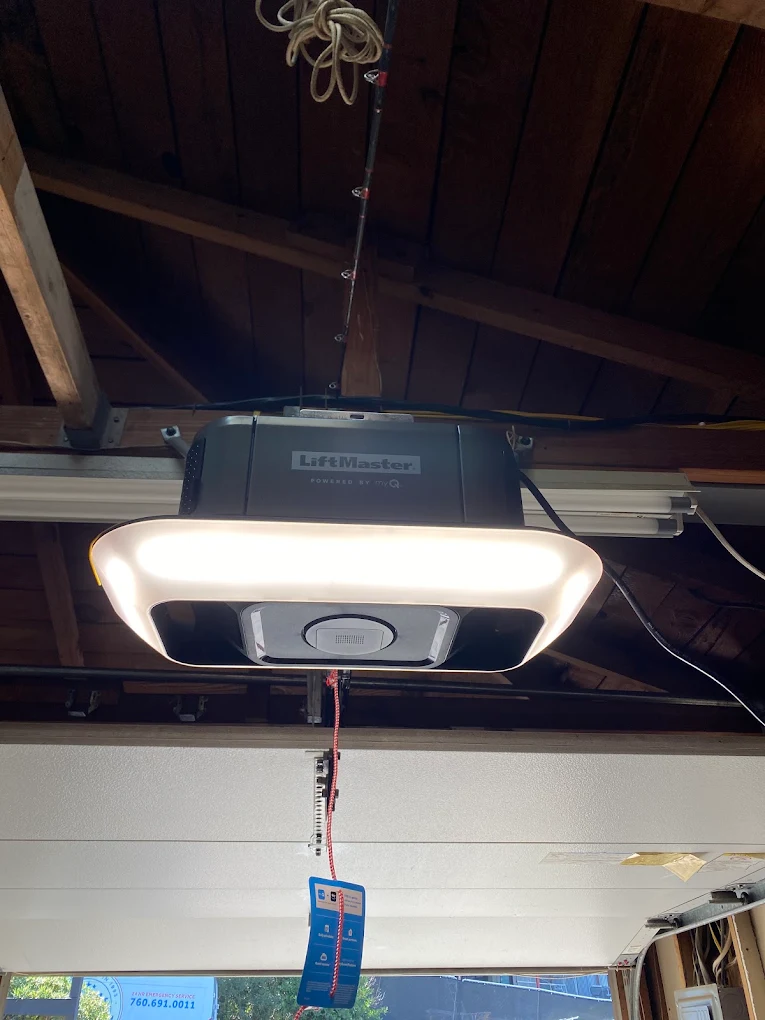
LiftMaster offers several distinct garage door opener lines, including chain drive, belt drive, wall mount, and jackshaft models, each built around different motor types, horsepower ratings, and smart features. The differences between these lines come down to how they handle door weight, how much smart connectivity they include, and how they are mounted in the garage. For San Diego homeowners comparing options, understanding these differences makes it much easier to select a model that actually fits your setup, and to recognize sooner when a unit is due for garage door opener repair instead of a full replacement.
This guide walks through LiftMaster’s main model categories and what separates one line from another. We will also cover how their smart features and warranty coverage compare across the lineup, since those details often matter as much as the drive type itself.
LiftMaster’s Lineup at a Glance
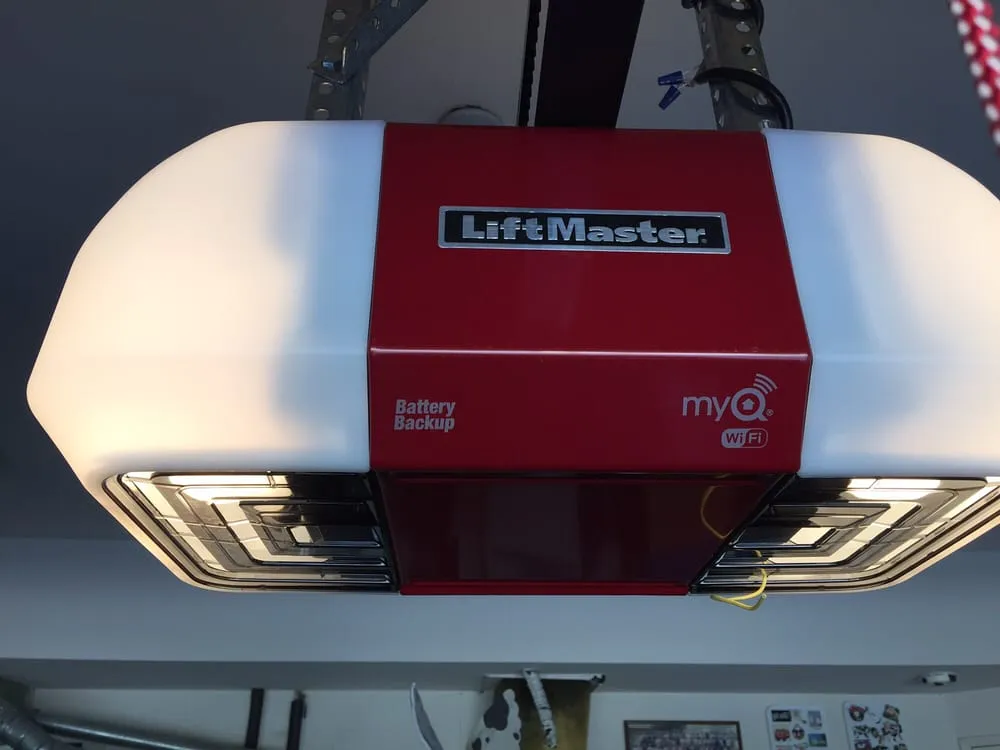
LiftMaster’s opener lineup spans a wide range of budgets and features, which can make comparing models feel overwhelming at first.
Chain Drive Series
LiftMaster’s chain drive models are typically the most budget-friendly line in their catalog.
- Built with durable metal chains designed for long-term use.
- Suited for detached garages where noise is less of a concern.
- Available in a range of horsepower options to match different door weights.
- A dependable entry point for homeowners prioritizing budget over quiet performance.
Belt Drive Series
The belt drive line is LiftMaster’s quieter alternative to chain drive models.
- Uses a reinforced belt paired with a DC motor for smoother operation.
- A common choice for attached garages near bedrooms or living spaces.
- Generally requires less routine upkeep compared to chain drive equivalents.
- Often the preferred line for homeowners upgrading specifically for quieter performance..
If you want a broader look at what noise level to expect before narrowing down a specific model, our guide on What Is the Most Quiet Garage Door Opener? is a good starting point.
Wall Mount and Jackshaft Models
LiftMaster also produces openers that mount differently from the traditional ceiling-mounted setup.
Wall Mount Advantages
Wall-mount models free up ceiling space in the garage.
- The motor sits beside the door instead of overhead, which opens up the storage room.
- This style tends to run quieter due to reduced vibration transfer through the ceiling.
- Often selected by homeowners who use their garage ceiling for storage racks.
- A practical option for garages with vaulted ceilings where a standard rail system would not fit well.
Jackshaft Use Cases
Jackshaft models are a specific type of wall-mount opener.
- Mounts directly beside the torsion bar rather than using an overhead rail.
- A strong option for garages with high ceilings or limited overhead clearance.
- Frequently paired with smart features for added convenience.
Smart Features Across LiftMaster Models
Many of LiftMaster’s current models include smart technology as a standard or optional feature.
myQ App Connectivity
LiftMaster’s app platform is included across most of its modern lineup.
- Allows homeowners to check door status remotely from a smartphone.
- Sends alerts if the door is left open longer than expected.
- Integrates with several third-party smart home platforms for added convenience.
For a closer look at how this kind of smart technology contributes to quieter performance, read How Smart Garage Door Openers Cut Down on Noise.
Battery Backup Options
Certain LiftMaster models include a built-in battery backup system.
- Keeps the opener functional during a power outage.
- A useful feature for homes that experience occasional outages during storms.
- Not included on every model, so it is worth checking before buying.
- Battery backup units are typically tested periodically by the opener itself to confirm they are ready when needed.
How LiftMaster Models Handle Everyday Use
Beyond the specs on paper, it helps to understand how different LiftMaster models actually hold up under regular daily use.
Cycle Ratings and Durability
Manufacturers often list a cycle rating that gives a rough sense of expected lifespan.
- Higher-end models are generally built to handle more open and close cycles before parts need replacing.
- Homes with multiple daily uses, such as a busy household with several drivers, may benefit from a higher-rated model.
- Consistent lubricant and inspection habits can help any model reach or exceed its expected cycle rating.
Noise Behavior as Models Age
Noise levels can shift slightly as any opener ages, and LiftMaster models are no exception.
- Belt drive units tend to stay quiet longer than chain drive equivalents as they age.
- Occasional inspection of rollers and brackets helps catch early noise changes before they become a bigger issue.
- A sudden increase in noise on an otherwise reliable model is usually worth having a professional take a closer look.
How LiftMaster Compares to Other Brands
LiftMaster is a widely recognized name, but it helps to understand how it stacks up against other manufacturers.
Motor and Horsepower Differences
Motor strength varies across LiftMaster’s lineup and against competing brands.
- LiftMaster offers horsepower options ranging from standard residential use to heavier insulated doors.
- Competing brands like Chamberlain and Genie offer similar ranges, though internal components can differ.
- Higher horsepower does not always mean louder operation, since motor quality plays an equally important role.
For a full breakdown of how drive type affects noise across brands, read Garage Door Opener Types and How Noisy Each One Gets.
Warranty and Support Considerations
Warranty length and available support can vary between models and retailers.
- Higher-end LiftMaster models often include longer warranty coverage than entry-level units.
- Local support availability can also influence which model makes the most sense long-term.
- It is worth inspecting warranty terms closely before making a final decision.
- Ask whether labor is covered separately from parts, since this varies between installers and retailers.
Bob Vila’s guide on choosing a garage door is a helpful outside resource if you are also evaluating your door alongside your opener choice.
Cost and Long-Term Value Considerations
Price is often the first thing homeowners ask about, but cost can vary quite a bit depending on the model, horsepower, and included smart features. Ongoing garage door maintenance also factors into the real cost of ownership, since some lines need more upkeep than others.
Value Across the Lineup
Each line offers a different balance of upfront cost and long-term value.
- Chain drive models tend to sit at the more affordable end of LiftMaster’s lineup.
- Belt drive and jackshaft models generally cost more upfront but often require less maintenance over time.
- Smart features can add to the overall cost, though the added convenience is worth considering against your budget.
Return on Investment Over Time
Thinking beyond the initial purchase can help you choose a model that pays off down the road.
- A quieter, well-built opener often means fewer garage door repair calls over its lifespan.
- Models with battery backup can prevent inconvenience during power outages, which adds practical value beyond noise reduction.
- Warranty coverage should factor into your overall value comparison, not just the sticker price.
Choosing the Right LiftMaster Model for a San Diego Garage
Selecting a specific model comes down to matching it with your door type and how you use your garage day to day.
Matching Model to Door Type
Door weight and insulation level both affect which model will perform best.
- Heavier insulated doors typically need a higher horsepower belt drive or jackshaft model.
- Lighter, uninsulated doors can often pair well with a standard chain drive unit.
- Checking your door’s weight rating before selecting a model helps avoid future strain.
What Installation Involves
Installation complexity can vary depending on the model type selected.
- Wall-mount and jackshaft models generally require more specialized installation than standard ceiling units.
- A professional technician can confirm whether your garage’s structure supports a specific mounting style.
- Cost can vary depending on model and installation complexity, so it is worth getting a clear picture before deciding.
Family Handyman’s overview on installing garage door openers offers useful background on what the installation process generally involves across different model types.
Finding the Right LiftMaster Model for Your Garage
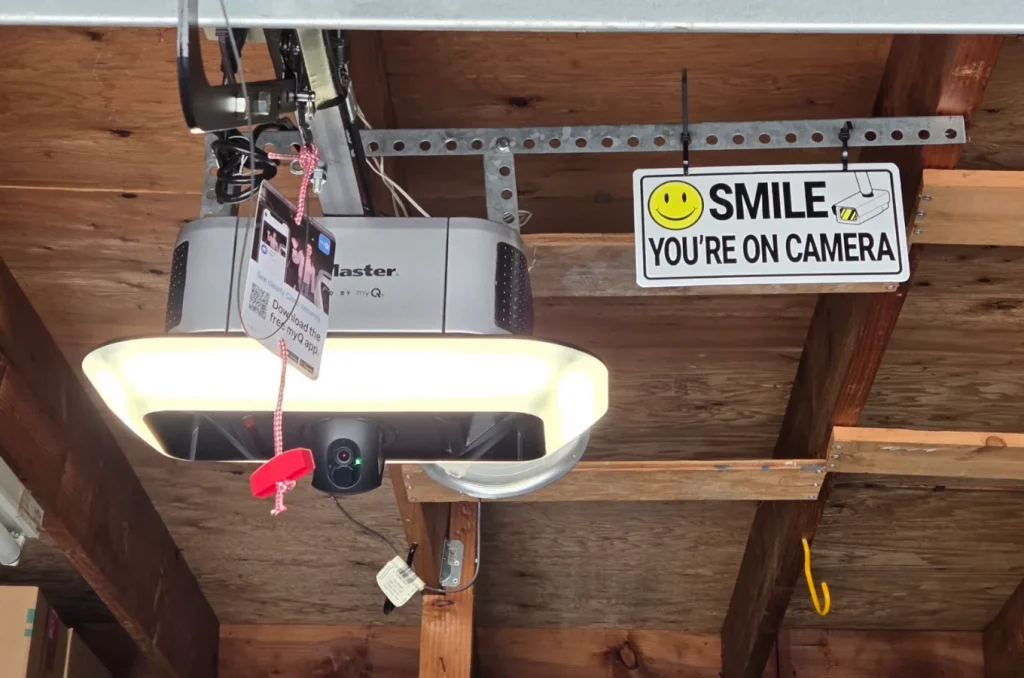
LiftMaster’s range of chain drive, belt drive, wall mount, and jackshaft models means there is likely a strong fit for almost any garage setup. The right choice comes down to your door’s weight, how much smart connectivity you want, and how your garage space is used day to day. Taking the time to compare cycle ratings and warranty terms alongside noise level will help you land on a model that holds up well for years rather than just sounding good on paper.
If you are trying to decide between LiftMaster models for your San Diego home, Bradbury Garage Doors can help you compare options based on your specific garage and door type. Our team regularly installs and services LiftMaster equipment across the area, so we can point you toward a model that fits both your budget and your noise expectations. Contact us today, or give us a call to get expert guidance before making your final decision.
Frequently Asked Questions
Does LiftMaster offer a wall-mount opener?
Yes, LiftMaster produces wall-mount and jackshaft models that mount beside the door instead of overhead.
What is myQ, and does every LiftMaster model include it?
myQ is LiftMaster's smart app platform, and while many current models include it, not every model in their lineup offers this feature.
Do LiftMaster openers come with battery backup?
Some models include a built-in battery backup system, though it is not standard across the entire lineup.
Which LiftMaster model works best for a heavy insulated door?
Higher-horsepower belt drive or jackshaft models are generally better suited for heavier insulated doors.
How long does a LiftMaster opener typically last?
With regular inspection and lubricant maintenance, most LiftMaster models can perform reliably for many years, with belt drive units often outlasting chain drive equivalents.
Is LiftMaster more expensive than other brands?
Cost can vary depending on the specific model and features, so it is worth comparing options directly rather than assuming one brand is pricier overall.
Can a LiftMaster opener be installed on any garage door?
In most cases, yes, as long as the model's horsepower matches the door's weight requirements and the garage structure supports the mounting style.
Does LiftMaster offer a jackshaft model?
Yes, LiftMaster's jackshaft options mount beside the torsion bar and are a common choice for garages with limited ceiling space.
What should I check before selecting a specific LiftMaster model?
Check your door's weight rating, whether you want smart connectivity, and whether battery backup matters for your area before choosing a model.