
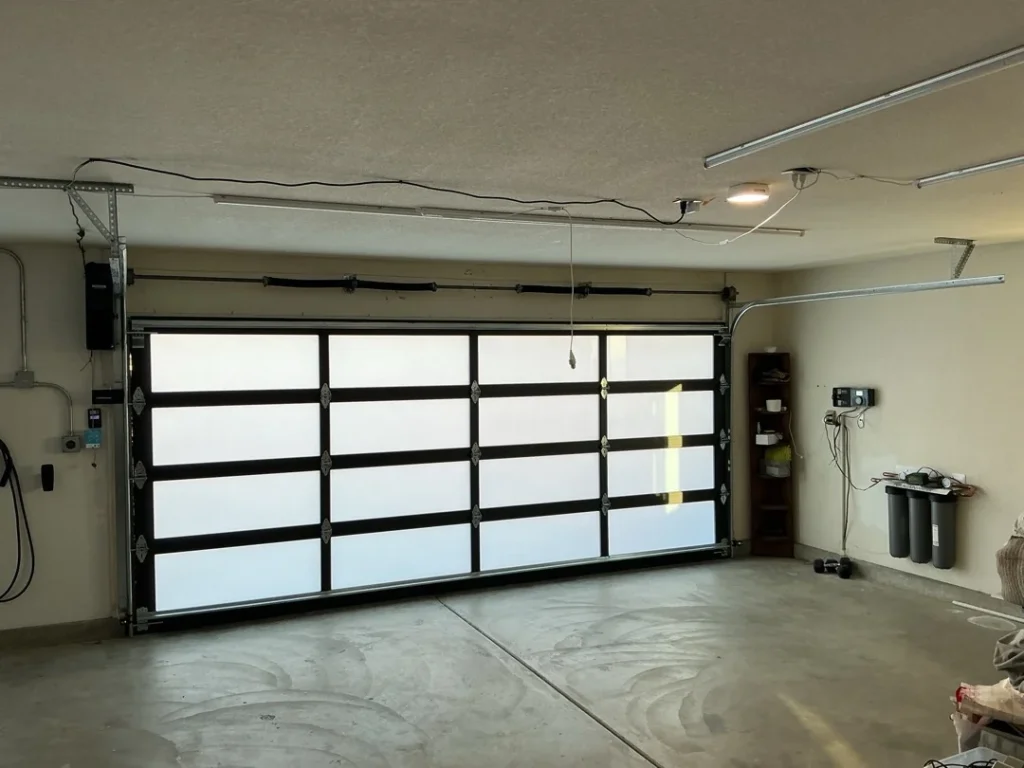
A garage door functions as a complete system made up of many moving parts used daily for convenience and security. When issues begin to develop, they are often subtle at first but can quickly affect safety and performance if overlooked.
- Garage doors rely on multiple components working together
- Daily use places ongoing stress on the entire system
- Problems may go unnoticed when the operation seems normal
- Changes in movement can signal developing issues
- Unusual sounds may indicate internal strain
- Early detection helps prevent larger system failures
- Timely garage door repair supports safe and reliable operation
Paying attention to these signs helps identify problems before they escalate, allowing garage door repair needs to be addressed early so the door can continue operating smoothly and dependably.
Signs That Indicate Garage Door Performance Issues
The way a garage door moves and sounds often reveals its condition. Subtle changes in motion, noise, or stability can indicate developing issues within the system. Noticing these early signs makes it easier to identify problems before they worsen and affect overall door performance.
For a clearer breakdown of related components and system functions, explore “What Is Included in Garage Door Repair?”
Unusual Noises During Door Operation
Garage doors are designed to move with minimal sound, so new or sudden noises often signal developing problems. These sounds usually indicate added strain or misalignment within the system.
- Grinding sounds from metal contact or poor alignment
- Scraping caused by bent tracks or loose components
- Squeaking from stressed rollers or hinges
- Popping or banging is linked to sudden component failure
When unusual noises appear, they often point to underlying issues that can worsen if left unaddressed.
Irregular or Jerky Door Movement
A garage door should travel smoothly along its tracks. Jerky or uneven movement suggests resistance or imbalance within the system.
- Shaking or shuddering during operation
- Crooked or tilted door movement
- Hesitation or stopping at certain points
- Rollers slipping or failing to move evenly
These movement changes indicate the door is under excess strain, which can affect multiple components over time.
Garage Door Not Completing a Full Open or Close Cycle
When a garage door stops before fully opening or closing, it usually reflects an internal system imbalance or obstruction.
- The door stops midway during operation.
- The opener is struggling against the door weight
- Interruption caused by track or roller resistance
- System shutdown triggered by uneven load distribution
Incomplete movement often signals that the door system is compensating for deeper mechanical or alignment-related issues involving the garage door spring.
Visible Physical Indicators of Garage Door Problems
Garage door problems can often be identified through simple visual inspection before performance is affected. Signs such as bent tracks, frayed cables, rusted springs, or cracked panels indicate developing issues that may weaken the system over time. Noticing visible damage early helps explain when minor concerns can progress into more serious garage door problems.
To understand the root causes behind these conditions, read “What Issues Typically Lead to Garage Door Repair?”
Misaligned or Shifting Door Tracks
Garage door tracks guide the door’s movement and must remain straight and secure. When tracks shift or bend, door travel becomes unstable and unsafe.
- Visible bends, twists, or uneven track alignment
- Gaps between rollers and the track surface
- Loose brackets or mounting hardware
- Scraping noises at specific points along the track
Track misalignment often leads to jamming, uneven movement, or loss of proper door guidance.
Wear or Damage on Springs and Cables
Springs and cables support the full weight of the garage door and experience constant tension. Over time, wear or damage reduces their ability to function safely.
- Rust or gaps in spring coils
- Stretched or weakened spring appearance
- Frayed or corroded cable strands
- Loose or tangled cables
Damage to these components significantly increases the risk of sudden door instability.
Cracks, Gaps, or Warping in Door Panels
Garage door panels contribute to both structural strength and alignment. When panels deteriorate, door balance and movement can be affected.
- Visible cracks near hinges or panel edges
- Panels bowing inward or outward
- Gaps between panels or along the bottom edge
Panel damage often signals deeper alignment or structural issues within the garage door system that may also require garage door cable repair.
Operational Behaviors That Signal System Trouble
Garage door opener behavior often reflects the condition of the entire door system. Delayed response, unexpected reversal, or inconsistent movement can indicate added strain or interference affecting normal operation. Noticing these changes early helps identify underlying issues before they develop into more serious problems.
For insight into how these underlying factors can extend repair timelines, read “Why Does Garage Door Repair Sometimes Take Longer?”
Delayed or Inconsistent Opener Response
A garage door opener should respond immediately when activated. Delays or inconsistent behavior often indicate strain within the opener or resistance elsewhere in the door system.
- Noticeable pause between activation and movement
- The door starts moving, then stops abruptly
- Opener motor hums before engaging
These signs suggest the opener is compensating for added load or internal resistance.
Unexpected Door Reversal During Movement
Automatic reversal occurs when the system detects obstruction or excessive resistance. When reversal happens without a clear cause, it often points to system interference.
- The door reverses while closing without obstruction.
- Safety sensors fail to maintain consistent alignment
- Resistance triggers the safety system prematurely
Repeated reversal indicates the door is encountering conditions that disrupt normal operation.
Increased Resistance While the Door Is Moving
Garage doors are designed for smooth, balanced movement. Increased resistance signals that components are no longer working together efficiently.
- The door moves more slowly than normal.
- The opener motor sounds strained during operation
- The door feels heavier than expected
- Movement stops or hesitates along the track
Ongoing resistance places added stress on the opener and increases the risk of broader system issues that may lead to garage door cable replacement.
Conditions That Contribute to Ongoing Garage Door Issues
Garage door problems often develop gradually rather than appearing suddenly. Common causes include ongoing wear on moving parts, exposure to weather conditions, and structural stress from impacts or force. Understanding how these factors affect different components helps identify early warning signs and explains why garage door issues tend to progress over time.
Gradual Mechanical Wear From Repeated Use
Garage doors operate multiple times each day, placing constant stress on moving and load-bearing components. Over time, repeated motion gradually reduces the strength and efficiency of these parts.
- Rollers are developing cracks or uneven shapes.
- Hinges loosening or showing signs of splitting
- Springs appearing stretched, weakened, or rusted
- Cables showing fraying or separation
As mechanical wear progresses, door movement often becomes noisier, slower, or less stable, signaling developing repair concerns.
Environmental Exposure Affecting Door Components
Garage doors are continuously exposed to outdoor conditions that can accelerate material breakdown. Moisture, sunlight, and temperature changes all contribute to gradual deterioration.
- Rust forming on tracks, springs, cables, or hinges
- Panels warping or bending over time
- Paint cracking, bubbling, or peeling
- Wood materials absorbing moisture or beginning to rot
Environmental damage weakens both structural and moving parts, increasing friction and reducing overall system reliability.
Structural Stress From Accidental Impact or Force
Unexpected force or impact can place immediate stress on the garage door structure. Even minor collisions can affect alignment and component stability.
- Impact from vehicles or heavy objects
- Forced operation of a stuck or jammed door
- Loose hardware creating uneven stress points
Structural stress often leads to misalignment, restricted movement, or added strain on other components, increasing the likelihood of further damage.
Recognizing When Garage Door Issues Require Attention
Knowing when a garage door needs repair helps maintain safety and reliable operation. Warning signs such as unusual noises, irregular movement, misaligned tracks, or visible wear often indicate underlying issues. Paying attention to recurring problems and addressing them promptly supports better performance and helps prevent more serious damage over time.
For homeowners seeking dependable guidance and experienced support, Bradbury Garage Doors offers a strong understanding of garage door systems and long-term performance needs. Our focus on thorough evaluation and reliable solutions helps ensure issues are identified and handled correctly. Contact us today or give us a call to take the next step toward smoother, more dependable garage door operation.
Frequently Asked Questions
What signs indicate a garage door issue may be structural rather than repair-related?
Severe bending, sagging, or widespread panel damage often indicates structural problems that affect the door’s overall integrity.
How can repeated performance issues signal deeper garage door system problems?
Recurring noise, hesitation, or movement issues often point to underlying component wear or imbalance affecting the entire system.
What sounds typically indicate an internal garage door system strain?
Grinding, scraping, or popping noises usually signal misalignment, friction between metal parts, or stressed load-bearing components, as outlined by Make It Right.
How does uneven garage door movement signal underlying problems?
Uneven movement suggests resistance or imbalance caused by track issues, worn rollers, or uneven load distribution.
What visual signs suggest garage door components are wearing out?
Frayed cables, rusted hardware, stretched springs, cracked panels, or peeling finishes commonly indicate component wear.
How can changes in door balance reveal developing repair issues?
A door that rises or falls unexpectedly often reflects weakened springs or uneven tension within the system.
What causes a garage door to stop or hesitate during operation?
Stopping or hesitation can result from increased resistance, sensor interruption, track obstruction, or excessive door weight.
How do environmental conditions contribute to visible garage door damage?
Moisture promotes rust on metal parts, while heat and sunlight can warp panels, fade finishes, and weaken materials, as noted by 8Blogs.
Why does repeated opener strain indicate broader system issues?
Opener strain usually occurs when other components fail to support the door properly, forcing the opener to compensate for system imbalance.