When a garage door stops functioning properly, it can disrupt daily routines and raise concerns about overall door reliability. Understanding what a complete garage door repair involves helps clarify what typically takes place during the process.
- A malfunctioning garage door can interfere with access and day-to-day convenience.
- Garage door repair involves more than addressing a single visible issue.
- The entire garage door system is reviewed to identify underlying problems.
- Individual components are evaluated to understand how they affect overall operation.
- Repairs focus on restoring proper movement, balance, and system stability.
- Hardware, panels, and connected parts are checked for reliable performance.
- The repair process aims to support safe operation and long-term functionality.
By reviewing the garage door as a complete system, garage door repair helps restore consistent performance and reduce the likelihood of ongoing issues. This approach supports dependable operation and helps ensure the door functions as intended over time.
Core Components Addressed During Garage Door Repair
A thorough garage door repair focuses on identifying the underlying cause of the issue by evaluating how all mechanical and electrical components work together, rather than addressing only what is immediately visible. This approach helps ensure proper operation, supports long-term reliability, and confirms that safety features and connected parts function as intended.
For a deeper look at common causes behind these problems, explore our related blog, “What Issues Typically Lead to Garage Door Repair?”
Evaluation of the Garage Door System as a Whole
A complete garage door repair begins with an overall review of how the entire system functions. This step helps identify underlying issues that may not be immediately visible but can affect performance and reliability.
- The full garage door system is reviewed to understand component interaction.
- Springs, cables, rollers, hinges, and pulleys are examined for wear or stress.
- Tracks are checked for alignment and structural stability.
- Electrical elements such as the opener, motor, and sensors are evaluated.
- Door balance is assessed to understand load distribution.
This system-wide evaluation helps ensure all contributing issues are identified, supporting a more effective and lasting repair outcome.
Mechanical Parts Commonly Serviced During Repairs
Mechanical components experience regular movement and are often central to garage door performance issues. Reviewing these parts helps restore smooth operation and consistent door movement.
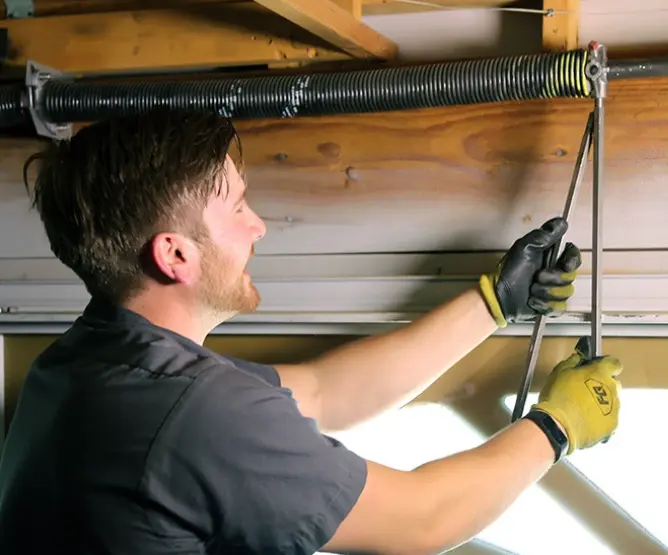
- Spring systems are reviewed for proper tension and condition.
- Rollers and hinges are examined for wear affecting movement.
- Lift cables are checked for correct tension and alignment.
- Track hardware and fasteners are evaluated for stability.
- Mechanical adjustments are made to restore proper operation.
Addressing these mechanical elements helps reduce strain on the system and supports reliable garage door function over time.
Safety and Control Components Reviewed During Service
Safety and control features play a critical role in garage door operation and user protection. A repair service includes a focused review of these components to ensure dependable response during use.
- Safety sensors are checked for alignment and obstruction detection.
- Sensor communication is reviewed to confirm proper system response.
- Automatic reversal functions are evaluated for controlled movement.
- Control systems are reviewed for consistent interaction with the door.
- Safety-related components are assessed for reliable operation.
Reviewing these systems helps support safe daily use and ensures the garage door spring and related components respond appropriately under normal operating conditions.
Structural and Mechanical Issues Commonly Repaired
Garage door issues often develop due to structural or mechanical problems that affect how the system operates. These concerns can range from alignment issues to damage impacting overall door stability and can occur in both residential and commercial garage door systems. A professional repair process focuses on identifying these underlying problems and restoring proper function to support safe, reliable operation.
To learn how these issues are recognized early, read our related blog, “How Can Garage Door Repair Problems Be Identified?”
Spring and Tension System-Related Concerns
The spring and tension system plays a critical role in supporting the weight of the garage door and controlling its movement. Problems in this area can quickly affect safety, balance, and overall operation.
- Broken or snapped springs that disrupt door movement
- Loss of spring tension causes the door to feel heavy or unstable
- Visible gaps, stretching, or deformation in the spring
- Rust or wear that weakens spring performance over time
Because springs operate under constant force, issues in this system require careful evaluation. Addressing spring-related concerns helps restore proper balance and reduces strain on other garage door components.
Track, Roller, and Hinge Alignment Issues
Tracks, rollers, and hinges guide the garage door as it opens and closes. When these components are misaligned or damaged, the door may move unevenly or place stress on the entire system.
- Bent or misaligned tracks affecting smooth door travel
- Worn rollers that cause noise or uneven movement
- Loose or shifting track hardware reduces stability
- Damaged hinges are impacting section alignment
Correcting alignment-related issues helps ensure consistent door movement and prevents further mechanical strain across the system.
Panel and Section Damage Affecting Door Stability
Garage door panels and sections contribute to both structural integrity and proper operation. Damage in these areas can interfere with alignment and reduce overall system stability.
- Dented or cracked panels that affect the door balance
- Warped sections that disrupt movement along the tracks
- Damage impacting hinges or rollers connected to the panels
- Multiple compromised sections are reducing the overall door strength
Evaluating panel and section damage helps determine how stability and performance are affected, including the need for garage door cable repair when related components are impacted. Addressing these concerns supports safe operation and helps prevent broader system issues.
Operational Problems That Indicate the Need for Garage Door Repair
Garage doors often show early warning signs when something is wrong, such as unusual movement, unexpected noises, or inconsistent operation. Recognizing these changes early helps prevent minor issues from developing into more serious problems and supports safer, more reliable door performance.
For insight into why some issues require more time to resolve, check out our related blog, “Why Does Garage Door Repair Sometimes Take Longer?”
Movement Irregularities and Balance-Related Symptoms
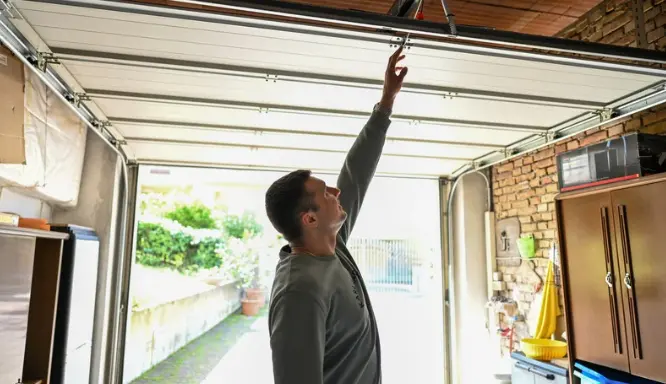
Irregular garage door movement often signals balance or mechanical issues within the system. A properly functioning door should move smoothly and remain stable throughout its travel.
- Shaking, jerking, or uneven movement during operation
- A door that feels unusually heavy or difficult to lift
- The door was failing to stay in place when partially opened
- Sudden or forceful closing movement
- Slack or uneven tension in lift cables
Addressing balance-related concerns helps reduce strain on the opener and supports smoother, more controlled garage door operation.
Noise, Resistance, and Performance Changes
Changes in sound or effort during garage door operation can indicate developing mechanical stress. These symptoms often appear before more serious issues occur.
- Grinding, squealing, or popping noises during movement
- Increased resistance when opening or closing the door
- Slower or inconsistent door travel
- Friction caused by track or roller alignment issues
- System strain resulting from loose or shifting components
Identifying the source of noise or resistance helps restore smooth performance and reduces unnecessary wear on connected parts.
Safety Sensor and Control Response Issues
Problems with garage door controls or safety systems can affect both reliability and safe operation. These issues often involve communication between sensors, controls, and the opener.
- Inconsistent response from wall controls or remotes
- Doors are reversing unexpectedly during operation
- Sensors failing to detect obstructions correctly
- Interrupted communication between safety components
- Control system irregularities affecting door movement
Reviewing safety and control response issues helps ensure the garage door operates predictably and maintains proper protective function during daily use, including situations where garage door cable replacement may be necessary to restore proper operation.
How Garage Door Repair Is Typically Evaluated and Carried Out
A professional garage door repair follows a structured process that begins with a full system evaluation to identify the underlying cause of the issue. Based on these findings, the appropriate solution is determined, whether that involves targeted repairs or broader system adjustments, helping restore reliable operation and reduce the risk of recurring problems.
Initial Condition Assessment and Safety Review
Garage door repair typically begins with a careful review of the door’s overall condition and safety status. This step helps identify visible and hidden concerns that may affect the operation or pose risks.
- Visual review of panels, hardware, tracks, and opener components
- Evaluation of safety sensors and automatic reversal function
- Assessment of spring and cable condition for signs of wear or stress
- Observation of door movement to identify instability or imbalance
Completing this initial assessment helps ensure the repair process addresses both performance and safety before any corrective work moves forward.
Repair Scope Determination Based on System Findings
Once the system review is complete, the next step is determining what repairs are truly required. This process focuses on resolving the underlying cause rather than isolated symptoms.
- Identification of primary issues contributing to door malfunction
- Review of related components that may also be affected
- Consideration of door type and system design when planning repairs
- Evaluation of repair complexity based on system condition
Defining the repair scope clearly helps ensure all contributing issues are addressed, supporting reliable garage door operation after service is completed.
Situations Where Full Door Replacement Is Considered
In some cases, system condition or damage may extend beyond practical repair. Evaluating whether replacement is appropriate helps determine the most effective path forward.
- Extensive damage affecting multiple door sections
- Structural weakening that impacts safe operation
- Limited availability of compatible replacement components
- Ongoing system issues affecting multiple major parts
Considering replacement under these circumstances helps restore safety and functionality when repair alone may no longer provide a dependable solution.
The Importance of Proper Garage Door Repair Evaluation
Understanding what is involved in garage door repair helps you better recognize issues, monitor system condition, and respond when problems arise. Knowing how repairs are evaluated and what factors influence the process supports smoother resolution, safer operation, and more consistent garage door performance over time.
For homeowners seeking dependable guidance and experienced support, Bradbury Garage Doors offers knowledgeable insight backed by hands-on experience with a wide range of garage door systems. Our focus on clear communication, careful evaluation, and reliable solutions helps ensure issues are addressed thoroughly and efficiently. If you have questions or would like to discuss your garage door concerns, contact us today or give us a call to take the next step toward dependable operation.
Frequently Asked Questions
What risks are associated with operating a garage door before repairs are completed?
Using a damaged garage door can worsen existing issues, strain other components, and create safety risks due to unpredictable movement or control failure.
What factors influence the duration of a garage door repair in San Diego, CA?
Repair time depends on issue severity, door type, and whether all required components are readily available.
What garage door components are typically evaluated during a repair visit?
Technicians review springs, cables, rollers, tracks, hardware, the opener, and safety sensors to assess overall system condition, a process that aligns with the system-wide maintenance principles outlined by HomeTips.
Does garage door repair address both mechanical and electrical issues?
Yes, garage door repair evaluates both moving components and electrical systems to restore proper coordination and operation.
How does garage door repair account for balance and load distribution?
Balance is checked to ensure the spring system supports the door’s weight, reducing stress on the opener and other components.
Are safety features reviewed as part of standard garage door repair?
Safety sensors and automatic reversal functions are reviewed to confirm that the door responds correctly during operation.
Can garage door repair resolve alignment issues affecting door movement?
Yes, alignment issues caused by tracks, rollers, or hardware are commonly corrected to restore smooth door travel.
How are damaged garage door sections assessed during repair?
Panels are examined for structural impact, alignment issues, and safety concerns to determine whether repair or broader action is needed, a process consistent with the repair considerations outlined by Clopay.
When does garage door repair extend beyond individual component issues?
When multiple major components are affected or the system shows widespread wear, broader solutions beyond single-part repairs may be considered.