
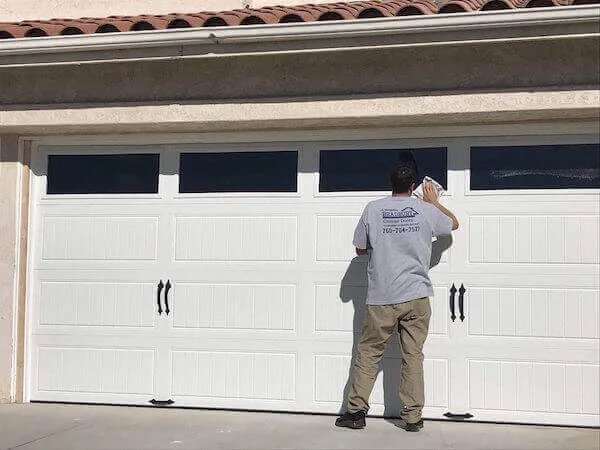
Garage door repairs don’t always follow a simple or predictable timeline. While some issues appear minor at first, the repair process can uncover conditions that require additional attention. Several factors can influence how long the work takes.
- Some garage door problems are not immediately visible during an initial inspection.
- Minor issues can reveal more extensive damage once repairs begin.
- The type of garage door system can affect repair complexity.
- Older garage doors may require closer evaluation due to long-term wear.
- The overall extent of damage plays a role in repair duration.
- A thorough assessment is often necessary to ensure proper operation.
Understanding these factors helps explain why garage door repair sometimes takes longer than expected. A careful evaluation allows underlying issues to be identified and addressed, supporting reliable and consistent door performance.
Underlying Issues That Extend Garage Door Repair Time
A garage door service may take longer when underlying problems are discovered after work begins. What first appears to be a single issue, such as a bent track, can place added stress on other parts of the system and reveal broader mechanical concerns. Over time, uneven weight distribution and ongoing strain can cause multiple components to shift or wear down together. Addressing these deeper causes requires careful evaluation, which can extend repair time but supports more reliable garage door operation overall.
For a clearer breakdown of what a full repair process involves, see our related blog, What Is Included in Garage Door Repair?
Hidden Mechanical Problems Discovered During Repairs
Garage door issues are not always limited to what can be seen at first glance. Once repair work begins, additional mechanical concerns may become apparent as related components are examined more closely.
- Some garage door problems are not visible until work is underway.
- A single issue, such as a bent track, can affect rollers, hinges, and brackets.
- Continued operation under these conditions can increase component wear.
- Opener strain may develop when door alignment is compromised.
- Addressing all affected parts can extend repair time.
Identifying and correcting these related issues helps reduce the risk of recurring problems and supports consistent garage door operation.
Structural Stress Affecting Multiple Door Components
Structural stress can impact more than one part of a garage door system. Damage caused by impact, long-term use, or shifting conditions often spreads beyond a single component.
- Structural stress can transfer force across tracks, panels, and supports.
- Impacts may cause bending, warping, or alignment changes.
- Gradual loosening of hardware can contribute to system strain.
- Door weight over time increases pressure on supporting components.
- Repairs often require inspection beyond the initially damaged area.
Addressing structural stress involves careful system evaluation, which may lengthen repair timelines but helps restore proper door alignment.
System Imbalances That Complicate Initial Repair Scope
Garage door systems depend on a balance between multiple moving components. When that balance is disrupted, repairs often become more involved than originally expected.
- An issue in one component can affect springs, cables, and tracks.
- Uneven door movement increases strain across the system.
- More complex door systems may experience cascading issues.
- Repairs may require restoring balance rather than correcting a single fault.
- Additional evaluation helps ensure stable door operation.
Taking time to correct system imbalances, including issues related to the garage door spring, helps prevent ongoing performance issues and supports smoother, more reliable garage door function.
How Specific Garage Door Components Influence Repair Duration
The time required to repair a garage door often depends on which components are affected. Some issues are straightforward, while others involve complex or sensitive parts that require careful handling. What may seem like a minor problem, such as a bent track, can take longer to address if the damage is more severe. Because garage doors rely on multiple components working together, issues with tracks, springs, cables, or the opener can each influence the overall repair timeline.
To better understand the common causes behind these problems, explore our related blog, What Issues Typically Lead to Garage Door Repair?
Track Alignment Issues and Their Impact on Repair Progress
Track alignment problems often require precise adjustments rather than quick corrections. Even minor bends can interfere with smooth door movement and create added strain on other components.
- Bent tracks must be carefully realigned to restore smooth door travel.
- Misalignment can cause scraping sounds and uneven movement.
- Adjustments require repositioning tracks without stressing the metal.
- Both sides of the track system must be aligned evenly.
- Hardware often needs to be loosened and reset during the process.
Taking the time to correct track alignment helps prevent roller damage and reduces unnecessary stress on the opener, which can extend the overall repair timeline.
Spring and Cable Conditions That Require Extended Adjustments
Spring and cable issues often increase repair time because these components support the full weight of the garage door. Their condition directly affects system balance and movement.
- Springs and cables operate under constant tension.
- Wear or damage can create safety and stability concerns.
- Adjustments require careful handling and controlled tension changes.
- New components must be calibrated to the door’s weight.
- Improper balance can lead to recurring operational issues.
Because of their critical role, spring and cable repairs are typically more involved and can lengthen the overall repair process.
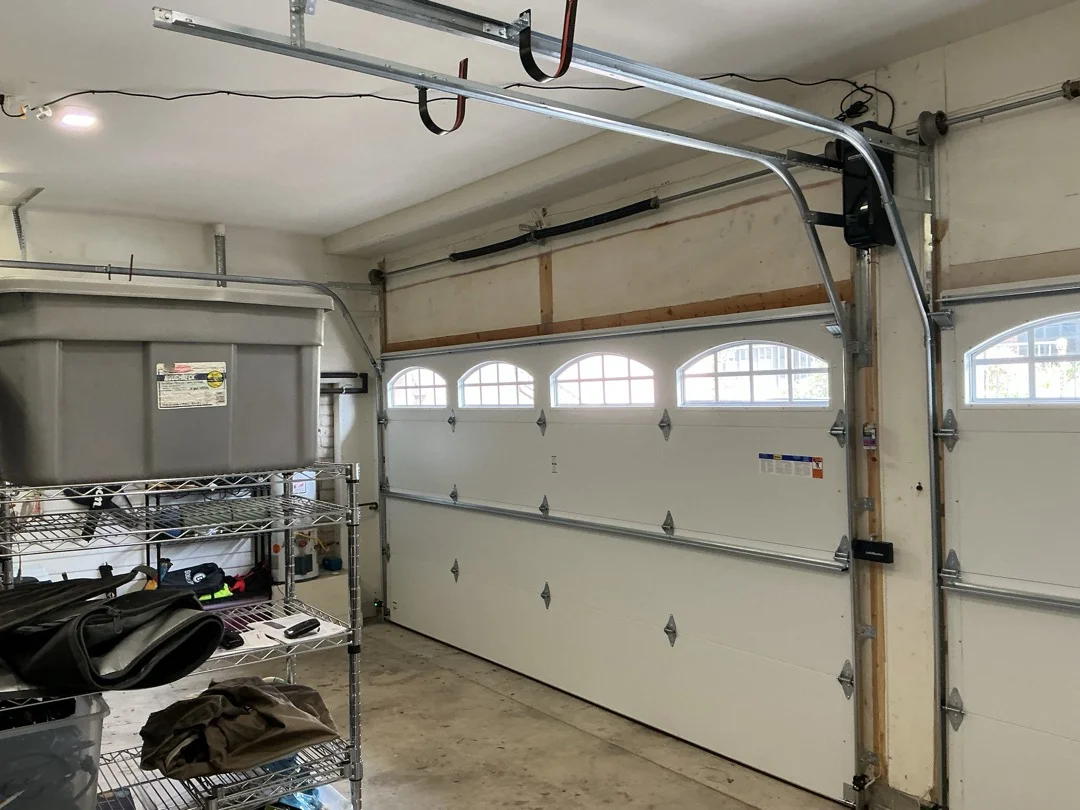
Opener System Complications That Slow Completion
The garage door opener coordinates how the entire system moves. When other components are repaired or adjusted, the opener often requires additional evaluation.
- Opener performance can be affected by track or door misalignment.
- System settings may need adjustment after mechanical repairs.
- Improper force or travel limits can affect door movement.
- Opener strain may increase if the door balance is off.
- Testing is necessary to confirm smooth, controlled operation.
Ensuring the opener works in sync with repaired components, including those involved in garage door cable repair, adds time but helps support safe and consistent garage door performance.
External Factors That Can Delay Garage Door Repair
In addition to issues with the garage door itself, external factors can also affect repair timelines. Delays may occur when replacement parts are not immediately available or when weather conditions limit safe working conditions. These factors are often outside the control of both the homeowner and the technician, but they play a role in how quickly repairs can be completed and help explain why some garage door repairs take longer than expected.
For insight into recognizing issues early, read our related blog, How Can Garage Door Repair Problems Be Identified?
Part Availability and Material Sourcing Delays
Some garage door repairs take longer because certain components are not immediately available. While many common parts are stocked, not every door system uses standard materials.
- Some damaged components cannot be repaired and must be replaced.
- Parts for older or less common door systems may require special sourcing.
- Custom or non-standard components often take longer to obtain.
- Repair work may pause until the correct materials arrive.
Waiting for necessary parts can extend the repair timeline, but it ensures the garage door is restored using components that properly match the system.
Environmental Conditions Affecting Repair Work
Weather conditions can influence how quickly garage door repairs are completed. Certain environments make it difficult or unsafe to perform precise repair work.
- Rain or moisture can limit visibility and safe handling of components.
- Strong winds may affect door stability during adjustments.
- Extreme temperatures can impact both working conditions and materials.
- Outdoor conditions may require repairs to be postponed temporarily.
Weather-related delays help protect both the repair process and the overall condition of the garage door system.
Scheduling Constraints That Extend Repair Timelines
Some garage door repairs require more than one visit due to factors discovered during initial work. Coordinating follow-up work can add time to the overall process.
- Additional issues may be identified after repairs begin.
- Repairs may pause while waiting for required components.
- Follow-up visits depend on technician availability and scheduling.
- Larger or more complex issues may require extended service time.
Although scheduling delays can be frustrating, they allow repairs to be completed thoroughly, including situations that require garage door cable replacement, and help ensure the garage door functions properly over time.
When Garage Door Repair Naturally Takes Longer Than Expected
It is common for the scope of a garage door repair to change after an initial inspection. What first appears to be a single issue may involve related components that also need attention once the system is examined more closely. An initial assessment is based on visible conditions, but a thorough evaluation can reveal additional concerns. Expanding the repair scope helps ensure the entire garage door system operates properly, even if it means the repair takes more time.
Situations Where Repair Evolves Into Broader System Work
Some garage door repairs expand once the underlying cause of the issue is identified. What starts as a visible problem may point to deeper system-related concerns.
- An off-track door may indicate imbalance elsewhere in the system.
- Worn springs or cables can contribute to recurring alignment issues.
- Opener strain may develop as related problems progress.
- Multiple components may require attention once the system is evaluated.
- Extensive damage can shift the focus from repair to full system work.
When interconnected issues are found, addressing the entire system helps restore proper function, even if the repair takes longer than expected.
Cases Requiring Additional Safety Measures
Certain garage door repairs involve conditions that require added caution. Components under tension or the weight of the door itself can increase complexity and time.
- High-tension parts require controlled handling during repairs.
- Door stabilization may be needed before work can continue.
- System pressure must be reduced gradually during component adjustments.
- Unstable doors require extra steps before realignment.
- Safety protocols must be followed throughout the process.
These additional measures extend repair time, but help ensure the garage door operates safely once work is completed.
How Expanded Repair Scope Impacts Overall Timelines
Repair timelines can change as new issues are discovered during service. Each additional finding can add steps to the repair process.
- Initial issues may reveal related component wear or damage.
- Repairs can grow from single-part fixes into multi-part adjustments.
- Each added repair requires careful evaluation and completion.
- System-wide checks may follow component repairs.
- Repair plans often adjust as new information becomes available.
Although an expanded repair scope can lengthen timelines, it allows all contributing issues to be addressed for more reliable garage door performance.
Why Understanding Garage Door Repair Timelines Matters
Understanding what can cause garage door repairs to take longer than expected helps set realistic expectations. Hidden issues, added system complexity, or scheduling factors can all influence repair timelines. Being aware of these possibilities makes it easier to follow the repair process, communicate clearly, and stay prepared if delays occur.
For homeowners looking for dependable support and clear guidance, Bradbury Garage Doors is a trusted name known for careful evaluation and thorough repair work. Our focus on understanding the full condition of the garage door system helps ensure issues are addressed properly from the start. If you have questions or need assistance with your garage door, contact us today or give us a call to take the next step toward reliable operation.
Frequently Asked Questions
What signs indicate a garage door track issue versus a broader door problem?
Track issues often involve visible bends or scraping sounds, while broader problems may include uneven movement, excessive door weight, or inconsistent opener behavior.
What risks are associated with operating a garage door before repairs are completed?
Using a damaged garage door can lead to sudden door movement, further system damage, or safety hazards caused by failing components.
What types of garage door issues are most likely to extend repair timelines?
Problems involving springs, cables, alignment, or the opener typically require more time due to system-wide impact and careful handling, as explained by Make It Right.
How does the age of a garage door system affect repair duration?
Older garage doors often have more wear-related issues and may require additional evaluation or harder-to-source components, increasing repair time.
Why do some garage door repairs require multiple service visits?
Additional visits may be needed when new issues are identified or specific parts must be obtained before repairs can be completed.
How do garage door component dependencies affect repair progress?
Because garage door parts work together, damage to one component can affect others, requiring broader inspection and adjustment.
Can diagnostic findings change the expected length of a garage door repair?
Yes, a detailed inspection can reveal additional problems that expand the repair scope and extend the timeline.
Why might garage door repairs pause after work has already started?
Repairs may pause if a required component needs to be sourced before work can continue properly, as noted by Door Supply.
How does overall garage door system complexity influence repair time?
More complex or heavier garage door systems involve additional components, making diagnosis, alignment, and balancing more time-consuming.