
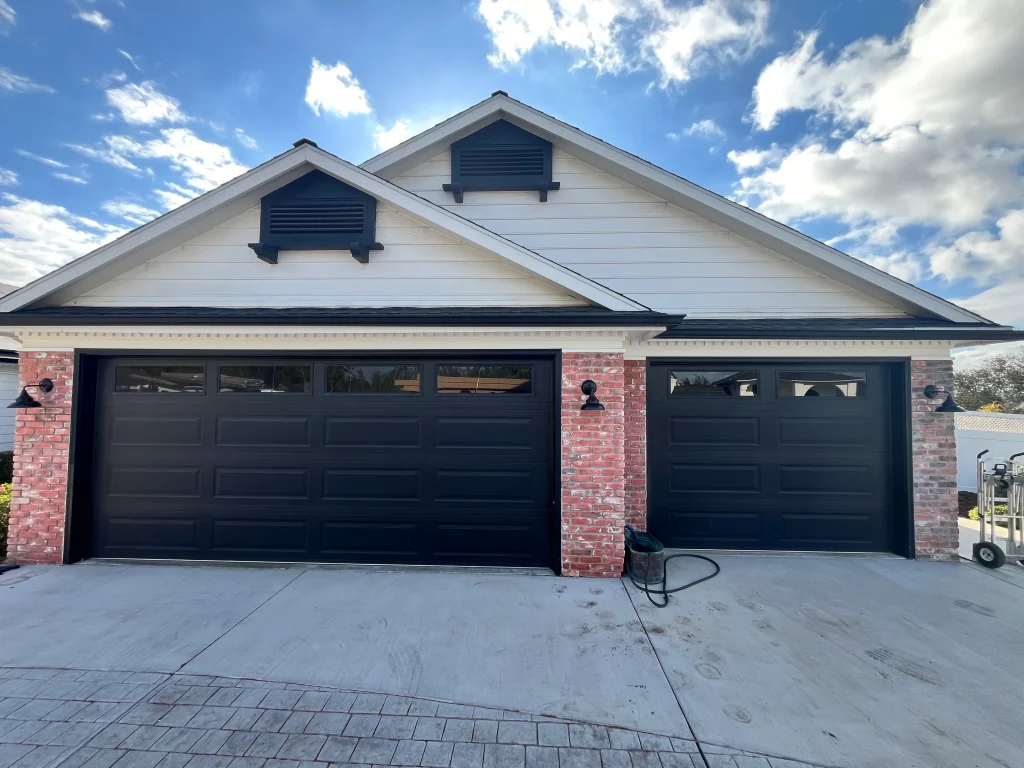
Most homeowners do not think about their garage door until something goes wrong. It opens, it closes, and that is usually the end of the story. But like any mechanical system used multiple times a day, a garage door needs regular attention to stay safe and function properly over the long haul.
In San Diego, maintenance takes on extra importance because of the coastal climate, UV exposure, and salt air that gradually wear down materials and hardware. And during summer, when school is out, and kids are constantly moving in and out of the garage, a door that is not properly maintained becomes a safety risk on top of a mechanical one. Staying consistent with upkeep is the simplest way to avoid a garage door repair that could have been prevented.
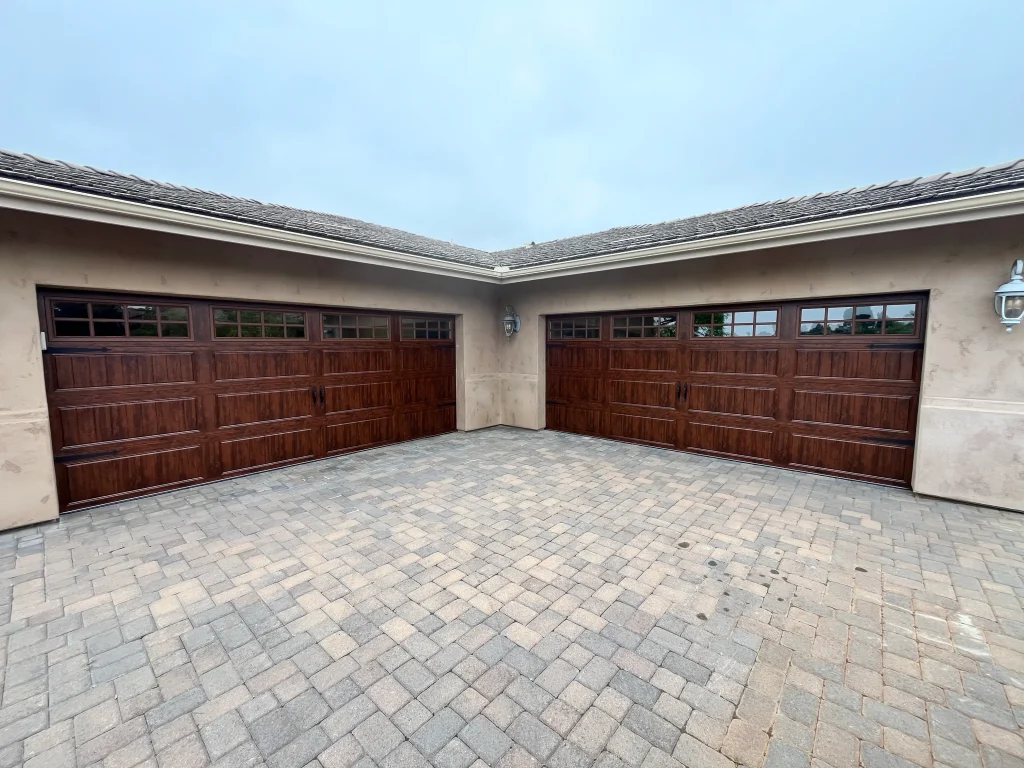
Summer Is When Your Garage Door Works the Hardest
School is out, the kids are home, and your garage door is being triggered far more than during the rest of the year. That increased activity puts more stress on every moving part, and it also means your family is around the door more often than usual. A door with minor issues in spring can turn into a real problem by mid-July when it is being used a dozen or more times a day.
Why Summer Maintenance Should Be on Your Calendar
- Increased daily use puts more strain on springs, cables, rollers, and the opener motor
- Kids moving in and out means the door needs to be operating safely at all times
- Heat causes metal components to expand, which affects balance and track alignment
- UV exposure accelerates fading and cracking on wood and certain painted finishes
If you are not sure what safety features your door currently has, read Garage Door Safety Features Every Homeowner Should Know before summer gets underway. Knowing what is working and what is not is the first step to keeping your household safe during the busiest season of the year.
Lubricate the Moving Parts Twice a Year
Keeping moving parts properly lubricated prevents grinding, reduces noise, and slows down wear on metal components. When parts run dry, friction shortens the life of rollers, hinges, and springs faster than normal use would on its own. Use a lubricant specifically made for garage doors and apply it before summer and before winter.
What to Lubricate and What to Leave Alone
- Lubricate: rollers, hinges, torsion springs, bearing plates, and the opener chain or screw drive
- Do not lubricate: the tracks, the bottom rubber seal, or the photo-eye sensors
- Use a product specifically designed for garage doors, not WD-40 or general household spray
- Wipe away excess lubricant after applying to prevent dripping or dust buildup
Test the Balance of Your Door
A properly balanced door does most of the lifting on its own because the springs are calibrated to offset the door’s weight. When the balance shifts, the opener motor carries more load than it was designed to, wearing it out faster. Disconnect the opener by pulling the manual release cord, lift the door to about waist height, and let go. A balanced door holds its position without drifting.
Signs Your Door May Be Out of Balance
- The door drifts up or drops down when released at mid-height
- One side appears higher than the other during operation
- The opener motor sounds like it is straining more than usual
- The door moves unevenly or jerks during opening or closing
Inspect the Springs and Cables Regularly
Garage door springs and cables are under the most tension in the entire system and are the parts most likely to cause injury if they fail without warning. Inspect them visually on a regular basis and call a professional at the first sign of wear. Never attempt to adjust or replace springs yourself, as the stored tension is significant and releasing it incorrectly causes serious injury.
What to Look For During a Visual Inspection
- Gaps or separations in the coils of a torsion spring
- Rust or visible corrosion on either spring type
- Frayed, kinked, or slack cables that have lost proper tension
- Extension springs are missing their safety cables running through the center
Check and Clean the Photo-Eye Sensors
Photo-eye sensors sit low to the ground and are easy to bump or let get dusty, especially during a busy San Diego summer when the garage is constantly in use. Even a thin layer of dust on the lens affects how reliably they respond. A quick monthly wipe and alignment check is all it takes to keep them working correctly.
How to Keep Sensors Working Correctly
- Wipe sensor lenses with a soft dry cloth every month, more often during dusty periods
- Check that both sensors are aligned and indicator lights are solid, not blinking
- Make sure nothing has shifted the sensor brackets after any work done in the garage
- Test the beam response at the start of each season and before any period of heavy use
Test the Auto-Reverse Feature
The auto-reverse feature stops the door when it makes contact with something during closing. It works alongside the photo-eye sensors but operates independently through the opener’s force sensitivity settings. During summer, when children are spending more time around the garage, this feature needs to be working without any hesitation.
Place a flat piece of wood on the ground in the door’s path and close the door. It should stop and reverse within one to two seconds of contact. According to how to inspect and maintain your garage door, testing the auto-reverse is one of the most important and most commonly skipped steps in routine maintenance.
When and How Often to Run This Test
- Test before summer when increased use and child activity make it most critical
- Run the test at least every three months throughout the year
- If the door pushes through the wood instead of reversing, call a professional immediately
- Stop using the door entirely if it fails the test until the issue is resolved
Inspect and Replace the Bottom Seal
The rubber seal along the bottom of the door keeps out dust, insects, water, and outside air. In San Diego, sun exposure dries it out faster than in cooler climates. Once it starts cracking or losing shape, the gap it leaves lets in heat, pests, and debris. Replacement seals are inexpensive and most homeowners can handle the swap without professional help.
Signs the Bottom Seal Needs Replacement
- Visible cracks, tears, or missing sections along the rubber strip
- Light is visible underneath the door when it is fully closed
- Increased dust, insects, or debris appearing inside the garage
- The garage heats up noticeably faster in summer, despite the door being closed
If your door is aging and maintenance is no longer keeping up with the wear, our guide on Types of Garage Doors: What’s Best for Your Home can help you choose the right replacement before the problem gets worse.
Keep the Tracks Clean and Properly Aligned
Dirt, debris, and small objects caught inside the tracks cause the door to bind, skip, or come off track entirely. Tracks do not need lubricant but do need regular cleaning and occasional alignment checks. Wipe the inside of both tracks with a damp cloth a few times a year and confirm the mounting brackets are still secure. Making track cleaning a consistent part of your garage door maintenance routine is one of the easiest ways to prevent unnecessary wear on the entire system.
Track Maintenance Checklist
- Wipe the inside of both tracks with a damp cloth every few months
- Check that both tracks are plumb and parallel with no visible bends or gaps
- Look for loose mounting bolts where the track brackets attach to the wall
- Do not apply lubricant to the track surface, as this causes slipping rather than smooth operation
Check the Weatherstripping Along the Sides and Top
Most homeowners remember the bottom seal but overlook the weatherstripping along the sides and top of the door frame. This stripping seals the gaps between the door and the frame, keeping out wind, dust, and moisture. In San Diego, summer heat and dry air accelerate breakdown, and side and top weatherstripping typically needs attention every two to three years.
What to Check on the Weatherstripping
- Run your hand along the sides and top of the closed door and feel for air coming through
- Look for sections that have pulled away from the frame or are visibly cracked
- Press the stripping gently to check if it still has flexibility or has gone hard and brittle
- Replace sections that no longer create a firm seal when the door is fully closed
Schedule an Annual Professional Inspection
Homeowner maintenance covers a lot of ground but has limits. A professional technician can assess spring tension, opener force settings, cable drum condition, and hardware torque in ways that are difficult to evaluate from the outside. In San Diego, where coastal air and high summer usage accelerate wear, scheduling an inspection before summer starts is the most practical approach.
The IDA care and maintenance guide recommends professional servicing as a key part of keeping garage doors safe and extending their operational life beyond what routine homeowner maintenance can achieve on its own.
What a Professional Inspection Typically Covers
- Full assessment of spring tension and cable condition
- Opener force and sensitivity settings calibration
- Hardware inspection, including hinges, rollers, brackets, and bolts
- Safety feature testing, including auto-reverse and photo-eye sensor function
If your inspection reveals that the door has too much wear to justify continued maintenance, our guide on When to Replace a Garage Door Instead of Repairing It can help you decide when replacement makes more sense than another repair.
A Well-Maintained Door Is a Safer Door
Staying on top of garage door maintenance keeps the largest moving part in your home working safely, especially during the months when it is used the most and your family is most active around it. Small checks done regularly save you from emergency repairs and keep everyone safer.
Bradbury Garage Doors knows every component of your garage door system and what to look for before small issues turn into bigger ones. Our team checks everything so you can head into the busy season with confidence. Contact us today, or give us a call to schedule your maintenance visit today.
Frequently Asked Questions
Can I use WD-40 to lubricate my garage door?
No. WD-40 is a solvent and degreaser, not a long-term lubricant. Use a product specifically formulated for garage doors to properly coat and protect metal components.
How do I know if my garage door springs need to be replaced?
Visible gaps in the coils, rust, uneven door movement, or a door that feels unusually heavy when lifted manually are all signs the springs may be wearing out or close to failure.
Is it safe to do garage door maintenance myself?
Most visual inspections, lubrication, sensor cleaning, and seal replacement are safe for homeowners. Anything involving spring tension, cable adjustment, or opener calibration should always be handled by a professional.
Why does my garage door shake when it opens or closes?
Shaking is usually caused by worn rollers, loose hardware, or a door that is out of balance. Tighten any visible loose bolts and have a technician inspect the balance and track alignment if the issue continues.
How long do garage door rollers last?
Standard nylon or steel rollers typically last between five and seven years, depending on usage and maintenance. Rollers that are cracked, chipped, or wobbly should be replaced before they cause damage to the track.
What is the best time of year to schedule a garage door inspection in San Diego?
Late spring, just before summer begins, is ideal. This ensures safety features are working correctly before children are home full-time and the door is being used more frequently throughout the day.
Can heat affect how my garage door operates?
Yes. High temperatures cause metal components to expand slightly, which can affect door balance, track alignment, and opener sensitivity. If your door starts behaving differently during summer, a professional check is a good idea.
How do I know if my bottom seal needs to be replaced?
If you can see light under the door when it is fully closed, notice more dust or insects inside, or the rubber looks cracked and brittle, the seal needs to be replaced. It is an inexpensive repair that makes a noticeable difference.
What happens if I skip annual garage door maintenance?
Skipping maintenance allows small issues to develop into larger failures. Springs can snap without warning, cables can fray and break, and sensors can drift out of alignment. Regular maintenance is almost always less expensive than emergency repairs.