
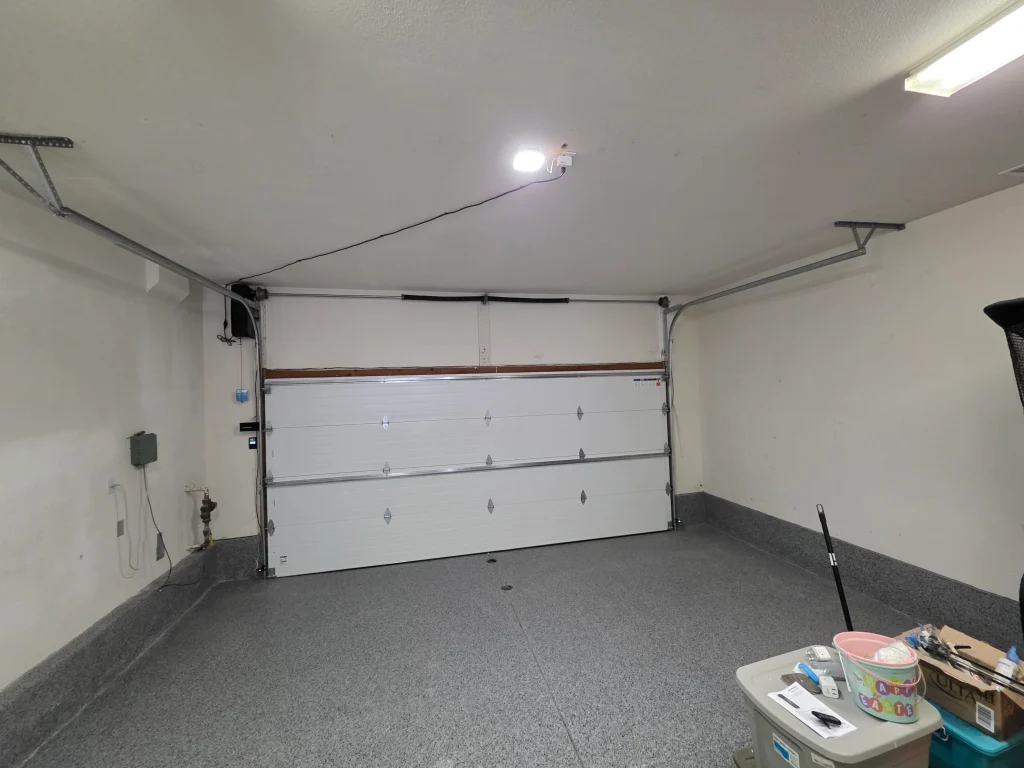
Your garage door is one of the hardest-working parts of your home. It opens and closes multiple times a day, deals with weather changes, and takes on regular wear and tear. So when something goes wrong, the first question most homeowners ask is, do I call for a garage door repair or replace it entirely?
That is not always an easy call. Some issues are quick and affordable to repair. Others are a warning sign that your door has reached the end of its useful life. Knowing the difference can save you money, protect your home, and keep your family safe. If you live in San Diego, the coastal climate, salty air, and heat cycles can speed up wear on garage door materials, making it even more important to catch problems early.
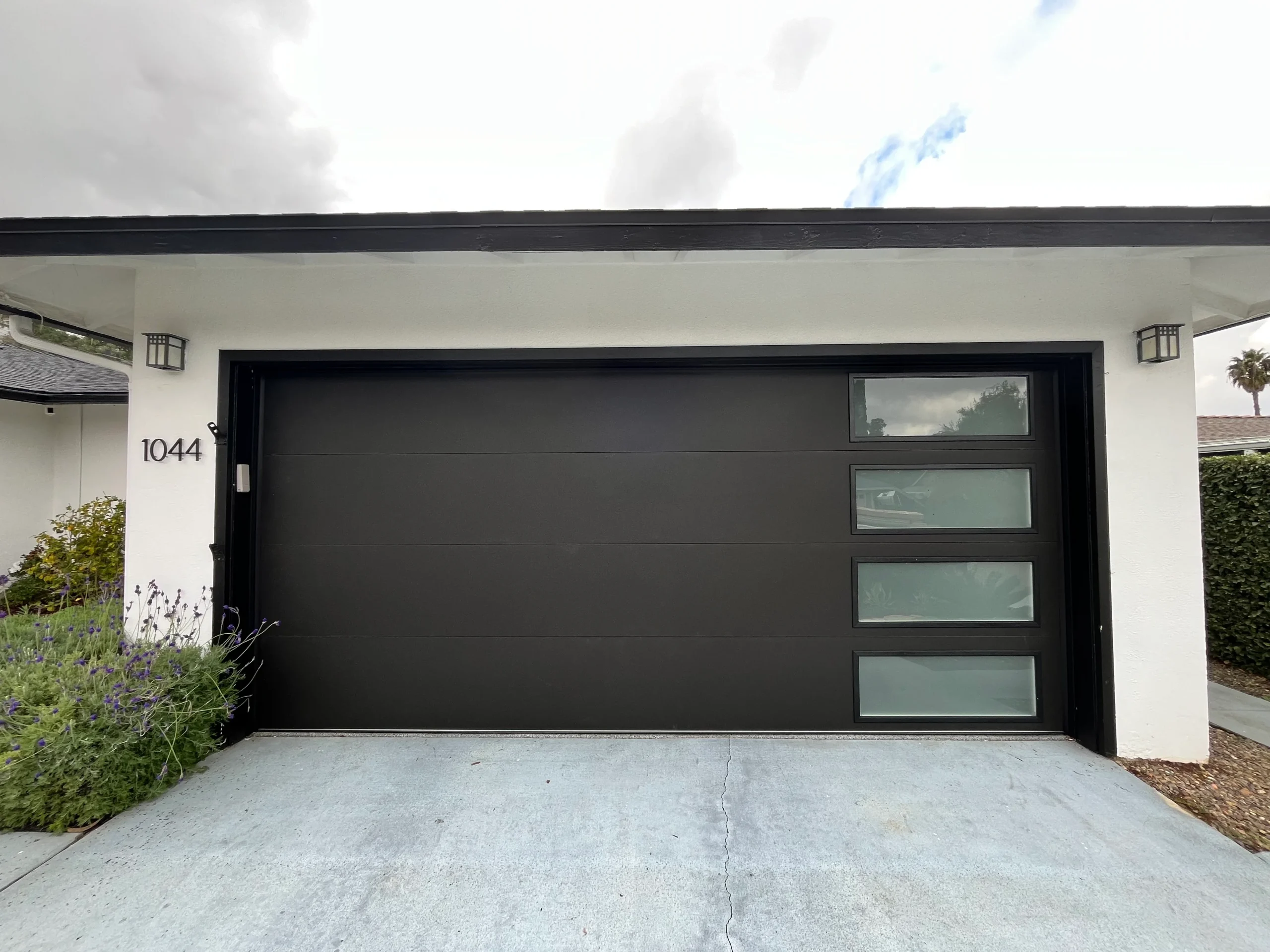
Your Garage Door Has Visible Structural Damage
Dents, cracks, and warping might look like cosmetic issues, but when the structure of your door is affected, the entire system starts to break down. A warped panel throws off track alignment, and a cracked section lets in moisture that weakens the door over time. If more than one panel is compromised or the frame itself is affected, a full replacement is usually the smarter move.
When the Damage Goes Beyond Surface Level
- Multiple panels are bent, cracked, or caved in from impact
- The door no longer sits flush in the frame when closed
- Gaps appear along the bottom or sides of the door
- The door shakes or rattles excessively during operation
For a full breakdown of what current safety systems include, read Garage Door Safety Features Every Homeowner Should Know.
You Are Calling for Repairs Too Often
One repair is normal. Two in a year might be acceptable. But if you are scheduling service calls every few months, that is a pattern worth taking seriously. Once one component starts failing, others tend to follow, and you end up spending money on repairs that only address the symptom, not the root cause.
The Repair Cycle That Never Ends
- The opener stops responding or reverses unexpectedly on a regular basis
- Cables, springs, or rollers need replacement more than once every two years
- Sensors keep falling out of alignment without an obvious cause
- The door moves unevenly or hesitates during operation
Safety Features Are Outdated or Not Working
Modern garage doors come with auto-reverse sensors, tamper-resistant hardware, and rolling code technology. If your door was installed before 1993, it likely does not meet current safety standards. A door without these protections is not just outdated, it is a liability, especially when children or pets are nearby.
Old Doors Come With Old Standards
- The door does not reverse when it contacts an object during closing
- Photo-eye sensors are broken, missing, or non-functional
- The opener uses a fixed code that can be copied by a scanner
- Manual release and emergency disconnect features are absent or broken
The Door Is Making Loud or Unusual Noises
A properly working garage door should operate with minimal noise. Grinding, squealing, banging, or popping are the door’s way of telling you something is wrong. Homeowners dealing with common garage door problems often find that noise is one of the first indicators that a bigger issue is developing underneath the surface.
What Different Sounds Are Telling You
- Grinding or scraping: worn rollers, bent tracks, or a misaligned door
- Popping or banging: torsion spring issues or loose hardware
- Squealing: metal parts that need lubricating or rollers that are worn out
- Rattling: loose panels, bolts, or an opener that has shifted
Springs or Cables Are Failing Repeatedly
Garage door springs and cables carry the full weight of your garage door and keep everything balanced during operation. A single failure can happen on any door regardless of age, but if these components are breaking more than once or multiple parts are failing within a short period, the entire system is under too much stress. According to information on what happens when a garage door spring breaks, recurring failures are a strong sign the door itself may be contributing to the problem.
When the Core Components Break Down
- A spring has snapped and the door will not open at all
- Cables are frayed, slack, or have jumped off the drum
- The door opens unevenly, with one side higher than the other
- Springs have been replaced multiple times in the last few years
The Door Is More Than 15 to 20 Years Old
Most garage doors last between 15 and 30 years, depending on material, maintenance, and climate. In San Diego, coastal air and salt exposure can shorten the lifespan of certain materials, especially steel doors that were not properly coated or sealed. Age alone is not always a reason to replace, but it does change the conversation when repairs are needed, and parts become harder to source.
Age Matters More Than You Might Think
- Are replacement parts still available and easy to source?
- Has the door been properly maintained throughout its life?
- Does the door still close flush and seal properly against the weather?
- Has it required multiple significant repairs in the past few years?
Energy Efficiency Has Become a Problem
Older garage doors without insulation allow heat in during summer and let cool air escape, putting extra pressure on your home’s HVAC system. In San Diego, where summer temperatures can push well above 90 degrees, a garage that absorbs and radiates heat into the rest of your home is a real problem. Replacing weatherstripping can help with minor gaps, but if the panels themselves are thin or warped, a full replacement with an insulated door is the more effective solution.
Drafts and Temperature Loss Add Up Over Time
- You can feel the outside air or see light coming in around the edges
- The garage gets extremely hot in summer, even with the door closed
- The weatherstripping is cracked, brittle, or missing entirely
- The door panels are thin with no insulation layer
You Want to Improve Your Home’s Curb Appeal
Not every reason to replace a garage door is about something going wrong. Since your garage door takes up a significant portion of your home’s front-facing exterior, its appearance directly affects curb appeal and property value. In a market like San Diego, where property values are high, an outdated or worn door is worth taking seriously.
Signs the Door Is Ready for a Visual Upgrade
- Paint is peeling, fading, or has been repainted multiple times
- The style is visually mismatched with the current home exterior
- Panels are dented or discolored in ways that cannot be easily repaired
- Neighbors and buyers have commented on the door’s appearance
Our guide on Types of Garage Doors: What’s Best for Your Home walks through the most common styles and materials to help you choose the right fit.
You Have Been Skipping Regular Maintenance
A well-maintained garage door lasts significantly longer than one that has been ignored. If your door has gone years without a professional inspection, it may be in worse shape than it looks. Wear on internal components is hard to spot without knowing what to check. Staying consistent with garage door maintenance is the most reliable way to catch these hidden issues before they turn into something more serious.
What Neglected Maintenance Often Leads To
- Rollers that have worn flat and are grinding against the tracks
- Springs that have lost tension and are close to snapping
- Cables that are fraying without any visible outside signs
- Hinges and brackets that have loosened and affect the door alignment
For a full maintenance schedule and what to look for, read How to Maintain Your Garage Door and Extend Its Life.
The Door Opener Is Incompatible or Failing
Opener failure does not always mean the door needs to go. In many cases, replacing just the opener restores full function. But when an aging opener and an aging door are failing together, or when the door’s hardware is too worn for a new opener to solve the performance issues, a full system replacement makes more sense.
Sometimes the Problem Starts With the Motor
- The door hesitates, reverses, or stops mid-cycle even with a new opener
- The current door is too heavy for standard residential openers due to wear
- The opener model has been discontinued and parts are no longer available
- Smart home or app-controlled access is desired and requires a compatible door
How to Make the Final Call
When deciding between repair and replacement, look at the full picture rather than just the current problem. A good rule of thumb used by most garage door professionals: if the repair cost is more than 50 percent of the cost of a new door and the door is already past the 10-year mark, replacement is usually the better investment.
A Simple Way to Think It Through
- How much longer do you plan to stay in the home?
- Is the current door insulated or energy efficient?
- Does the door meet current safety standards?
- Are parts still available for your model?
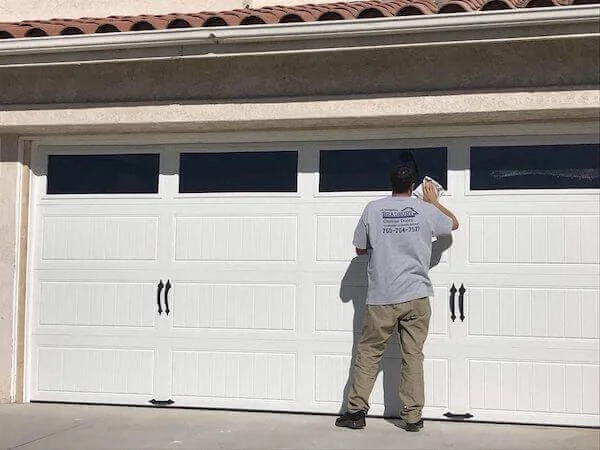
The Right Door Makes All the Difference
Knowing the signs that point toward replacement puts you in control before a bigger problem forces your hand. Replacing a garage door often pays off in safety, comfort, and long-term value.
If you are in the San Diego area and are not sure whether your door needs a repair or a full replacement, Bradbury Garage Doors is here to help. Our team can assess your current door, walk you through your options, and give you an honest recommendation based on what your home actually needs. Contact us today, or give us a call to schedule a consultation.
Frequently Asked Questions
Is it safe to use a garage door with a broken spring?
No. A door with a broken spring is under uneven tension and can fall without warning. Stop using it immediately and call a professional.
Can I replace just one panel instead of the whole door?
Yes, if the damage is limited to one panel and the rest of the door is structurally sound. If multiple panels are affected, a full replacement is usually more practical.
What is the average lifespan of a garage door in San Diego?
Most doors last between 15 and 30 years. Coastal environments like San Diego can accelerate wear, particularly on uncoated steel doors.
Does replacing a garage door add value to a home?
Yes. A new garage door consistently ranks among the top home improvement projects for return on investment, improving curb appeal, efficiency, and function.
How often should a garage door be professionally inspected?
At least once a year. For older or heavily used doors, twice a year is a reasonable schedule to stay ahead of issues.
What causes a garage door to become unbalanced?
Spring wear is the most common cause. Uneven tension makes the door harder to lift on one side and puts added strain on the opener and hardware.
Is a noisy garage door always a sign of a serious problem?
Not always. Minor noise can often be resolved with lubrication or hardware adjustments. Persistent grinding or banging usually points to worn components that need professional attention.
What type of garage door material holds up best in coastal climates?
Fiberglass, aluminum, and composite materials tend to resist rust and corrosion better than untreated steel in coastal environments like San Diego.
Can a garage door be repaired after a vehicle impact?
Minor impacts affecting one or two panels can sometimes be repaired. Significant impacts that affect the tracks, frame, or structural integrity usually require full replacement.