
Choosing a new garage door is not as straightforward as it might seem. There are different styles, materials, insulation levels, and operating mechanisms to consider, and the right choice depends on more than just how it looks. It depends on how your garage is used, what the local climate demands, and what kind of maintenance you are realistically going to keep up with. Making the right choice from the start also reduces the chances of needing an early garage door repair down the road.
In San Diego, where homes range from modern coastal builds to traditional inland properties, the options are wide open. But that also means there is more room to make the wrong choice if you go in without a clear picture of what each door type actually offers. This guide breaks down the most common garage door types, what makes each one a good fit, and what to watch out for before you decide.
Sectional Garage Doors
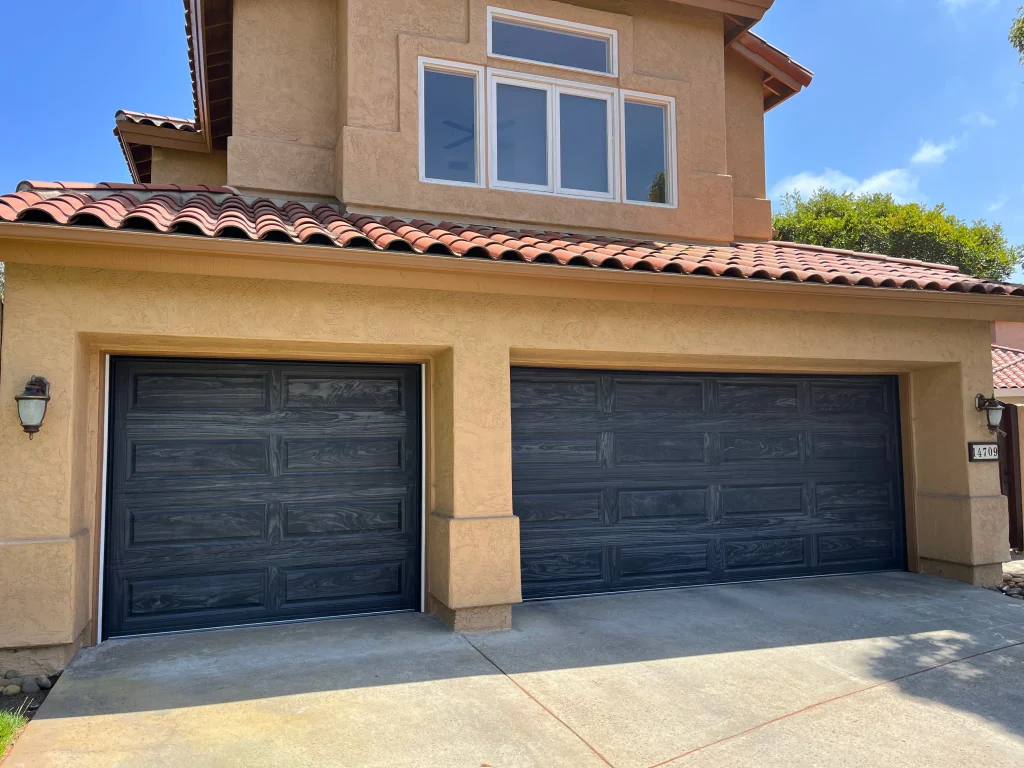
Sectional doors are the most common type installed in residential homes across the United States, and for good reason. They are made up of horizontal panels connected by hinges that bend as the door travels up a curved track and lies flat against the ceiling. Because they open vertically rather than swinging outward, they work well in driveways with limited space. Their design also makes garage door installation faster and more affordable compared to other door types.
Why Homeowners Choose Sectional Doors
- They do not require clearance in front of the garage to open
- Available in a wide range of materials, including steel, wood, aluminum, and composite
- Most modern safety features and insulation options are compatible with this style
- Easy to find replacement panels if one section is damaged
If your current sectional door has been showing signs of wear and you are wondering whether to repair or replace it, our guide on When to Replace a Garage Door Instead of Repairing It can help you make that call before you start shopping.
Roll-Up Garage Doors
Roll-up doors, sometimes called coiling doors, operate by rolling the door material into a coil above the opening rather than moving along a track. They are more commonly seen in commercial settings, but residential versions are available and are a practical choice for garages with very limited ceiling space or where a traditional track system is not feasible.
When a Roll-Up Door Makes Sense
- The garage ceiling is too low for a standard sectional door track system
- The space is used frequently, and durability under heavy use is a priority
- You want a door with fewer moving parts that require less ongoing maintenance
- The garage functions more as a workspace or storage unit than a traditional car bay
Once your new door is installed, keeping it in good working condition is what makes it last. Our guide on How to Maintain Your Garage Door and Extend Its Life walks through everything you need to do to protect your investment season after season.
Carriage House Garage Doors
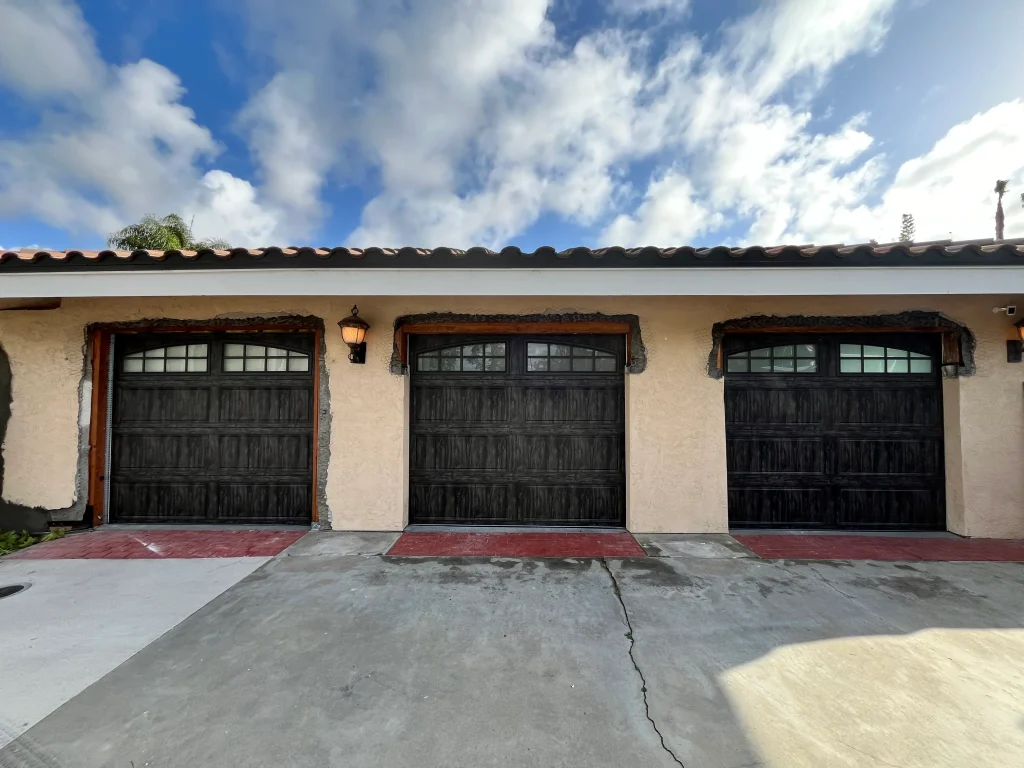
Carriage house doors are designed to look like the swing-out barn-style doors of older homes, but most modern versions actually operate as sectional doors with the carriage house aesthetic built into the panel design. They are one of the most popular choices for homeowners who want to add visual character to the front of their home without giving up the convenience of an automatic opener.
In San Diego neighborhoods where craftsman, Spanish revival, and traditional architectural styles are common, carriage house doors are a natural fit. According to a guide on how to choose a garage door, matching the door style to your home’s architecture is one of the most important factors in both curb appeal and resale value.
What to Know Before Choosing This Style
- Most carriage house doors today are sectional doors with decorative overlays, not true swing-out doors
- Available in wood, steel, and composite materials with varying levels of detail
- Composite and steel versions hold up better than real wood in coastal climates
- Hardware accents like handles and hinges are decorative but add to the authentic look
Before making a final choice on style, it is also worth reviewing what safety features your new door should include, which we cover in detail in our guide on Garage Door Safety Features Every Homeowner Should Know.
Side-Hinged Garage Doors
Side-hinged doors open outward from a central hinge point, similar to a pair of large French doors. They are less common in the United States but are gaining popularity among homeowners who use their garage primarily as a workshop or living space rather than parking. Because they open outward, they require clearance in front of the garage, which makes them less practical for tight or short driveways.
Best Situations for Side-Hinged Doors
- The garage is used as a workspace where wide, unobstructed entry is preferred
- The driveway is long enough to accommodate the outward swing of the doors
- You prefer a door that can be partially opened for ventilation without fully operating the system
- A traditional or rustic aesthetic is a priority for the home exterior
Tilt-Up Canopy Garage Doors
Tilt-up canopy doors are a single solid panel that tilts outward and upward as it opens, with part of the door extending beyond the garage opening like a canopy. They are simpler in design than sectional doors and have fewer components, which means there is less to maintain. However, they do require clearance in front of the garage and are not as compatible with modern automatic openers as sectional doors are.
Considerations Before Choosing Tilt-Up
- The driveway needs enough clearance to accommodate the panel swinging outward
- Less compatible with smart openers and modern automation features
- Repairs can be more involved since the door is a single unit rather than individual panels
- Better suited for detached garages or spaces where automation is not a priority
Garage Door Materials: How They Compare
The style of your door matters, but the material it is made from affects how long it lasts, how much garage door maintenance it needs, and how well it holds up in your specific environment. In San Diego, where salt air near the coast can accelerate corrosion and UV exposure can fade finishes, material choice carries real weight.
A Quick Comparison of Common Materials
- Steel: Durable, low maintenance, and widely available but can rust in coastal areas without proper coating
- Wood: Beautiful and customizable, but requires regular sealing and painting, especially near the coast
- Aluminum: Lightweight and rust-resistant, a strong choice for San Diego homes near the water
- Composite: Engineered to look like wood without the maintenance demands, holds up well in humid and salty conditions
- Fiberglass: Resistant to dents and corrosion, good for coastal climates, but can crack in extreme cold
For a deeper look at how different door styles perform in real-world conditions, the overview on types of garage doors from Family Handyman is a useful reference for comparing options side by side.
Insulation: Do You Need It in San Diego?
San Diego is known for mild weather, but that does not mean insulation is irrelevant. If your garage is attached to your home or you use it as a workspace, an insulated door makes a real difference in temperature control and noise reduction. Insulated doors also tend to be more structurally rigid, which means they hold their shape better over time and are more resistant to denting.
Garage door insulation is measured by an R-value. A higher R-value means better thermal resistance. For most San Diego homeowners with an attached garage, a door with an R-value between 10 and 18 strikes a reasonable balance between performance and cost.
When Insulation Is Worth the Upgrade
- The garage is directly attached to the main living area of the home
- The space is used as a workshop, gym, or hobby room year-round
- Noise from the street or neighbors is a concern, and you want better sound dampening
- You want a more rigid, dent-resistant panel construction overall
How to Match a Door to Your San Diego Home
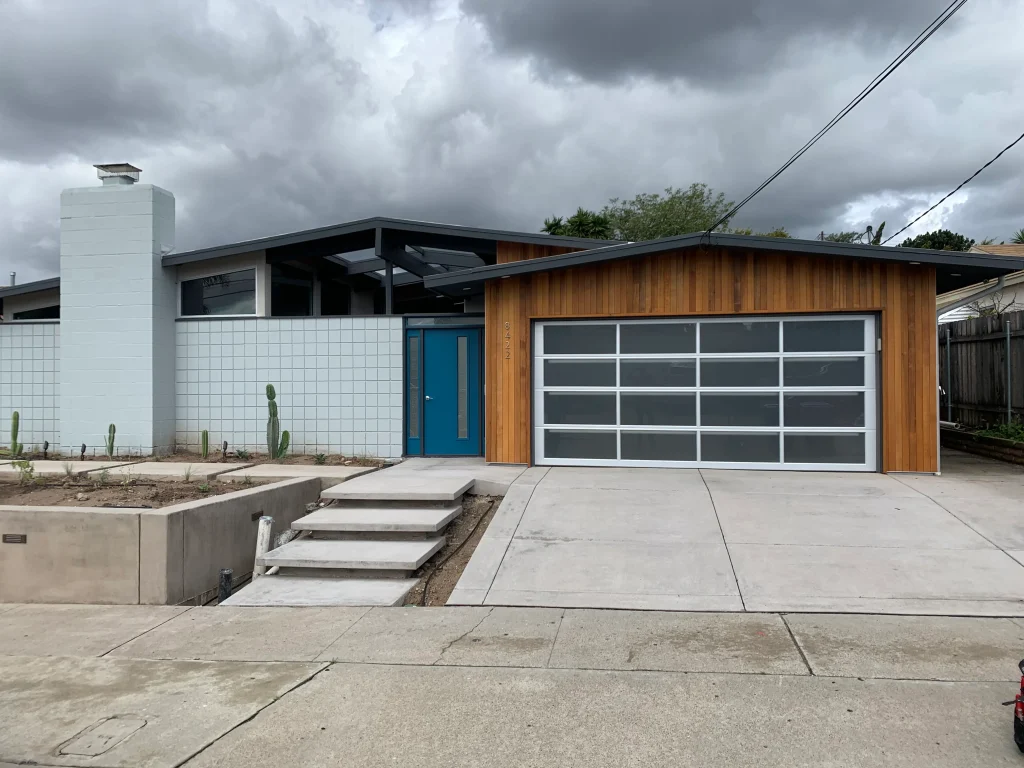
The best garage door for your home is the one that fits the architecture, handles the local climate, and matches how you actually use the space. A modern aluminum door with clean lines works well on a contemporary coastal build. A composite carriage house door suits a craftsman or traditional home in an inland neighborhood. A steel sectional with insulation makes practical sense for a suburban home with an attached garage used daily.
Before making a final decision, look at your home from the street and consider what the door will look like from the outside, not just how it functions on the inside. The door is one of the first things people see, and in a city like San Diego where property values are tied closely to presentation, that first impression matters.
The Right Choice Starts With the Right Information
There is no single best garage door for every home. The right choice depends on your style preferences, your budget, how you use your garage, and the specific conditions of where you live. Taking the time to understand what each type offers before making a decision saves you from costly changes down the road.
If you are in the San Diego area and want help choosing the right door for your home, Bradbury Garage Doors can walk you through your options in person. Our team works with homeowners across San Diego to find doors that fit the home, the climate, and the budget. Contact us today, or give us a call to get started.
Frequently Asked Questions
Are wood garage doors a good choice in San Diego?
Wood doors can work well in San Diego but require more maintenance than other materials due to humidity, salt air near the coast, and UV exposure. Regular sealing and repainting are necessary to keep them looking good and functioning properly.
What is the difference between a carriage house door and a traditional sectional door?
Most carriage house doors today are actually sectional doors with a decorative overlay designed to mimic the look of old swing-out barn doors. They operate the same way as a standard sectional door and are compatible with automatic openers.
How do I know what R-value I need for my garage door insulation?
For an attached garage used regularly, an R-value between 10 and 18 is a reasonable target. If the garage is detached and not used as a living space, a lower R-value or no insulation may be sufficient.
Can I add insulation to my existing garage door?
Yes, insulation kits are available for many door types. However, adding insulation to an older or worn door may not be the most cost-effective solution compared to replacing it with a door that includes built-in insulation.
What garage door material is best for homes near the San Diego coast?
Aluminum, fiberglass, and composite materials perform best in coastal environments because they resist rust and corrosion. Steel doors can work but require protective coatings and regular inspection to prevent salt air damage.
Do all garage door types work with automatic openers?
Most do, but there are exceptions. Tilt-up canopy doors and true side-hinged doors have limited compatibility with standard residential openers. Sectional doors offer the broadest compatibility with modern opener systems.
How long does a garage door installation typically take?
Most professional installations are completed in a few hours for a standard single or double door. More complex installations involving custom sizing or structural adjustments may take longer.
What should I look for when comparing garage door quotes?
Look at the material, insulation rating, warranty on both the door and the hardware, and what the installation includes. A lower upfront cost does not always mean better value if the door requires more maintenance or has a shorter lifespan.
Is a double garage door better than two single doors?
It depends on your garage layout and personal preference. A double door gives a wider, more open look and is easier to operate. Two single doors offer more flexibility if one side is used more frequently, and can be easier to insulate independently.