
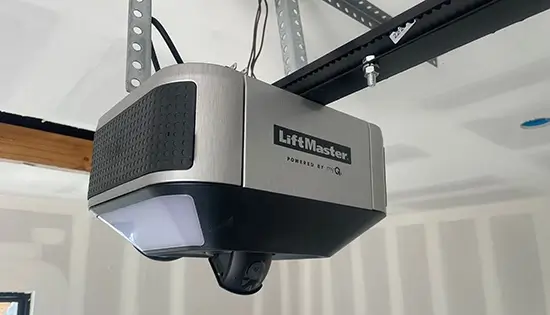
Summer in San Diego means longer days, warmer weather, and kids who are constantly on the move. The garage becomes a revolving door, literally. Bikes come out, sports gear goes in, and the garage door gets opened and closed more times in a single afternoon than it does on most weekdays combined.
With all that extra traffic, one question every parent should be asking is whether their LiftMaster garage door opener is actually safe for the season ahead.
A garage door is the largest moving object in most homes. When it is working properly, it is one of the most convenient things you own. When it is not, it can become a serious hazard, especially with children around. This guide covers the key safety risks that show up during summer, what to look for before the season gets busy, and when to call a professional before something goes wrong.
Your Kids Are Using the Garage More Than You Realize
During the school year, the garage door typically gets used a handful of times each day. In summer, that number can double or triple. Kids running in and out for bikes, skateboards, sports equipment, and backyard access means the opener and the door itself are under significantly more strain.
What increased use does to your system:
- The motor works harder and heats up more frequently in already warm summer temperatures.
- The springs cycle more often, accelerating wear on components that are already under constant tension.
- The tracks and rollers accumulate more dust and debris from frequent door movement.
What to watch for:
- The door is taking longer than usual to open or close fully.
- Unusual sounds that were not there before summer started.
- The opener light stays on, or the unit runs longer than it should after each cycle.
If your system was already due for a checkup, heavy summer use is exactly the kind of stress that pushes a borderline problem into a real one. Scheduling a garage door repair inspection before the busy season starts is one of the easiest ways to stay ahead of it.
If you are noticing any of these signs already, our guide on Why Is My LiftMaster Garage Door Opener Acting Up? can help you identify exactly what is behind the issue.
The Auto-Reverse Feature May Not Be Working Correctly
The auto-reverse is one of the most important safety features on any garage door opener. It is designed to detect an obstruction, whether a person, a pet, or an object, and immediately reverse the door before it causes harm.
For families with children, this feature is not optional. It is essential.
Signs the auto-reverse may not be functioning properly:
- The door continues to close even when an object is placed in its path.
- The door closes with noticeably more force than it used to.
- The reversal response feels slower or less sensitive than before.
A simple test you can do at home:
- Place a flat piece of wood, about two inches thick, flat on the ground in the center of the door’s path.
- Close the door. When it contacts the wood, it should reverse immediately.
- If it does not reverse or if it takes more than one to two seconds, the force setting needs to be adjusted by a technician.
Do not adjust the force settings yourself. Incorrect adjustments can make the door either too sensitive, causing it to reverse unnecessarily, or not sensitive enough, making it dangerous. This is a calibration that belongs in the hands of a certified technician.
Photo-Eye Sensors Can Be Knocked Out of Alignment
The photo-eye sensors sit low on both sides of the garage door frame, right at the height where a small child or a pet might pass through without an adult noticing. These sensors create an invisible beam that stops the door from closing if anything breaks it.
In summer, these sensors are more likely to get bumped, covered in dust, or shifted out of alignment from the increased foot and equipment traffic in and out of the garage. Including sensor checks as part of your regular garage door maintenance routine can prevent these small issues from becoming safety concerns.
How to tell if your sensors are off:
- The door refuses to close and the opener light blinks repeatedly.
- One sensor light is blinking amber while the other is solid green.
- The door closes fine sometimes but randomly reverses at other times.
What you can do:
- Clear any objects that may have been pushed near the sensor brackets.
- Wipe the sensor lenses with a clean, dry cloth to remove dust or smudges.
- Check that both sensors face each other directly with no visible tilt or obstruction.
If the sensors are physically damaged or the wiring has been pulled loose, do not try to splice or tape the wires back together. Sensor wiring repairs need to be done correctly to ensure the safety system functions as intended.
Keeping your sensors in working order is a core part of seasonal garage door safety. For a full look at what should be checked before and during summer, see our Summer Maintenance Guide for Your LiftMaster Garage Door.
Wall Button Placement Can Be a Hidden Risk
Many homeowners install their garage door wall button at a height that is convenient for adults but easily reachable by curious children. A child pressing the wall button without an adult present is a scenario that leads to accidents.
What the safety standards say:
According to automatic garage door safety standards, wall-mounted controls should be placed at least five feet from the ground and positioned where an adult can always see the door while operating it. This is not just a recommendation. It is a safety requirement that protects children from being caught under a closing door.
What to check in your garage:
- Is your wall button mounted high enough that a young child cannot reach it?
- Can you see the full path of the door from where the button is located?
- Is the button working properly with no sticking, delays, or erratic behavior?
If your wall button is positioned too low or is not functioning reliably, have a technician relocate or replace it before summer gets into full swing.
A technician visit is also the right time to address any other concerns, and our guide on When to Call a Technician for Your LiftMaster Garage Door Opener walks through every situation where a professional should always be your first call.
The Garage Door Lock Feature Can Accidentally Be Activated
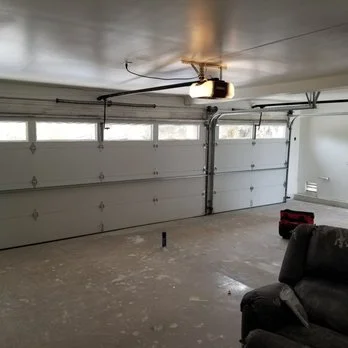
LiftMaster openers include a lock or vacation mode feature that disables all remote controls. This is useful when you are away from home, but if it gets activated accidentally, it can leave a child stranded outside or create a confusing situation where the door simply will not respond.
Signs vacation mode may have been accidentally turned on:
- The remote and keypad do not work, but the wall button still functions.
- The opener light blinks twice when you press the remote.
- No one has intentionally activated lock mode, but the remotes suddenly stopped working.
What to do:
- Press and hold the lock button on your wall control panel for two seconds to toggle the mode off.
- If the issue persists or the buttons on the wall panel are not responding correctly, a technician should inspect the control board.
This is a simple repair in most cases, but it is worth knowing about before a child ends up locked out of the house during a busy summer afternoon.
Heat Affects Your Opener More Than You Think
San Diego summers are warm, and garages tend to hold heat longer than the rest of the house. Temperatures inside an enclosed garage can climb significantly higher than the outdoor temperature, especially in the afternoon.
That heat affects your LiftMaster garage door opener in several ways.
How summer heat impacts opener performance:
- The motor runs hotter with each cycle, increasing the risk of thermal overload.
- Plastic components inside the opener, including gears and bushings, soften and wear faster in sustained heat.
- The metal tracks expand slightly, which can cause the door to bind or move less smoothly.
What you can check:
- Feel the motor housing after a few door cycles. It should be warm but not hot to the touch.
- Listen for any new grinding or dragging sounds that appear in the hottest part of the day.
- Make sure the area around the opener has reasonable airflow and is not boxed in by storage.
If the motor is shutting off mid-cycle or struggling noticeably in the afternoon heat, that is a sign it needs professional attention before it fails entirely during a busy stretch.
Emergency Release Cords Need to Be Accessible but Not a Toy
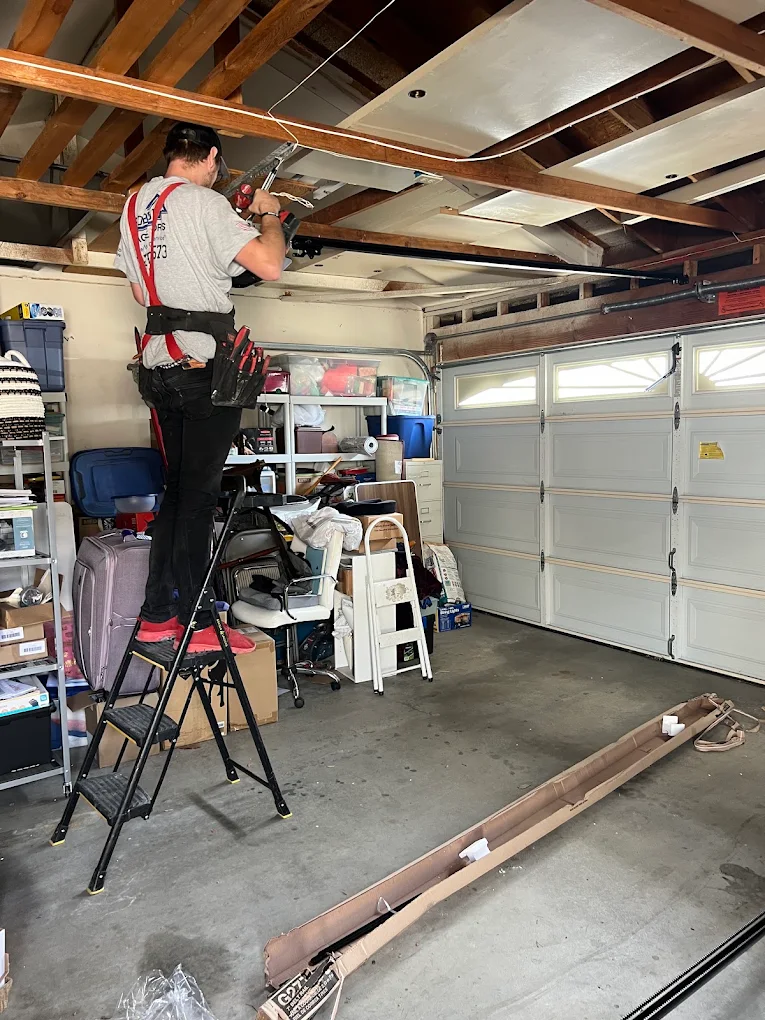
The red emergency release cord hanging from the trolley in your garage is there for one reason: to allow you to manually operate the door if the opener fails. It is a critical safety feature.
It is also something children find interesting to pull.
Why this matters for summer safety:
- A child pulling the emergency release puts the door into manual mode, which means it can fall freely if not properly supported.
- A door in manual mode that is left partially open can drop unexpectedly, especially if the springs are worn.
- Reattaching the trolley after an accidental release is simple, but not knowing it happened can lead to confusion and unsafe door operation.
What to do:
- Talk to your children about what the red cord is for and why it should never be pulled.
- If the cord is too low and easily grabbed, a technician can adjust its position or add a cord shortener.
- Periodically check that the trolley is properly engaged after any period of heavy garage use.
A quick conversation with your kids and a visual check of the emergency release setup can prevent a situation that turns a minor curiosity into a dangerous one.
An Older Opener May Lack the Safety Features Kids Need Around It
If your LiftMaster garage door opener was installed more than a decade ago, it may be missing some of the safety features that are now standard on newer models. Older openers were not always required to include the same level of auto-reverse sensitivity or sensor technology that today’s units have built in.
Features to look for on a current-model opener:
- Rolling code technology that changes the access code with every use, preventing unauthorized entry.
- Battery backup so the door continues to operate safely during a power outage.
- MyQ connectivity lets you monitor and control the door remotely from your phone.
What to consider:
- If your opener is 10 or more years old and you have children at home, it is worth having a technician evaluate whether the current unit meets modern safety standards.
- Upgrading to a newer LiftMaster model is not just about convenience. For families, it is about having a system you can actually trust.
According to Angi, choosing the right garage door opener, safety features, and smart controls are among the top considerations for homeowners with active households and children.
A Safe Summer Starts With a Safe Garage Door
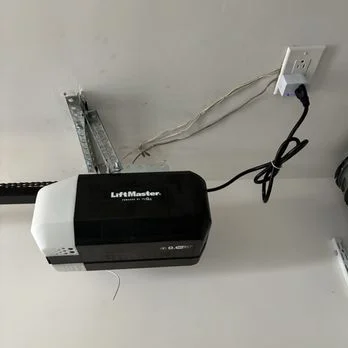
Your garage door is used more in summer than almost any other time of year, and with kids in and out all day, the margin for error shrinks. A door that was working well enough in April may not be reliable enough for the demands of July and August in San Diego.
The best thing you can do before summer gets fully underway is have your LiftMaster garage door opener professionally inspected. A technician can test the auto-reverse, check sensor alignment, evaluate the motor and springs, and confirm that every safety feature is working the way it should.
If your LiftMaster garage door opener is due for a safety check and you are in the San Diego, CA area, Bradbury Garage Doors is here to help. Our technicians know exactly what to look for and can get your system summer-ready before the busy season arrives. Contact us today, or give us a call to schedule your inspection.
Frequently Asked Questions
How do I test if my auto-reverse is working correctly?
Place a flat piece of wood about two inches thick on the ground in the door's path and close the door. It should reverse the moment it contacts the wood. If it does not reverse immediately, call a technician to adjust the force settings.
Can my child accidentally lock everyone out using the wall button?
Yes. If the lock or vacation mode button is pressed on the wall panel, all remotes will stop working. Press and hold the lock button for two seconds to deactivate it. If the wall panel is malfunctioning, have a technician inspect it.
Why does my garage door opener struggle more in summer than in other seasons?
Heat increases the operating temperature of the motor and causes metal components to expand slightly. Both factors put more strain on the system during summer, especially in warm climates like San Diego.
What should I do if a child gets their hand or foot caught in the garage door?
Press the wall button or remote immediately to reverse the door. If the door does not reverse, use the emergency release cord to manually lift it. Seek medical attention right away and call a technician to inspect the safety system before using the door again.
How high should a wall-mounted garage door button be placed?
Safety standards recommend at least five feet from the floor. It should also be positioned where the person operating it has a clear view of the entire door and its path.
Can extreme summer heat in San Diego permanently damage my LiftMaster garage door opener?
Sustained high heat can shorten the lifespan of the motor, plastic gears, and electronic components. If your garage regularly reaches extreme temperatures, ask a technician about ventilation options and whether your current model is rated for high-heat environments.
What does it mean when the opener light blinks multiple times after I try to close the door?
Multiple blinks typically indicate a sensor fault. The photo-eye sensors may be misaligned, dirty, or obstructed. Check both lenses and make sure the indicator lights are solid before calling for service.
Is the emergency release cord dangerous to have in a garage with young children?
It can be if children pull it without understanding what it does. Educate your children about the cord and consider having a technician adjust its height or add a cord shortener to keep it out of easy reach.
How often should the auto-reverse feature be tested?
Testing the auto-reverse once a month is a good habit. It only takes a minute and gives you confidence that the most critical safety feature on your garage door is working correctly, especially during busy summer months.