
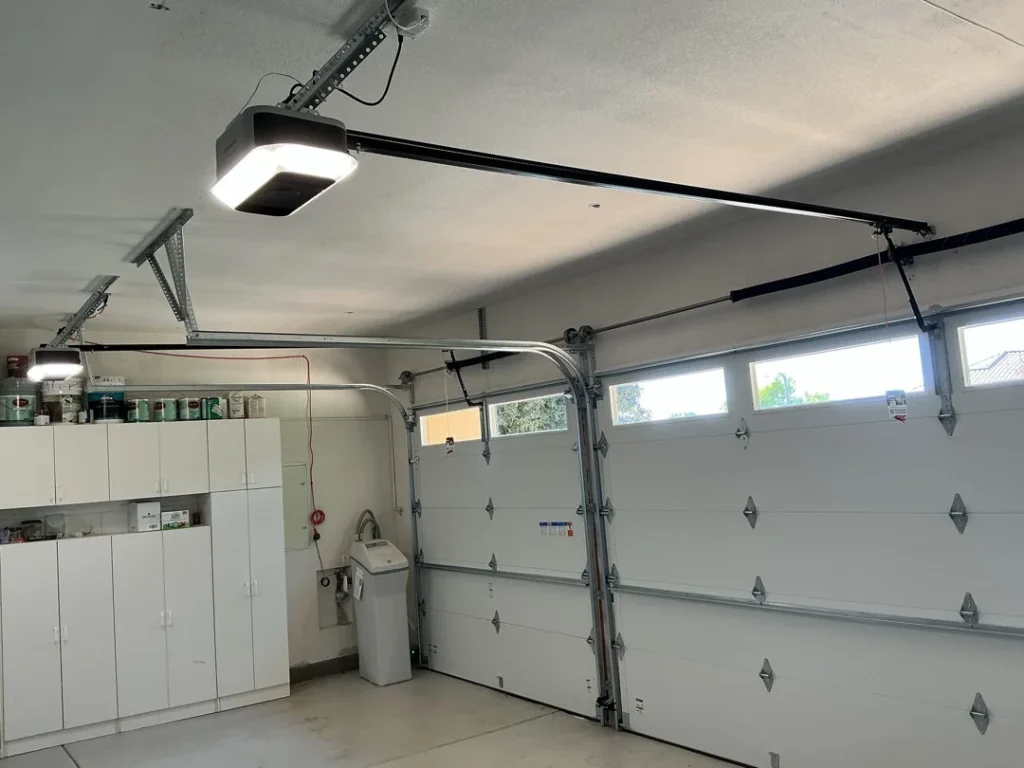
Summer in San Diego is one of the best times of year, until your garage door decides it is not. The heat, the increased daily use, and the constant in-and-out traffic from kids home on break all add up to more wear on your LiftMaster garage door than any other season.
The difference between a garage door that holds up all summer and one that breaks down at the worst possible moment often comes down to one thing: maintenance. Not the kind that takes a whole weekend, but the kind that a homeowner can walk through in an afternoon and a professional can complete in a single visit. And at the center of it all is your LiftMaster garage door opener, the mechanical heart that takes the brunt of every cycle, every temperature swing, and every unplanned use.
This guide covers everything San Diego homeowners should check, inspect, and address before and during summer to keep their LiftMaster garage door running safely and reliably all season long.
Start With a Full Visual Inspection of the Door
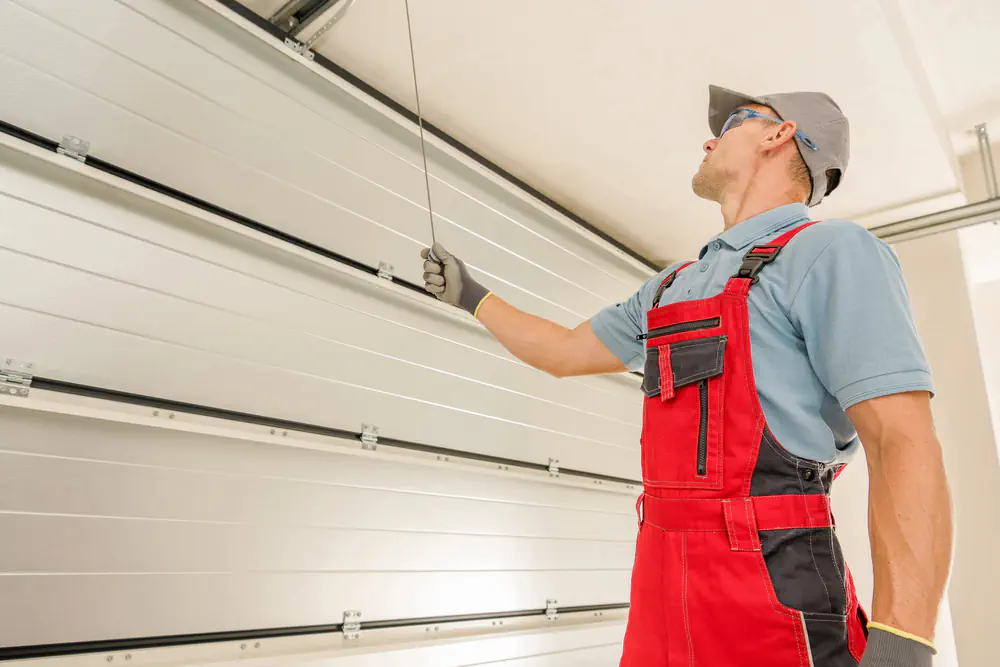
Before anything else, take a few minutes to look at your garage door from the outside and the inside. You are not looking for anything complicated. You are just checking whether things look the way they should, and whether anything has progressed to the point of needing garage door repair.
What to look for on the outside:
- Visible dents, cracks, or warped panels that may have gotten worse since winter.
- Gaps along the bottom seal where light or air is coming through.
- Paint that is peeling, fading, or bubbling can signal moisture damage underneath.
What to check on the inside:
- The condition of the horizontal and vertical tracks on both sides of the door.
- The mounting brackets hold the tracks in place. They should be tight with no visible wobble.
- The rollers are sitting inside the tracks. They should look round and intact, not flat or cracked.
If you notice anything that looks bent, cracked, or out of place, note it before moving on. A technician can assess whether it needs immediate attention or just monitoring.
If you are already seeing multiple issues during your inspection, our guide on Why Is My LiftMaster Garage Door Opener Acting Up? breaks down the most common causes San Diego homeowners run into, so you know exactly what to tell your technician.
Check the Weatherstripping and Bottom Seal
The weatherstripping around your garage door and the rubber seal along the bottom do more than keep out rain. In summer, they help keep the heat out of your garage, which directly affects how hard your opener motor has to work.
Signs the weatherstripping needs attention:
- You can see daylight around the sides or top of the door when it is fully closed.
- The bottom seal looks cracked, flattened, or has sections that are missing entirely.
- Hot air or dust is noticeably coming in around the edges of the door.
What this means for your system:
- A compromised bottom seal lets heat pour into the garage, raising the ambient temperature around the motor unit.
- Gaps around the door frame let in dust and debris that settle on the tracks and rollers, increasing friction.
- In San Diego summers, even a small gap can raise garage temperatures enough to accelerate wear on plastic components inside the opener.
Weatherstripping replacement is a straightforward job for a technician and makes a measurable difference in how your system performs throughout the season.
Inspect the Springs and Cables
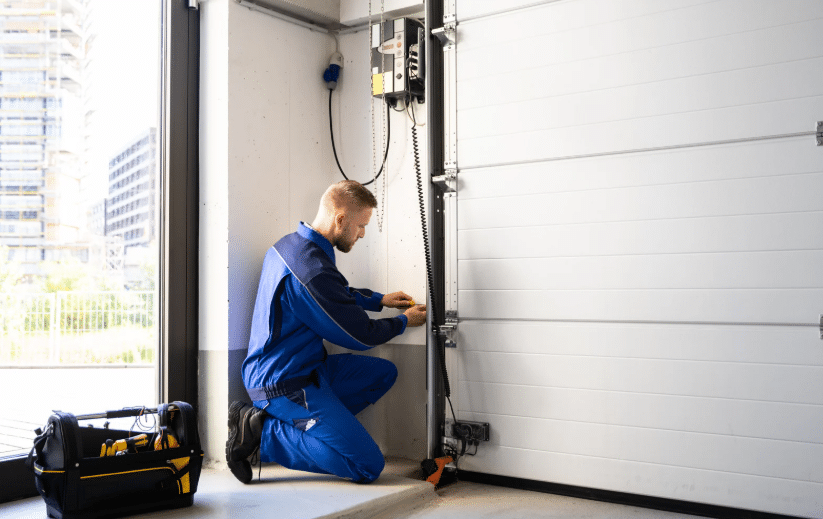
The springs and cables on your garage door are responsible for supporting the full weight of the door every time it moves. They are under significant tension at all times, and summer heat can accelerate the wear process.
What to look for:
- Torsion springs above the door for any visible gaps, rust, or sections that look stretched or uneven.
- Extension springs on the sides of the door for fraying or elongation.
- Cables on both sides of the door running from the bottom brackets up to the drum. They should be taut and free of fraying or kinking.
Important safety note:
- Do not touch, tap, or attempt to adjust the springs or cables yourself under any circumstances.
- These components are under extreme tension and can cause serious injury if they release unexpectedly.
- If you see any visible damage, step back and call a technician immediately.
Lubricate the Moving Parts
One of the most impactful things you can do for your LiftMaster garage door heading into summer is make sure all the moving parts are properly lubricated. Heat causes metal to expand and friction to increase, and dry components wear out much faster under those conditions.
Parts that need lubricant:
- The rollers, focusing on the bearings if they are steel rollers. Nylon rollers do not need lubricant.
- The hinges along the door panels.
- The torsion spring, a light coat along the coils helps reduce friction and noise.
- The tracks, though sparingly. Tracks should be clean rather than heavily lubricated.
What to use and what to avoid:
- Use a lithium-based or silicone-based spray lubricant specifically designed for garage doors.
- Avoid using WD-40 on springs and rollers. It is a solvent, not a lubricant, and it can dry out the components over time.
- Do not over-apply. A light coat is enough. Excess lubricant attracts dirt and debris.
If you are not sure which lubricant is right for your specific LiftMaster model, a technician can handle this as part of a routine summer service visit.
Test the Balance of Your Garage Door
A properly balanced garage door is one where the springs are doing the work, not the opener motor. When the balance is off, the motor compensates by working harder, which shortens its lifespan and increases the chance of a breakdown during peak summer use. This balance check is one of the most valuable steps in any garage door maintenance routine.
How to check the balance:
- Disconnect the opener by pulling the red emergency release cord.
- Manually lift the door to about waist height and let go.
- A balanced door will stay in place or move only slightly. A door that falls or shoots up quickly is out of balance.
What an unbalanced door means:
- The springs need adjustment, which must be done by a trained technician.
- Continuing to use an unbalanced door puts unnecessary strain on the opener motor, the drive system, and the hardware.
- In some cases, an unbalanced door is a sign that one spring is significantly more worn than the other and may be approaching failure.
This is one of the most important tests a homeowner can perform themselves, but the repair always belongs to a professional.
Clean and Align the Safety Sensors
With kids home for summer and the garage seeing more activity, the photo-eye sensors at the base of your door are more likely to get bumped, coated in dust, or nudged out of alignment by a passing bike or scooter.
How to clean and check the sensors:
- Wipe both sensor lenses with a soft, dry cloth to remove any buildup.
- Check that both sensors are pointed directly at each other at the same height.
- Confirm that the indicator lights are both solid, not blinking or off.
What misaligned sensors cause:
- The door refuses to close even when the path is completely clear.
- The opener light blinks several times in a row when you try to close the door.
- The door closes partway and then reverses without any visible obstruction.
If adjusting the sensors does not resolve the blinking or erratic behavior, the sensor wiring or the sensors themselves may need to be replaced. A technician can diagnose and repair that quickly.
For more on how sensor problems connect to broader opener issues during summer, our guide on Is Your LiftMaster Garage Door Opener Safe This Summer? covers the full range of safety concerns that come with the season.
Inspect the Opener Motor and Drive System
The opener is the heart of the whole system, and summer puts more demand on it than any other time of year. A motor that runs well in mild weather may start to show its limits when the garage heats up, and door cycles increase.
What to check on the opener:
- Listen for any new grinding, humming, or straining sounds during operation.
- Watch the drive system, whether chain, belt, or screw, for any visible slack, fraying, or misalignment.
- Check the motor housing for any discoloration, warping, or signs of heat damage.
How heat affects the motor specifically:
- Garage temperatures in San Diego can climb well above 90 degrees on summer afternoons, especially in garages that face south or west.
- The motor generates its own heat during operation, and when the ambient temperature is already high, it has less room to cool between cycles.
- Repeated thermal stress shortens the motor’s lifespan and increases the risk of a mid-summer failure.
If the motor feels excessively hot to the touch after just a few cycles, or if the unit shuts off and needs time to reset before working again, schedule a professional inspection before the problem escalates.
Check the Tracks for Debris and Alignment
Tracks guide the door through its full range of motion. During summer, increased garage activity means more dust, leaves, and small debris find their way into the channels. Even a small buildup can cause the rollers to drag and the door to move unevenly.
How to clean and inspect the tracks:
- Wipe the inside of both tracks with a damp cloth to remove dirt and buildup.
- Look along the full length of each track for any visible bends, gaps at the mounting points, or sections that look out of plumb.
- Run the door through a full cycle and listen for any dragging or scraping as the rollers move through.
When track issues need a technician:
- A track that is visibly bent or pulled away from the wall cannot be safely used.
- Tracks that have shifted out of vertical alignment cause the door to bind and put stress on the entire system.
- A door that comes off the track, even partially, is a safety emergency that requires immediate professional attention.
Do not attempt to bend a track back into position yourself. Improper alignment can make the problem worse and create a binding point that damages the door panels or rollers.
Review Your Opener Settings Before Summer Gets Busy
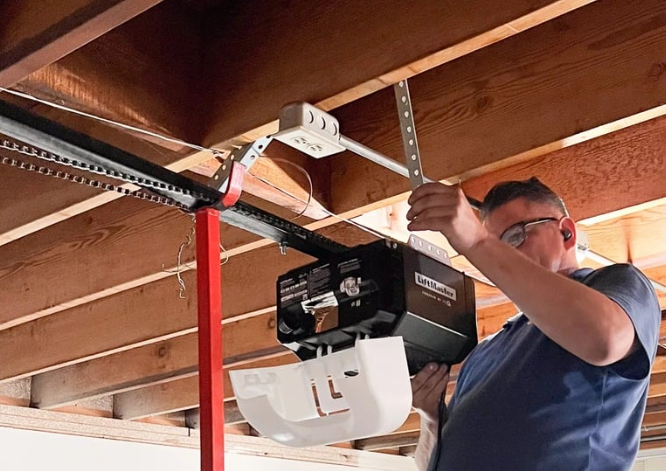
LiftMaster openers have adjustable settings for travel limits and closing force. These settings control how far the door travels and how much resistance it will push through before stopping or reversing. Over time, especially after temperature changes, these settings can drift.
Signs your settings may need adjustment:
- The door does not fully close or leaves a gap at the bottom.
- The door stops short of the fully open position.
- The auto-reverse triggers too easily or not easily enough.
Why summer is the right time to review these:
- Metal tracks and hardware expand slightly in heat, which can affect how smoothly the door travels through its full range.
- A door that worked perfectly in winter may need a minor adjustment to perform correctly when temperatures climb.
- Reviewing the settings before summer use peaks means fewer surprises when the door is being used most.
Travel limit and force adjustments should always be made by a technician. These settings are directly tied to the safety features of your opener, and incorrect values can compromise the auto-reverse function that protects your family.
ULSE’s overview of automatic garage door standards explains how travel limit and force settings connect to nationally recognized safety requirements and why adjustments should only be made by a qualified technician.
Schedule a Professional Summer Tune-Up
Everything on this list matters, but the most important step is also the most straightforward one: get a professional to look at the whole system before summer gets into full swing.
What a professional tune-up covers:
- Full inspection of springs, cables, rollers, tracks, and hardware.
- Lubrication of all moving components.
- Balance test and adjustment if needed.
- Safety sensor alignment and auto-reverse calibration.
- Opener motor and drive system inspection.
Why timing matters in San Diego:
- Summer demand for garage door service in San Diego increases once school lets out and families are home more often.
- Scheduling a tune-up in late spring or early summer means you get ahead of the rush and avoid a wait when something breaks at the worst time.
- A technician who services your door before summer can also spot anything that is on the edge of failing and address it before it becomes an emergency.
The International Door Association’s professional garage door care and maintenance guidelines confirm that an annual tune-up by a certified technician is the most reliable way to keep a garage door system operating safely through heavy seasonal use.
If you want to understand the full picture of what causes opener problems before or during your maintenance visit, our guide on When to Call a Technician for Your LiftMaster Garage Door Opener is a useful reference for knowing what to prioritize.
Keep Your LiftMaster Running All Summer Long
A little attention before the season starts goes a long way. The homeowners who deal with the fewest summer garage door problems are not the ones who got lucky. They are the ones who made time for a quick inspection and a professional tune-up before the heat arrived and the door started getting used five times more than usual.
If your LiftMaster garage door is due for its summer checkup and you are in the San Diego, CA area, Bradbury Garage Doors is ready to help. Our technicians will go through every item on this list and make sure your system is in the best possible condition for the season ahead. Contact us today, or give us a call to book your summer maintenance visit.
Frequently Asked Questions
Can I lubricate my garage door components myself?
You can apply lubricant to hinges, rollers, and the torsion spring yourself using a lithium or silicone-based spray. Avoid using WD-40 as it breaks down over time and can dry out the components it is meant to protect.
What is the most common garage door problem in summer?
Overheating motors and worn springs are the most common summer issues. Both are directly tied to increased use and higher ambient temperatures, which are a daily reality in San Diego from June through September.
How do I know if my garage door is properly balanced?
Disconnect the opener using the red emergency release cord and lift the door manually to waist height. If it stays in place when you let go, the balance is good. If it drops or rises on its own, the springs need professional adjustment.
Why does my garage door make more noise in summer?
Heat causes metal components to expand, which increases friction. Dry or under-lubricated parts also become louder as temperatures rise. A professional lubrication service and inspection can usually resolve this quickly.
Is it safe to use my garage door if the bottom seal is torn?
Technically, the door will still operate, but a torn seal lets in heat, dust, and pests that affect the whole system. It should be replaced as part of your summer maintenance to protect the opener and keep the garage cooler.
How long does a professional garage door tune-up take?
Most tune-ups take between 45 minutes and 90 minutes, depending on the condition of the system. A technician will work through all the major components and flag anything that needs further attention.
Can summer heat cause my garage door tracks to warp?
Extreme heat can cause metal tracks to expand slightly, which sometimes leads to binding or uneven movement. This is more common in garages with poor ventilation. A technician can check track alignment and make adjustments as needed.
What happens if I skip annual maintenance on my LiftMaster garage door?
Skipping maintenance allows small issues like worn rollers, dry hinges, and minor spring fatigue to compound over time. What could have been a minor service call eventually becomes a more expensive repair or a full component replacement.
Should I be doing anything specific to my garage door before a San Diego heat wave?
Make sure the opener motor has adequate airflow around it and is not boxed in by storage. Check that the sensors are clean and aligned, listen for any new sounds during operation, and consider scheduling a technician visit if the system has not been serviced in the past year.