
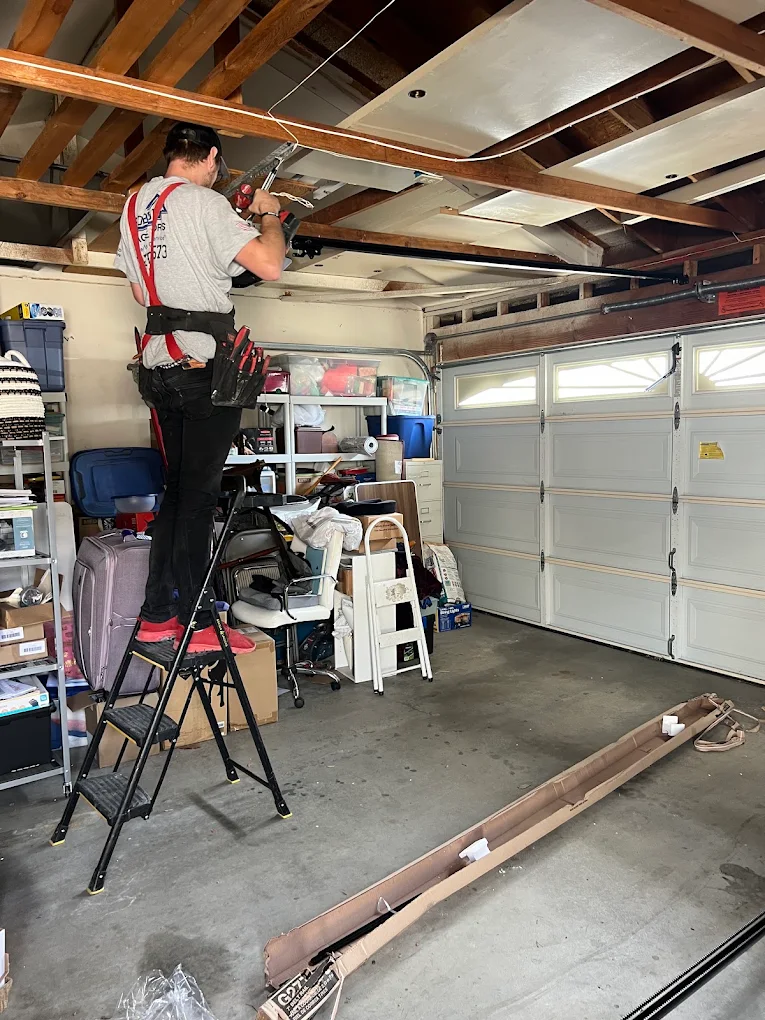
Your LiftMaster garage door opener works hard every single day. It opens when you leave for work, closes when the kids come home from school, and runs quietly in the background without much thought. But the moment it starts acting up, it becomes one of the most stressful things in the house.
Here is the truth: not every problem needs a professional. Some things you can check on your own. But there are clear moments when calling a certified technician is not just the smart move, it is the safe one.
This guide breaks down exactly when to pick up the phone, what warning signs to look for, and what you can do in the meantime to avoid making things worse. Whether you are in San Diego, CA, or anywhere in the surrounding area, knowing when to act can save you time, money, and a lot of frustration.
Your Opener Makes Grinding, Clicking, or Banging Noises
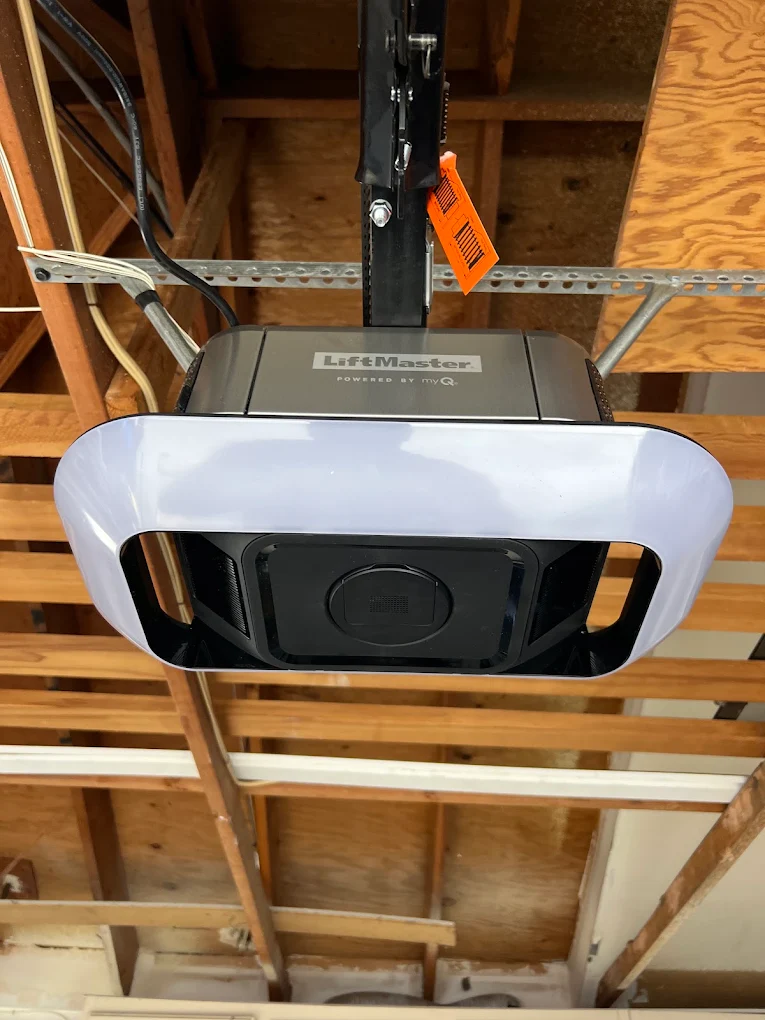
A well-maintained LiftMaster garage door opener should run smoothly and quietly. If you start hearing unusual sounds during operation, that is your first clue that something is off, and in many cases, a sign that garage door repair should not be put off.
What those sounds could mean:
- Grinding noise: worn-out gears or a failing motor that needs immediate attention.
- Clicking sounds: misaligned tracks or loose hardware rattling during movement.
- Banging or popping: a broken torsion spring, which is a serious safety hazard.
What you can check first:
- Listen carefully to where the sound is coming from, whether the motor unit or the door itself.
- Visually inspect the tracks for visible bends, gaps, or debris.
- Check if the rollers look cracked or worn.
If you hear a loud bang, stop operating the door immediately. A broken spring under tension can cause serious injury. This is not a repair to attempt on your own. Call a technician right away.
If you are not sure what is behind the noise, our guide on Why Is My LiftMaster Garage Door Opener Acting Up? breaks down the most common causes San Diego homeowners run into.
The Door Reverses Before Hitting the Floor
If your LiftMaster garage door starts to close but suddenly reverses before it fully shuts, the auto-reverse safety feature is being triggered. This system is designed to prevent the door from closing on a person, pet, or object.
But when it activates without an obvious reason, it signals that something needs attention.
Common causes:
- Dirty or misaligned photo-eye sensors are located near the base of the door.
- Incorrect limit settings on the opener itself.
- An obstruction in the door’s path that is not immediately visible.
What you can check:
- Wipe the sensor lenses with a soft, dry cloth.
- Make sure both sensors are aligned, and the indicator lights should be solid, not blinking.
- Clear any objects within the door’s closing path.
If cleaning and realigning the sensors does not resolve the issue, the problem likely involves the limit or force settings, which require a technician to adjust properly. Improper settings can cause the door to close with too much force, creating a safety risk for your family, and this is especially important to address before summer, when kids are in and out of the garage all day.
Find out what else to watch for in Is Your LiftMaster Garage Door Opener Safe This Summer?.
The Opener Runs, but the Door Does Not Move
You press the button, you hear the motor running, but the door just sits there. This is one of the more confusing problems homeowners encounter because the opener sounds like it is working fine.
What this usually means:
- The disconnect cord has been pulled, placing the door in manual mode.
- A broken torsion or extension spring is preventing the door from lifting.
- The drive mechanism, such as the chain, belt, or screw, has snapped or slipped.
What you can check:
- Look for the red emergency release cord hanging from the trolley and check if it has been pulled.
- Visually inspect the springs above the door for any visible separation or damage.
- If the disconnect was triggered accidentally, you can reattach it by pulling the cord toward the door.
If the spring is broken, do not attempt to operate the door manually either. Garage door springs carry significant tension and can cause serious injury if mishandled. This is a job for a trained professional.
There are several mechanical reasons a garage door opener motor runs without moving the door, from disconnected trolleys to failed drive systems, as covered in this garage door opener installation guide by Family Handyman.
The Remote or Wall Button Stops Responding
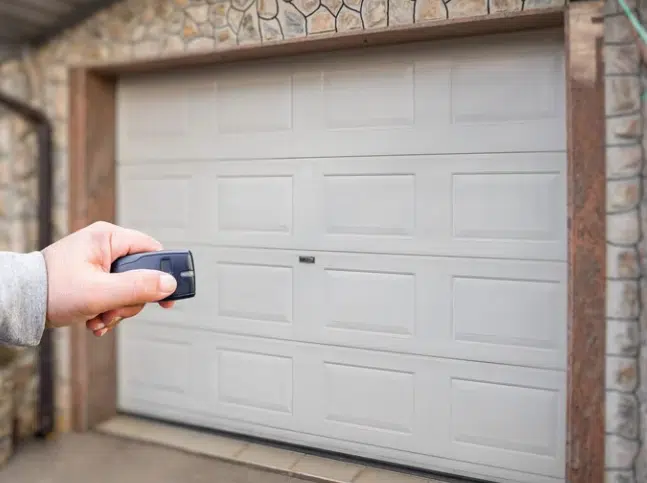
When neither your remote nor the wall-mounted button triggers any response from the opener, it is easy to assume the worst. But this problem can range from a simple battery replacement to a more serious electrical fault.
Things to check before calling:
- Replace the remote batteries and test again.
- Check if the opener is plugged in and the outlet is functioning.
- Check the circuit breaker to make sure no breaker has tripped.
When to call a technician:
- The wall button does not work even after confirming the unit has power.
- The logic board or wiring inside the opener appears damaged or burnt.
- The remote has been reprogrammed multiple times, but still fails to connect.
For a broader look at what may be going on, The Spruce covers the most common garage door problems homeowners encounter and what typically causes them.
The Door Opens or Closes on Its Own
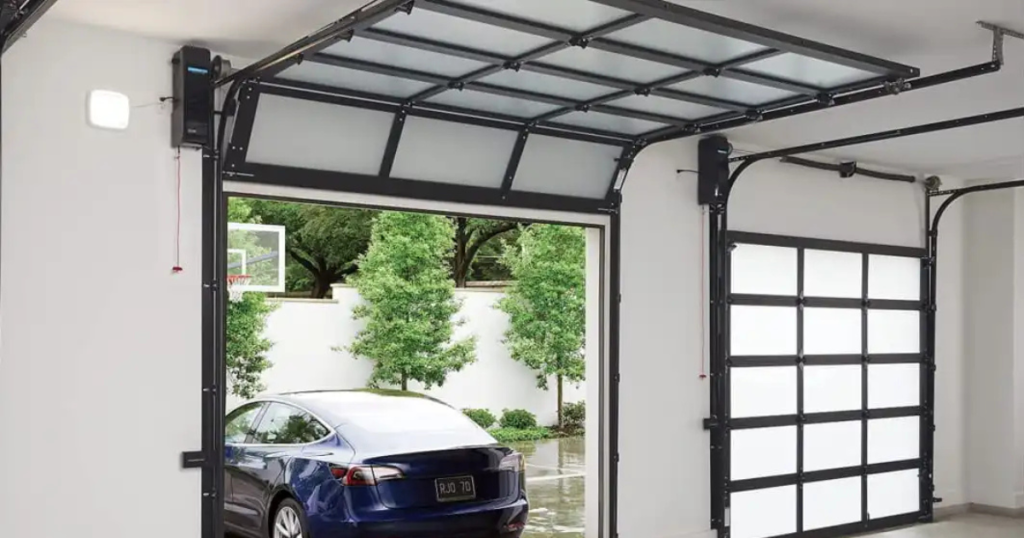
A garage door that moves without being triggered is not just inconvenient; it is a security and safety concern. This problem is more common than most homeowners realize and has several possible causes.
Possible reasons this happens:
- A neighbor’s remote is programmed to the same frequency as yours.
- A stuck or shorted wall button is sending a continuous signal.
- The logic board inside the opener has developed a fault.
Quick steps to take:
- Disconnect the wall button temporarily and see if the behavior stops.
- Reprogram your remote using a new code.
- If the door still moves randomly, call a technician to inspect the logic board and wiring.
An unpredictable garage door is a real security risk. If your home is in the San Diego area, do not wait on this one. A technician can reprogram or replace the logic board and restore proper operation quickly.
A door that binds on a bent track can derail completely. That is a safety emergency that requires a professional inspection, not a temporary adjustment.
The Opener Is Older Than 10 Years and Showing Its Age
Even the most reliable LiftMaster garage door openers have a lifespan. If your unit is pushing 10 to 15 years old and you are starting to notice more frequent issues, it may be time to have it evaluated by a professional.
Signs your opener may be nearing the end of its life:
- Repairs are becoming more frequent, and the costs are adding up.
- The unit lacks modern safety features like rolling code technology or battery backup.
- Response times have become slow or inconsistent even after servicing.
What a technician can do:
- Assess whether a repair will extend the unit’s life meaningfully or if replacement is more cost-effective.
- Recommend a LiftMaster model that fits your usage and budget.
- Handle the full installation and dispose of the old unit safely.
You Notice Physical Damage to the Door or Hardware
Dents, cracks, broken panels, or bent hardware might seem like cosmetic problems at first, but they often point to structural issues that affect how the entire system performs.
Types of physical damage that need a technician:
- A cracked or broken panel that affects the door’s structural integrity.
- Bent tracks that cause the door to bind or come off the rails.
- Snapped cables on either side of the door that help maintain balance and tension.
Tip for San Diego homeowners:
Heat and UV exposure accelerate wear on panels and seals. Routine garage door maintenance, including a quick inspection for cracks or warping a couple of times a year, can catch problems before they become costly repairs.
Keeping up with seasonal care is one of the best ways to avoid unexpected breakdowns. Our Summer Maintenance Guide for Your LiftMaster Garage Door covers what to check each season to keep things running properly.
Your LiftMaster Deserves More Than a Quick Guess
Knowing when to call a technician is not just about convenience. It is about protecting your home, your family, and the investment you have made in your garage door system. Some issues look simple on the surface but carry real safety risks underneath. Attempting to handle spring tension, electrical components, or structural repairs without the right training and tools can lead to injuries and costlier damage down the road.
If your LiftMaster garage door opener is showing any of the signs listed above and you are in the San Diego, CA area, Bradbury Garage Doors is here to help. Our team of experienced technicians has the training and equipment to diagnose the problem correctly and get your door running safely again. Do not wait until a small issue becomes a big one. Contact us today, or give us a call to schedule your service.
Frequently Asked Questions
Is it safe to use my garage door if it is making unusual noises?
It depends on the noise. A grinding or banging sound, especially one that started suddenly, should prompt you to stop using the door and call a technician. Continuing to operate a damaged door can cause further damage.
Can I adjust the garage door opener settings myself?
Basic settings like remote programming can be done by the homeowner. However, force and travel limit adjustments on the opener should be handled by a technician since incorrect settings can compromise the door's safety features.
Why does my garage door open by itself at night?
This is often caused by a stuck wall button, a faulty logic board, or a remote on the same frequency as a neighbor's. Have a technician inspect the wiring and reprogram or replace the logic board as needed.
How much does it typically cost to have a LiftMaster opener repaired?
Repair costs vary depending on the component involved and the extent of the damage. A technician can give you an accurate quote after diagnosing the issue.
What should I do if my garage door spring breaks?
Stop using the door immediately. A broken spring can cause the door to fall or snap unexpectedly. Call a certified technician who has the proper tools to handle high-tension spring replacement safely.
How often should I have my LiftMaster garage door opener professionally inspected?
At a minimum, once a year is recommended. If your opener gets heavy daily use, such as in a household with multiple vehicles, a twice-yearly inspection can help catch issues before they become serious.
My photo-eye sensors are aligned, but the door still reverses. What is wrong?
If the sensors check out, the problem is likely with the down-force or travel limit settings on the opener. These control how much resistance the door allows before triggering a reversal and need to be adjusted by a technician.
Can extreme heat in San Diego affect my garage door opener?
Yes. High temperatures can affect the motor, cause metal components to expand, and degrade plastic parts faster. Homeowners in San Diego, CA, should have their openers checked seasonally, especially heading into summer.
What is the difference between a certified LiftMaster technician and a general handyman?
A certified LiftMaster technician has specific training on LiftMaster systems, access to genuine parts, and understands the safety standards required for proper installation and repair. A general handyman may lack that specialized knowledge.